Enhancing Natural Beauty: A Guide to Facial Fillers for Seniors
Discover the latest insights on facial fillers for seniors and how they can enhance your natural beauty. In this comprehensive guide, we explore different facial fillers tailored for mature skin. Learn about the benefits, considerations, and consultation tips to ensure an informed decision.
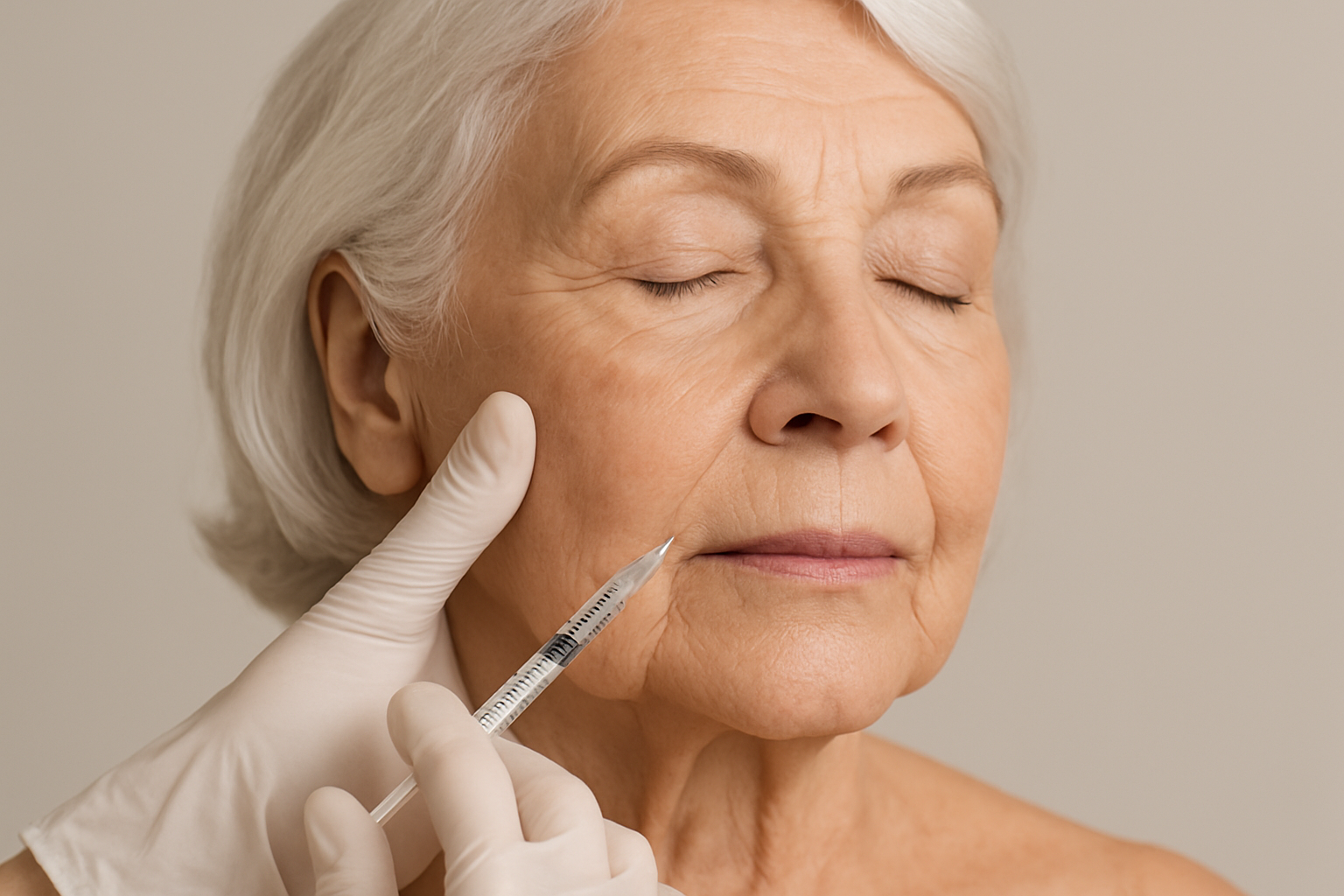
What Are Facial Fillers?
Facial fillers, also known as dermal fillers, are a popular cosmetic treatment used to reduce the appearance of wrinkles, fine lines, and other signs of aging. These fillers are typically injected into the skin to restore lost volume, smooth out wrinkles, and enhance facial contours. For seniors, facial fillers offer a way to achieve a more youthful appearance without undergoing invasive surgical procedures.
Types of Facial Fillers
There are various types of facial fillers available, each designed for specific purposes and different areas of the face. Understanding these can help seniors choose the most appropriate type for their needs.
- Hyaluronic Acid (HA) Fillers: These are the most commonly used fillers and are known for their ability to hydrate and volumize the skin. HA fillers include brands like Juvederm and Restylane.
- Calcium Hydroxylapatite: Known under the brand Radiesse, this filler is thicker and often used for deeper lines and enhancing cheek volume.
- Poly-L-lactic Acid: A biodegradable substance used in Sculptra injections, which stimulates collagen production over time.
- Polymethyl-methacrylate (PMMA): Used in Bellafill, these are semi-permanent fillers ideal for deep wrinkles and scars.
Benefits of Facial Fillers for Seniors
Facial fillers offer several benefits, especially for seniors looking to restore a more youthful appearance while avoiding surgery.
- Non-Invasive: Unlike facelifts, fillers involve minimal downtime, allowing seniors to resume normal activities quickly.
- Cost-effective: Fillers are generally less expensive than surgical options, making them an attractive option for seniors on a budget.
- Natural-Looking Results: When applied by a skilled practitioner, fillers can provide subtle and natural enhancements.
- Customized Treatments: Each filler treatment can be tailored to the individual's specific needs and desired outcomes.
Are Facial Fillers Safe for Seniors?
Facial fillers are considered safe for seniors when administered by qualified medical professionals. However, seniors should consult with a healthcare provider to ensure there are no contraindications due to medications or underlying health conditions. As the skin ages, it becomes thinner and more delicate, thus requiring a careful approach to treatment.
Precautions and Considerations
When considering facial fillers, seniors should understand the following precautions:
- Consultation: Have a detailed consultation to discuss expectations, medical history, and any current medications.
- Experienced Practitioners: Choose a board-certified dermatologist or plastic surgeon with experience in treating older adults.
- Gradual Approach: Opt for a gradual enhancement to allow for adjustments over time and avoid drastic changes.
What to Expect During and After the Procedure
Understanding what the procedure involves can ease any apprehension seniors might have:
During the Procedure
The procedure itself is relatively quick and typically involves the following steps:
- The healthcare provider cleanses the area to be treated.
- A topical anesthetic may be applied to minimize discomfort.
- The filler is injected with a fine needle or cannula, tailored to achieve the desired result.
Sessions typically last about 30 to 60 minutes, depending on the areas treated.
After the Procedure
Post-procedural care generally involves the following:
- Avoid strenuous activities for 24-48 hours.
- Slight redness or swelling may occur but should resolve within a few days.
- Results can be seen immediately, though optimal effect is often visible after swelling subsides.
- Follow all aftercare instructions from your healthcare provider.
Long-term Implications and Maintenance
Facial fillers are not permanent, and maintenance is key for sustaining results. The longevity of fillers varies:
- Hyaluronic Acid Fillers: Typically last 6-18 months.
- Calcium Hydroxylapatite: May last slightly longer, around 12-18 months.
- Poly-L-lactic Acid: Results appear gradually and can last up to two years.
Regular touch-ups are recommended to maintain the aesthetic outcome. An annual consultation with your practitioner is beneficial for assessing changes and planning future treatments.
Concluding Thoughts
Facial fillers can be a viable option for seniors looking to rejuvenate their appearance without undergoing surgery. With straightforward application, minimal recovery time, and customizable results, fillers offer an appealing choice. However, it is crucial to approach the decision with caution, ensuring thorough research and professional guidance to achieve the best results. Seniors should prioritize consultations with qualified professionals to explore personalized options and enjoy a youthful, refreshed appearance well into their golden years.
https://jcadonline.com/august-2018-revitalization-guide/