Essential Baby Supply Assistance Programs Every Parent Should Know About
Discover a variety of baby supply assistance programs that provide invaluable support to parents in need. Learn about initiatives offering essential baby items, from diapers to formula, aimed at easing financial burdens.
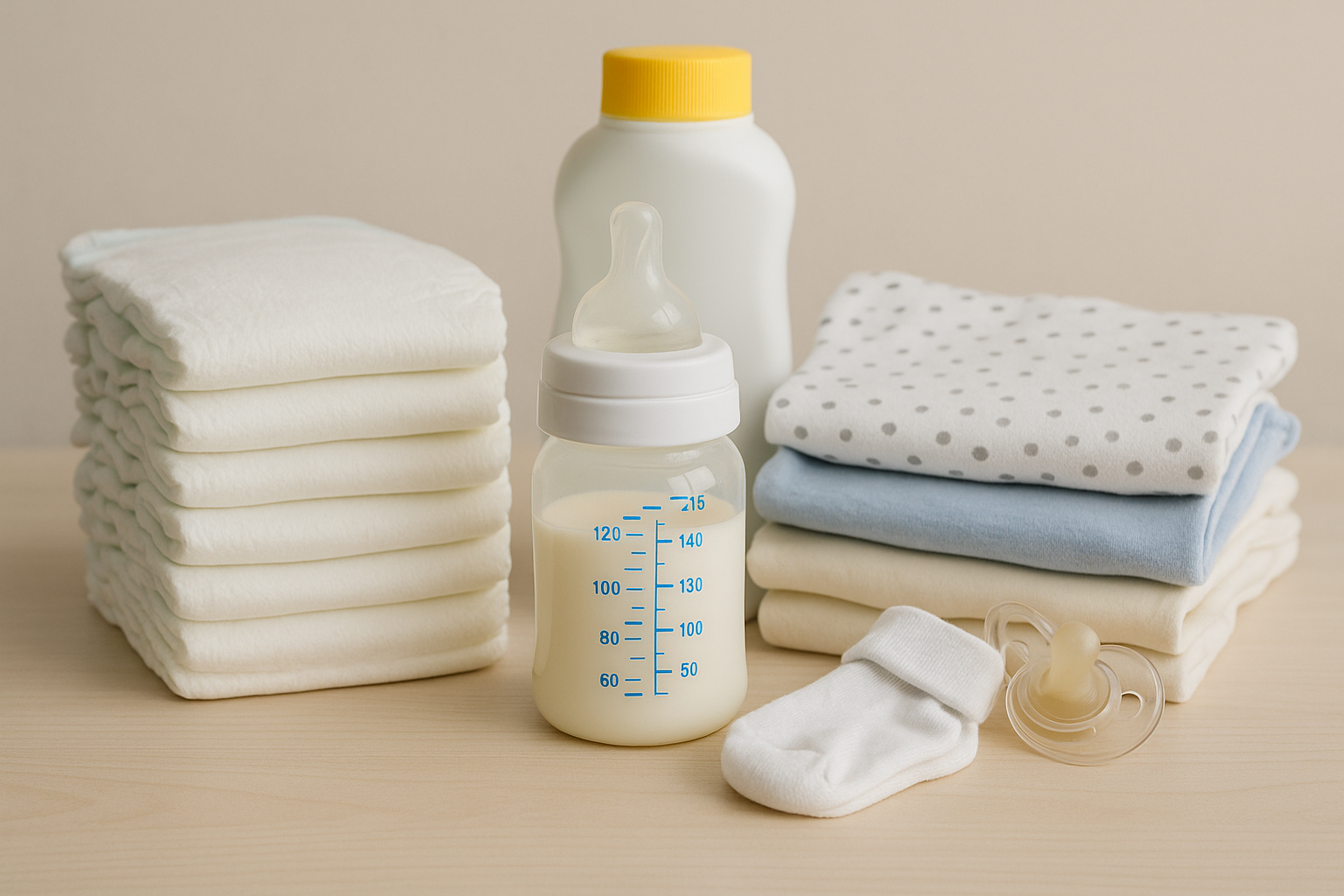
Understanding Baby Supply Assistance Programs
As new parents, managing the financial demands of childcare can often feel overwhelming. Baby supply assistance programs aim to relieve some of these burdens by providing essential supplies like diapers, formula, and clothing at little to no cost. In this article, we dive deep into the nature of these programs, who can benefit from them, and how to access the help you might need.
What Are Baby Supply Assistance Programs?
Baby supply assistance programs are initiatives often run by governments, non-profits, and community organizations to support families in need. They are designed to provide tangible resources for raising babies, addressing fundamental needs that families might struggle to afford.
These programs can include free or subsidized access to diapers, formula, baby food, clothing, and sometimes even furniture like cribs and strollers.
Who Benefits from These Programs?
Mainly, these programs cater to low-income families or those experiencing temporary financial hardships. However, they can sometimes extend services to any family in need of support, emphasizing the well-being of infants regardless of household income level.
Types of Assistance Available
Let's explore the various types of aid offered by baby supply assistance programs, ensuring families can focus more on bonding and less on financial constraints.
Diaper Banks
Diaper banks collect, store, and distribute diapers to families in need. They operate on the principle that diapers are a basic need, as essential as food or shelter. The National Diaper Bank Network estimates that one in three American families struggles with diaper need.
Formula and Baby Food Assistance
Through partnerships with brands and donors, certain programs might provide formula and baby food at no or reduced cost. These programs are crucial as formula can be a significant expense for new parents.
Clothing and Essentials
Many assistance programs also offer clothing swaps or free baby clothing services. These are often community-driven, with local organizations collecting gently used items to redistribute to families who need them.
How to Access Baby Supply Assistance Programs
Accessing these resources is generally straightforward but requires communication with local service providers and organizations.
Finding Local Programs
- Government Websites: Start by checking your local and state government websites. Many have dedicated sections for family and social services where they list available assistance programs.
- National Networks: Utilize networks like the National Diaper Bank Network (https://nationaldiaperbanknetwork.org) which can help you find a diaper bank near you.
- Community Centers: Local community centers often have bulletin boards or handouts offering information on nearby assistance options.
Application Process
While the application process varies by program, most require proof of income, identification, and documentation proving residency. Some programs may operate on an open basis, offering assistance without rigorous application procedures.
Why Are These Programs Important?
These programs hold significant importance for the welfare of children and the mental health of parents. They ensure that babies have access to basic necessities, which is crucial for healthy development. Furthermore, they offer peace of mind to parents who might already be feeling the strain of new parenthood.
According to the Annie E. Casey Foundation, economic insecurity can negatively affect child development and family dynamics. Assistance programs help mitigate these risks, providing a safety net that supports families beyond just financial measures.
Current Trends and Data
In 2026, the baby product industry continues evolving with a growing emphasis on sustainability and accessibility. Modern baby supply assistance programs are starting to incorporate eco-friendly options, such as cloth diapers or organic baby food, reflecting broader consumer trends.
Additionally, data from Pew Research Center indicates policymakers are becoming increasingly aware of the need for accessible family support services, with some discussion surrounding the expansion of such programs at a federal level.
Conclusion: Supporting Families with Compassion
Baby supply assistance programs offer vital resources that help alleviate the financial pressures of early parenthood. By understanding and utilizing these programs, families can ensure that their babies’ needs are met and that the challenges of parenthood are less daunting. If you're or someone you know is in need of support, research your local options today to start a smoother parenting journey.
References
https://www.fns.usda.gov/assistance-babies-young-chidren-women
https://www.hhs.gov/healthcare/maternal-health/newborn-supply-kit/support-for-family/index.html