Essential Checklist for Buying a Used Car: What Every Smart Buyer Should Know
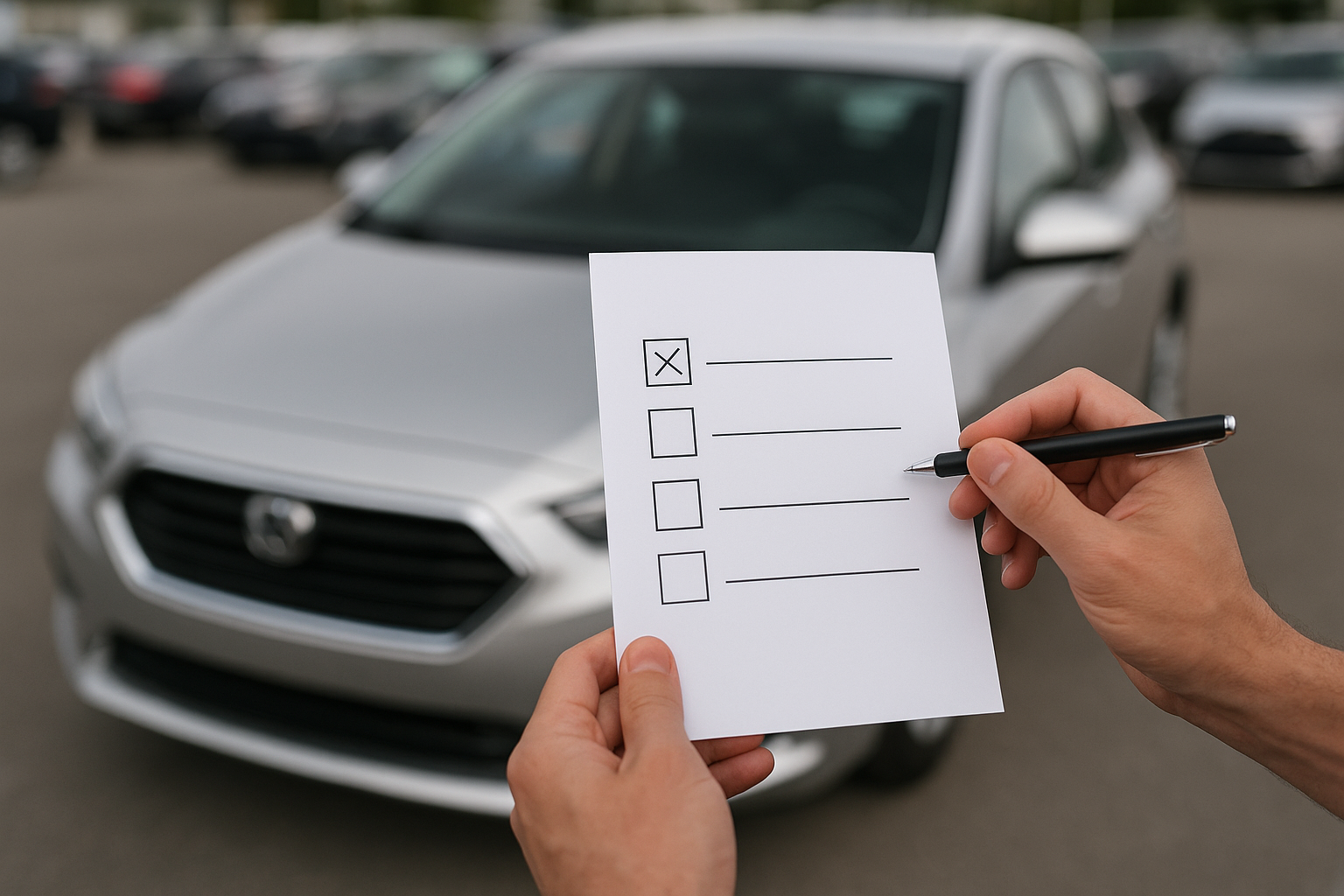
Before buying a used car, you need to conduct a thorough inspection to avoid future hassles. Check the condition of the engine, brakes, and tires, and verify the car's history for any accidents. Always take a test drive to assess performance.
Understanding the Importance of Thorough Inspections
Buying a used car can be a savvy financial decision, but it requires caution and due diligence. The automotive market in 2026 continues to thrive with a multitude of pre-owned options. However, each used vehicle comes with its own history and potential issues. Here’s a comprehensive guide to help you navigate the complexities of purchasing a used car, ensuring you make an informed decision.
Why a Detailed Inspection is Crucial
A used car may seem perfect at a glance, but underlying problems might surface later, leading to expensive repairs. According to a 2026 report by the National Automobile Dealers Association, nearly 25% of used vehicles on the market have some form of hidden issue. Conducting a detailed pre-purchase inspection can save you from unforeseen expenses and ensure safety.
Key Checks Before Buying a Used Car
1. Vehicle History Report
Begin by obtaining a detailed vehicle history report using services like Carfax or AutoCheck. These reports provide valuable information such as:
- Accident history
- Previous ownership records
- Service history and maintenance records
- Title issues, such as salvage or flood damage reports
For instance, if a vehicle has a history of flood damage, as noted by the Insurance Information Institute, it might have significant electrical issues that could impair performance.
2. Physical Examination
Conduct a thorough physical examination of the car. Focus on:
- Exterior condition: Look for dents, rust, and inconsistencies in paint, which might indicate past damage or poor repairs.
- Interior condition: Check for signs of wear and tear, unusual smells, or water damage that could hint at previous neglect or use as a rental.
- Under the hood: Inspect the engine for leaks, corrosion, or worn hoses and belts. Ensure that fluids such as oil and coolant are clean and at appropriate levels.
3. Test Drive
A test drive is indispensable. Evaluate the vehicle’s performance in different conditions. Pay attention to:
- Braking system: Ensure the brakes respond quickly without noises such as grinding or squealing.
- Transmission: Test the smoothness of gear shifts and observe for any delay in response.
- Steering and suspension: Ensure the steering is responsive and there are no unusual noises or excessive bounces from the suspension.
4. Professional Mechanic Evaluation
It’s often worthwhile to have the car inspected by a trusted mechanic. They can uncover hidden problems that might not be visible to an untrained eye. This might cost you around $100 to $200 but can save you from purchasing a vehicle with costly defects.
Financial and Legal Considerations
1. Understand the Market Value
Research the market value of the vehicle using tools like Kelley Blue Book or Edmunds. This can help you determine if the asking price is fair and give you leverage in negotiations.
2. Verify the VIN
The Vehicle Identification Number (VIN) should match the documents provided by the seller. Discrepancies may indicate possible legal issues or fraud. The VIN is a unique code that allows you to access the car’s history and ensure it hasn’t been stolen or otherwise illegally modified.
3. Review Warranty and Insurance
Check if the vehicle is still under manufacturer’s warranty or if any extended warranty is being offered. Additionally, get an insurance quote before purchasing to gauge ongoing costs and ensure it fits your budget.
Negotiating Wisely
1. Using Research as Leverage
Armed with comprehensive data from your research and inspections, you can negotiate with confidence. Highlight any flaws or necessary repairs to justify a lower price. This approach can often result in significant savings.
2. Being Prepared to Walk Away
A critical aspect of negotiation is the willingness to walk away if the deal doesn’t meet your standards or budget. With numerous options available, don’t settle for a car that doesn’t fit your needs or financial situation.
Conclusion: Making an Informed Decision
Buying a used car should not be a hasty decision. Investing time and effort into thorough inspections and research can protect your investment and ensure peace of mind. Whether you're motivated by budget constraints or sustainability considerations in 2026, following these guidelines will help you navigate the used car market with greater assurance.
Remember, a well-informed purchase today can prevent costly surprises tomorrow, ensuring that your vehicle meets both your expectations and your transportation needs effectively.