Essential Documents for Applying for a Disability Loan with Bad Credit
Navigating disability loans with bad credit can be challenging, but knowing what documents you need is key. Start with proof of disability and include your income statements to strengthen your application. Don’t forget to gather your credit report and identification materials.
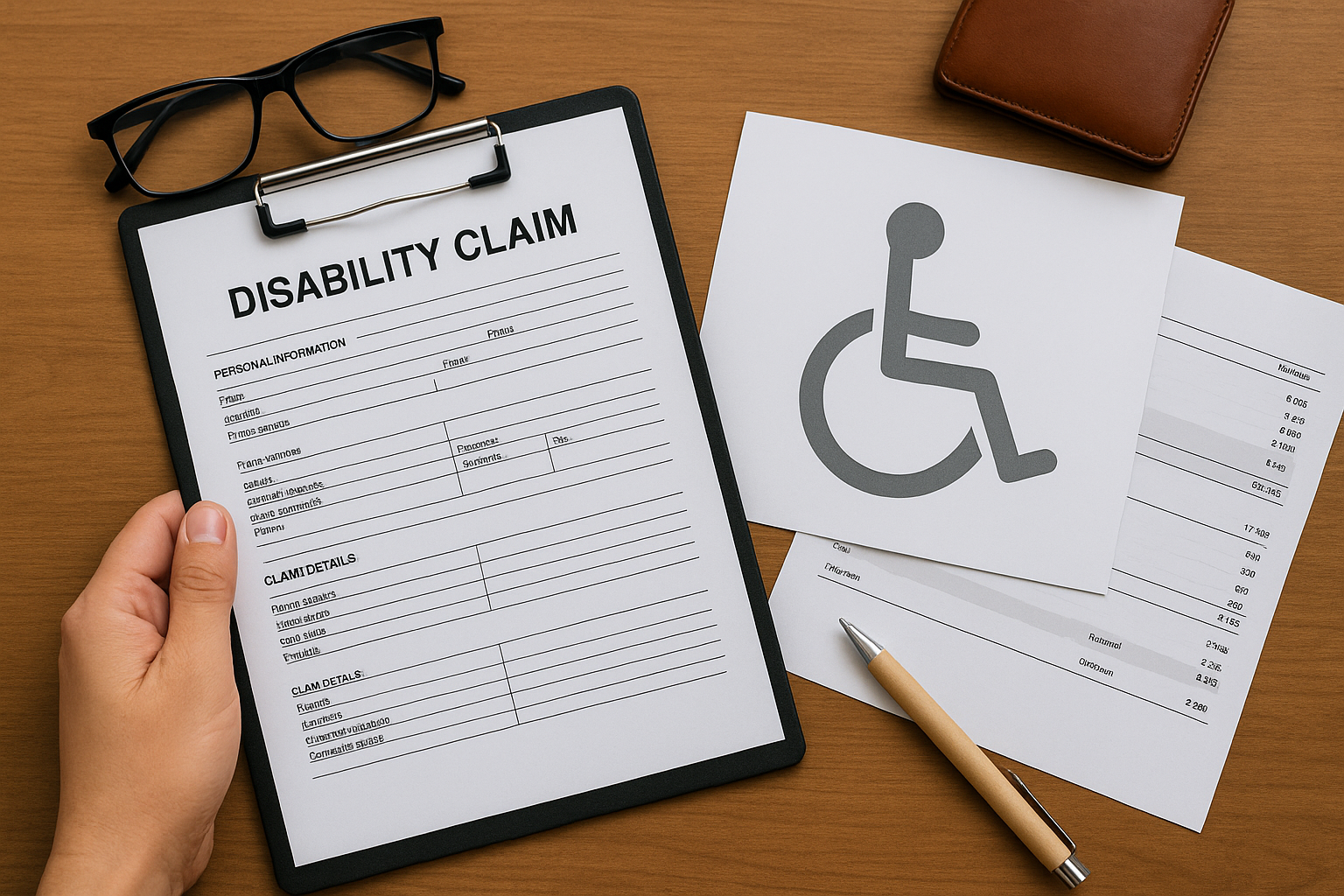
Understanding Disability Loans for Individuals with Bad Credit
When you are navigating the complexities of obtaining a disability loan, especially with poor credit, the journey can seem daunting. This piece explores the essential documents you'll need and provides tips on improving your chances of approval. With an increasing number of Americans facing financial hardship, disability loans have become a significant resource for many.
What is a Disability Loan?
Firstly, it's essential to understand what a disability loan is. A disability loan is a type of personal loan specifically designed to assist individuals with disabilities in covering their expenses. These loans can help cover medical bills, mobility equipment, or even daily living expenses. The crucial factor here is that these loans do not discriminate based on one's employment status as SSSDI (Social Security Disability Insurance) might. They focus more on need rather than income capacity.
Key Documents Needed for a Disability Loan Application
Gathering the correct documentation is crucial in ensuring your application process goes smoothly. Below is a list of essential documents usually needed:
- Proof of Identity: A driver's license, state-issued ID, or passport.
- Proof of Disability: Documentation from a qualified healthcare professional or disability benefits verification.
- Social Security Number: Required for identity verification and credit checks.
- Financial Statements: Bank statements from the last three months to show cash flow and savings.
- Income Documentation: Benefit award letters from Social Security or pay stubs, if employed.
Ensure all documents are current and correctly titled. Incomplete applications or outdated documentation might delay processing times or lead to application rejections.
Overcoming Bad Credit When Applying for a Loan
Bad credit can often deter potential lenders due to perceived risks. However, all hope is not lost. Here are strategies to improve your approval chances:
- Co-Signer: Consider having a co-signer with good credit, which can significantly improve loan terms and approval odds.
- Collateral: Offering collateral can reduce lender risk and enhance your application prospects.
- Small Personal Loans or Credit-Builder Loans: Successfully managing smaller debts can gradually enhance your credit score over time.
These options require careful deliberation. Make sure you are comfortable and fully understand the terms before agreeing to any financial decision.
Real-World Example: Successfully Obtaining a Disability Loan
Consider Linda, a client diagnosed with Multiple Sclerosis, who needed a disability loan to cover specialized medical equipment costs. Despite her credit score being around 580, Linda sought help. By presenting a well-organized document portfolio, including her formal SSDI awards and obtaining hospital endorsements for her equipment necessity, she was able to secure her loan with favorable repayment terms.
Linda's case exemplifies how preparation and leveraging professional endorsements can mitigate credit limitations.
Statistics on Disability Loans and Bad Credit
In 2026, an estimated 54 million Americans live with a disability, and a significant portion struggles with credit challenges. According to recent data from the U.S. Census Bureau, approximately 25% of this demographic falls below the federal poverty level, highlighting the crucial role of disability loans.
Further, a study by the Consumer Financial Protection Bureau in 2026 revealed that nearly 40% of those seeking disability loans face initial rejections based on credit scores alone. This statistic underscores the need for better awareness and preparation when applying for such loans.
Conclusion
Securing a disability loan with bad credit is complex, but not impossible. By understanding the required documentation, exploring alternative strategies, and learning from real-world examples, individuals can increase their chances of securing financial assistance. Remember that each financial decision should be made with careful consideration of the potential long-term impacts. Always seek professional guidance if you find yourself uncertain.
https://www.usa.gov/benefits-loans-grants
https://www.ssa.gov/benefits/disability/
https://www.consumerfinance.gov/consumer-tools/loans/
https://www.nerdwallet.com/article/loans/personal-loans/personal-loans-for-bad-credit
https://www.lendingtree.com/personal/bad-credit-loans/
https://www.experian.com/blogs/ask-experian/personal-loans-for-bad-credit/
https://www.creditkarma.com/personal-loans/i/personal-loans-for-bad-credit
https://www.upstart.com/personal-loans/bad-credit-loans
https://www.oneMainFinancial.com/personal-loans
https://www.opploans.com/personal-loans/bad-credit-loans/
https://www.lendingpoint.com/personal-loans
https://www.moneylion.com/loans/
https://www.badcreditloans.com/
https://www.incharge.org/debt-relief/personal-loans-for-people-on-disability/