Essential Documents for Loan Applications When Unemployed: What Lenders Need
Navigating a loan application while unemployed? Learn what documents lenders commonly request to assess your financial stability even if you're out of work. Understanding these requirements can help streamline your application process.
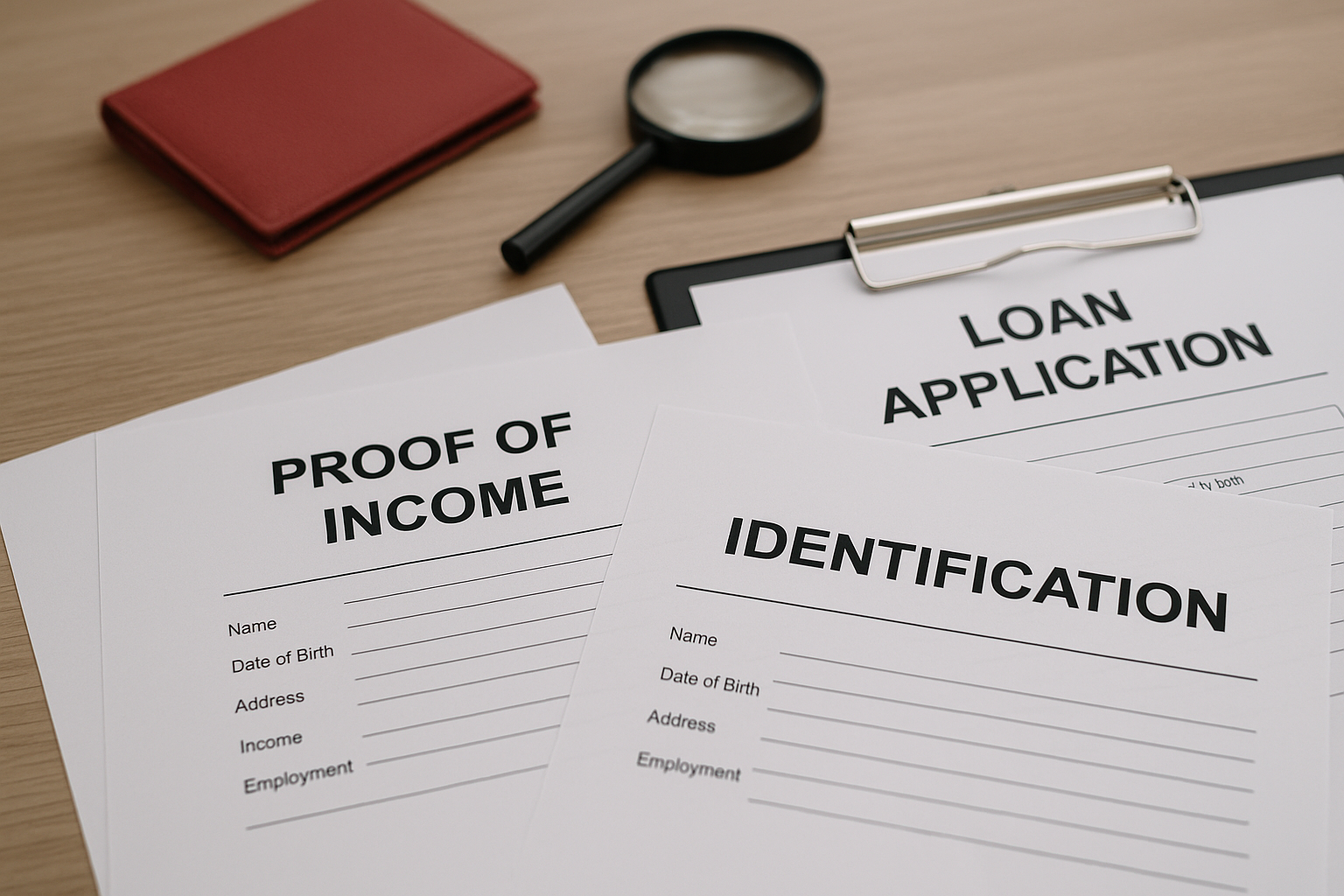
Understanding Loan Applications When Unemployed
Applying for a loan while unemployed can be intimidating, but it is not impossible. Many people find themselves in situations where they need financial assistance during periods of unemployment. While lenders typically prefer to see a steady income stream, they also understand that life circumstances change. The key is presenting a strong application with alternative forms of creditworthiness.
Key Questions About Loan Applications for the Unemployed
After seeing an ad about loan applications for those who are unemployed, you might have several questions. Here, we break down the most crucial aspects, providing a comprehensive guide to enhance your understanding and prepare your application effectively.
What Documents Do Lenders Ask For?
When you're unemployed, lenders look beyond the usual pay stubs. They seek other documents to assess your ability to repay the loan. Here's a list of what you might need:
- Bank Statements: These provide insight into your financial health, showing regular deposits, current balances, and spending habits.
- Credit Report: A comprehensive credit report illustrates your creditworthiness by detailing credit history, current debt, and payment timeliness.
- Tax Returns: Recent tax returns can help show a history of earnings and other income types, which lend to credibility.
- Collateral Documents: If you're applying for a secured loan, documents for assets such as property deeds, automobile titles, or investment portfolios may be required.
- Evidence of Alternative Income: This can include freelance work, rental income, or other forms of earnings that indicate your ability to make regular loan payments.
Exploring Alternative Income Sources
Even when traditional employment isn't a part of your current situation, you can demonstrate your ability to repay a loan through other income sources:
- Side Gigs and Freelance Work: Show consistent income from short-term contracts or freelance projects. Platforms like Upwork and Fiverr can provide documentation for your earnings.
- Rent from Properties: If you own property, rental income can substantiate your financial stability. Lease agreements or rent receipts can serve as proof.
- Investment Dividends: Earnings from investments, whether stock dividends or bond interests, are valid income forms that lenders recognize.
Challenges and Strategies for Approval
Securing a loan while unemployed involves addressing specific challenges and strategically overcoming them:
- Higher Interest Rates: Without steady employment, lenders may view you as a higher risk, often resulting in higher interest rates. A strong credit score can help negotiate these rates down.
- Collateral and Co-signers: Offering collateral or having a co-signer with a solid financial background can increase your chances of approval.
- Shorter Loan Terms: Lenders might prefer shorter terms to minimize risk. Being upfront about your repayment capabilities can negotiate more favorable terms.
Lender Options for the Unemployed
Thankfully, there are lenders known for being more flexible with unemployed applicants, such as credit unions and online lenders. According to a recent 2026 survey by LendingTree, alternative lenders have increased their approvals for unemployed individuals by 15% compared to five years ago. This trend reflects a growing understanding and adaptation of lending criteria to accommodate diverse applicant backgrounds.
Practical Tips for a Successful Loan Application
Successfully applying for a loan, even while unemployed, requires preparedness and strategy. Here are actionable steps to strengthen your application:
- Present a Strong Financial Story: Use documents to paint a picture of careful financial planning. Highlight any savings or emergency funds that showcase financial responsibility.
- Improve Your Credit Score: Pay down existing debt where possible, clear any inaccuracies on your credit report, and avoid new credit inquiries before applying.
- Prepare Thorough Explanations: Be ready to discuss your current employment situation confidently, along with strategies you're employing to secure future income.
Conclusion: Navigating the Path Ahead
While the task of securing a loan without a traditional job might seem daunting, it is achievable with the right approach and preparation. The landscape of lending is evolving, with more institutions recognizing the diverse ways people earn and manage money today. Staying informed and presenting a rock-solid financial picture are crucial steps toward obtaining the financial support you need.
For further reading on adapting personal finance strategies during periods of unemployment, check out resources from the Financial Times and The Balance, which provide insights tailored to the modern financial climate.