Essential Early Signs of Skin Cancer: What You Should Watch For
Stay informed about the early signs of skin cancer that might save your life. Understand the subtle indicators, including unusual moles or spots that change over time, as potential signals needing medical attention. Identifying skin cancer early increases the chances of effective treatment.
Understanding Skin Cancer: The Basics
Skin cancer is one of the most common types of cancer globally, and understanding its early signs can significantly increase the chances of successful treatment. According to the World Health Organization, over 18 million new cases of cancer were diagnosed worldwide in 2026, with skin cancer being a prominent contributor to this statistic.
Skin cancer develops primarily on skin exposed to the sun, but it can also occur on areas not ordinarily exposed. Recognizing the early signs is crucial for prevention and effective treatment.
What Are the Different Types of Skin Cancer?
There are several types of skin cancer, which primarily include:
- Basal Cell Carcinoma (BCC): This is the most common type of skin cancer. It often appears as a slightly transparent bump on the skin, although it can take other forms. BCC arises in the basal cells, which are found at the bottom part of the epidermis.
- Squamous Cell Carcinoma (SCC): Arising from the squamous cells in the epidermis, SCC can appear as a red, scaly patch or as a sore that may heal and then re-open.
- Melanoma: The most severe form of skin cancer, melanoma develops in melanocytes, the cells responsible for skin pigment. Melanomas resemble moles and can be black or brown but may also show other colors.
The Early Signs of Skin Cancer You Need to Know
1. Unusual Growths and Lumps
Unexplained bumps or lumps on the skin should be monitored closely. Basal Cell Carcinoma often presents as a pearly or waxy bump, especially if these are on sun-exposed areas such as the face or neck.
2. Changes in Moles
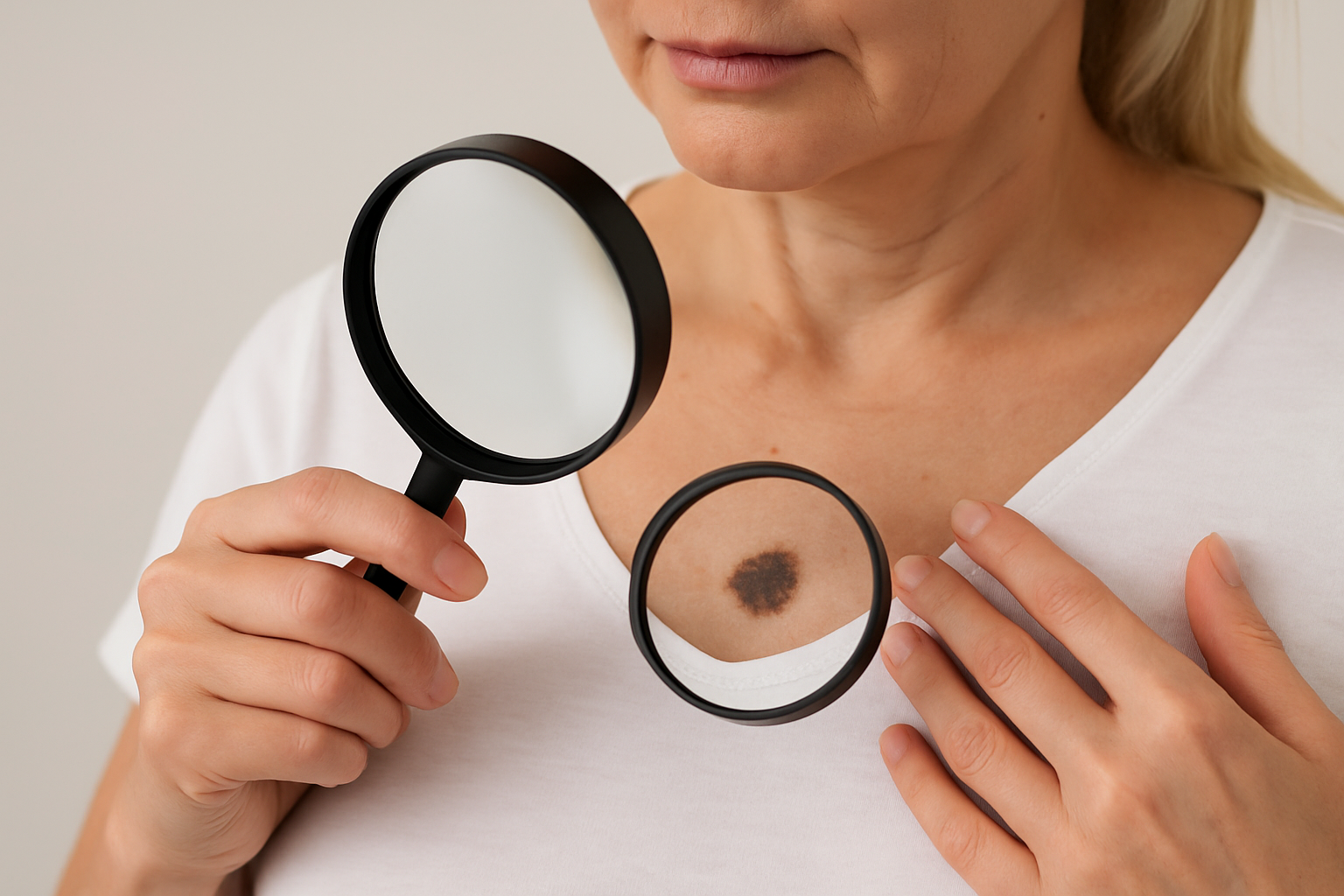
Changes in existing moles or the appearance of new moles that look different from others are critical signs. The ABCDE rule is a helpful guide for identifying melanoma:
- A - Asymmetry: One half doesn't mirror the other.
- B - Border: Irregular, scalloped, or poorly defined edges.
- C - Color: Varied colors, including shades of brown, black, and sometimes patches of pink, red, white, or blue.
- D - Diameter: Usually larger than 6mm, but can be smaller.
- E - Evolving: Changes in size, shape, or color or a new symptom like bleeding, itching, or crusting.
3. Non-Healing Sores
A sore or a wound that refuses to heal, particularly on areas exposed to the sun, can indicate skin cancer. This is a typical sign of Squamous Cell Carcinoma.
Recent Developments and Statistics in Skin Cancer
The American Cancer Society's 2026 report highlights that there are over 3.4 million instances of non-melanoma skin cancers treated annually in the United States alone. Public awareness campaigns have improved the rate of early detection, increasing survival rates significantly.
Advancements in genetic research have shown promising results in targeted therapies, offering new hope for those affected. Furthermore, recent clinical trials have progressed in developing vaccines and immunotherapies with a focus on melanoma.
How to Protect Yourself from Skin Cancer
Prevention is crucial. Here are essential tips to protect your skin:
- Use Sunscreen: Choose broad-spectrum, water-resistant sunscreen with SPF 30 or more. Apply generously and reapply every two hours, or more often if swimming or sweating.
- Seek Shade: The sun's UV rays are strongest between 10 a.m. and 4 p.m. Whenever possible, stay in the shade during these hours.
- Wear Protective Clothing: Long-sleeved shirts, trousers, and wide-brimmed hats can help shield your skin. Consider clothing specially designed with SPF protection.
- Avoid Tanning Beds: Tanning beds emit harmful UV radiation that can increase your risk of skin cancer.
What to Do if You Notice Symptoms
If you observe any of the early signs mentioned, it is crucial to consult a dermatologist immediately. Dermatologists use specialized tools to examine the skin, and if necessary, perform a biopsy to diagnose skin cancer accurately.
Early detection dramatically improves treatment success rates. Treatment options vary based on the cancer type, size, location, and stage but usually include surgical excision, cryotherapy, topical therapies, or advanced targeted treatments in certain cases.
Conclusion
Understanding the early signs of skin cancer and keeping abreast of recent research and prevention strategies can significantly reduce your risk. With advancements in medical research and a proactive approach to skin health, you can safeguard yourself effectively. For more information, consult reliable sources such as the American Cancer Society or the World Health Organization.