Essential Energy-Saving Checklist for Homeowners in 2026
Explore the top energysaving tips that every homeowner should follow in 2026. Our comprehensive checklist helps you navigate the latest in home efficiency, without making guarantees. Discover smart, incremental changes that contribute to longterm savings.
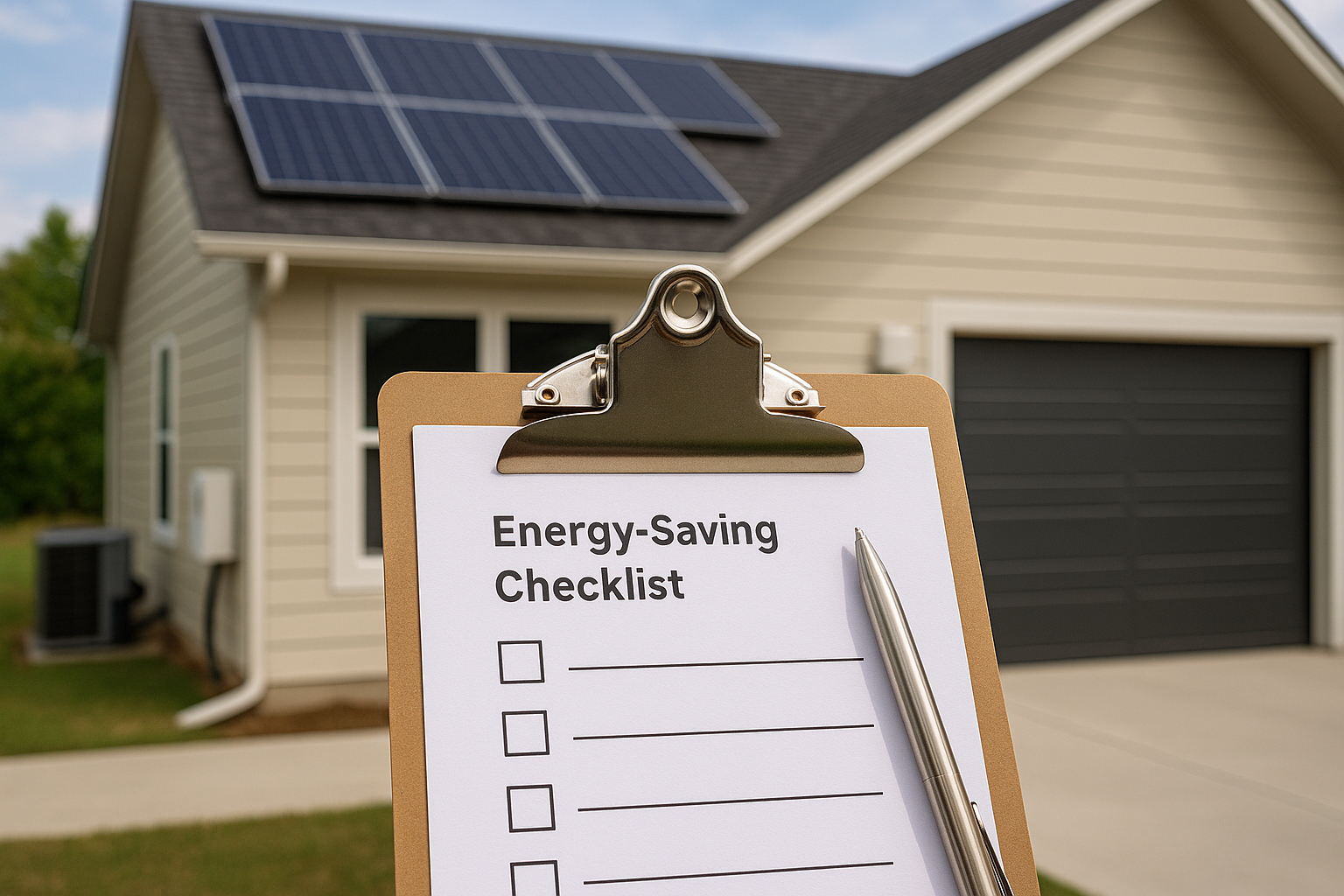
Understanding the Importance of Energy Saving for Homeowners in 2026
In the modern world, being energy conscious is not just a trend but a necessity. As we continue to experience the effects of climate change and see fluctuations in energy costs, homeowners are increasingly looking for ways to conserve energy. Energy saving isn't just about cutting costs — it's about contributing to a sustainable future.
In 2026, energy efficiency has become more accessible, with various technologies and strategies helping homeowners to reduce their carbon footprint and save money. The challenge often lies in knowing where to start. This checklist will guide you through effective energy-saving strategies that every homeowner should consider.
Key Energy Saving Measures for Homeowners in 2026
1. Optimize Your Heating and Cooling Systems
Heating and cooling systems are significant energy consumers. In 2026, advancements in smart thermostats and HVAC systems mean efficiency gains are within reach for most homeowners.
- Install a Smart Thermostat: These devices optimize your heating and cooling schedules by learning your habits and adjusting temperature settings automatically. According to recent studies, using a smart thermostat can reduce energy usage by 10-15% each year (Energy Department).
- Regular Maintenance: Ensure your systems are serviced annually. Proper maintenance can improve efficiency by up to 20%.
2. Upgrade to Energy-Efficient Appliances
Appliances can be energy hogs, especially older models. By investing in energy-efficient options, homeowners can see significant savings.
- Look for Energy Star Labels: When buying new appliances, choose models with the Energy Star label. These appliances use 10-50% less energy and water compared to standard models (Energy Star).
- Consider Induction Cooktops: These save approximately 15% more energy compared to conventional electric ranges and 50% more than gas stoves.
3. Improve Home Insulation
Proper insulation keeps homes warm in the winter and cool in the summer, reducing the need for heating and cooling.
- Seal Leaks: Insulate windows, doors, and any visible gaps. Sealing can save up to 20% on heating and cooling costs.
- Consider Advanced Insulation Materials: Materials such as aerogels and vacuum insulation panels are efficient but can be more costly. They offer high insulation values in thinner layers.
4. Utilize Renewable Energy Sources
Renewable energy has become increasingly accessible and affordable. Solar panels, in particular, provide a reliable source of energy.
- Install Solar Panels: With advances in solar technology, the installation costs have decreased. Many homeowners in 2026 report a 20-30% reduction in energy bills (Solar Reviews).
- Explore Wind and Geothermal Options: If your location allows, small wind turbines and geothermal heating can provide substantial energy savings and environmental benefits.
5. Utilize LED Lighting
Transitioning to LED lighting is one of the simplest changes homeowners can make.
- Replace Incandescent Bulbs: LED bulbs use 75% less energy and last 25 times longer than incandescent bulbs.
- Smart Lighting Systems: These offer greater control over lighting schedules and intensity, integrating with smart home systems for further savings.
6. Adopt Water-Saving Technologies
Conserving water can indirectly reduce energy use, particularly in heating water.
- Install Low-Flow Fixtures: These reduce water use by 20-50% without sacrificing performance (WaterSense).
- Upgrade to Energy-Efficient Water Heaters: Consider tankless or solar water heaters for significant savings.
Making Sustainable Choices: A Commitment for the Future
Implementing these energy saving measures requires some initial investment but provides long-term benefits. From monthly bill reductions to contributing to global sustainability efforts, homeowners play a critical role in shaping a more sustainable future.
As you consider these strategies, remember that any step towards greater efficiency is progress. In 2026, enhanced technologies and growing support for renewable energy make now a perfect time to invest in energy saving solutions.
By following this checklist, you'll not only lower your energy expenses but also support a healthier planet for generations to come.