Essential Foods to Avoid for Colitis and Diverticulitis Management
Managing the symptoms of colitis and diverticulitis often begins right on your plate. Certain foods are well-known for triggering painful flare-ups, and simply knowing which ones to limit can make a world of difference in your daily comfort.
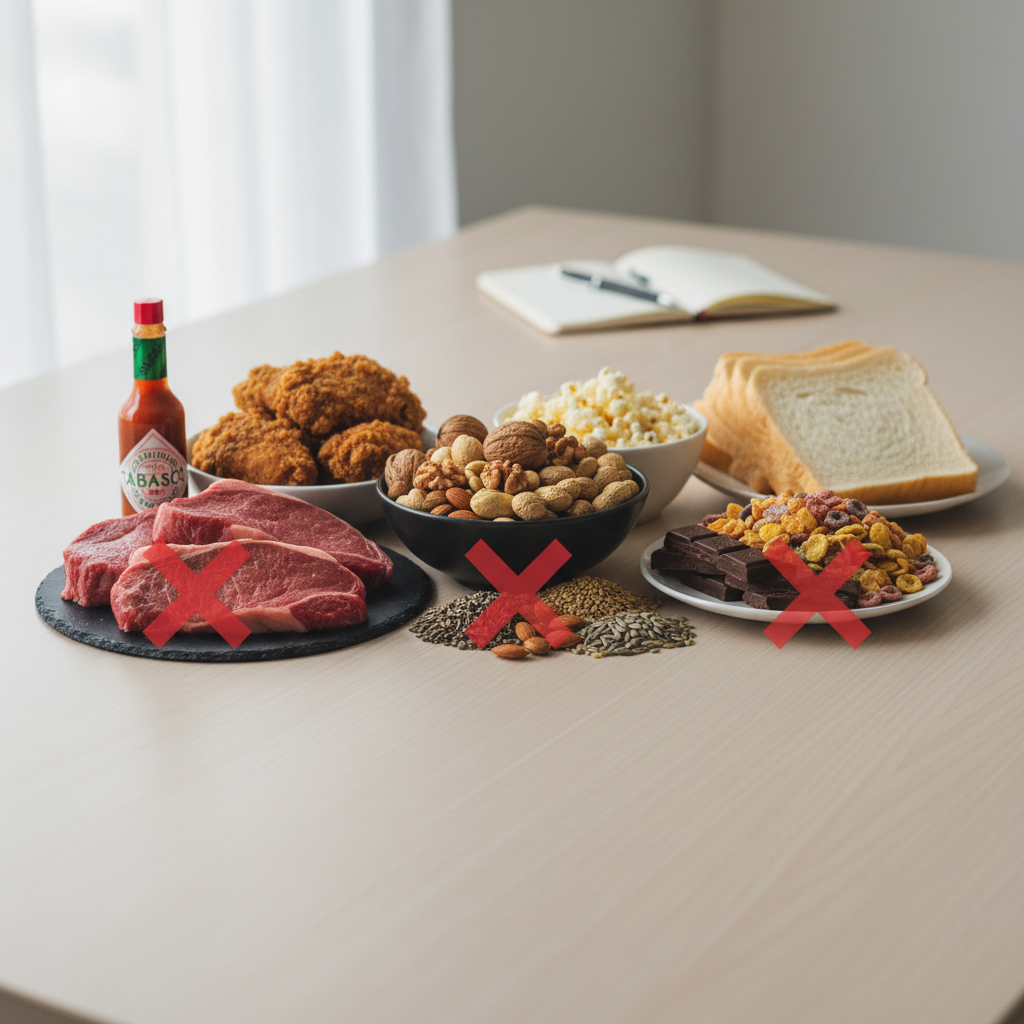
Foods to Limit or Avoid During a Flare-Up
Managing colitis and diverticulitis often involves careful attention to your diet, especially during a flare-up when symptoms are active. The primary goal is to reduce inflammation and give your digestive system a chance to rest and heal. While individual triggers can vary, certain food groups are commonly known to exacerbate symptoms like cramping, bloating, diarrhea, and abdominal pain. Avoiding these foods can be a critical step in managing your condition and finding relief.
It's important to remember that the diet recommended during a flare-up is often temporary. Once your symptoms subside and you enter a period of remission, your doctor or a registered dietitian may guide you in gradually reintroducing some of these foods to determine your personal tolerance levels.
High-Fiber Foods (Insoluble Fiber)
While fiber is typically praised for its health benefits, it can be problematic during a flare-up of colitis or diverticulitis. Insoluble fiber, found in foods like whole grains, nuts, seeds, and the skins of fruits and vegetables, does not dissolve in water. It adds bulk to the stool and can have a "scrubbing" effect on the intestinal walls. When your colon is inflamed and sensitive, this abrasive action can increase irritation, pain, and cramping. Foods like brown rice, raw broccoli, corn, and whole-wheat bread should be set aside until your symptoms have fully resolved.
Instead, during a flare, the focus should be on soluble fiber, which dissolves in water to form a gel-like substance that is much gentler on the gut. However, the most common recommendation is a general low-fiber or low-residue diet. This means opting for refined grains like white bread and white rice, and well-cooked vegetables without skins or seeds, which are easier for your inflamed digestive tract to process.
Greasy, Fatty, and Fried Foods
Foods high in fat, especially saturated and trans fats, can be significant triggers for digestive distress. Greasy and fried foods like french fries, burgers, pizza, and anything prepared in a deep fryer are notoriously difficult to digest. High-fat content can stimulate strong contractions in the colon, which can lead to painful cramping and worsen diarrhea. This is because fat digestion is a complex process that requires significant effort from your system, something an inflamed gut is ill-equipped to handle.
These foods can also directly contribute to inflammation throughout the body, potentially hindering the healing process. When managing a flare-up, it’s best to choose lean protein sources like grilled chicken or fish, and prepare foods by baking, steaming, or broiling instead of frying. Avoiding heavy sauces, butter, and margarine can also help reduce your overall fat intake and ease the burden on your digestive system.
Spicy Foods
For someone with an inflamed colon, spicy foods can feel like pouring salt on a wound. The active compound in chili peppers, capsaicin, is a known irritant to the mucous membranes lining the digestive tract. While some people tolerate spice well, during a flare-up of colitis or diverticulitis, it can significantly worsen abdominal pain, cause a burning sensation, and trigger urgency and diarrhea. This category includes not only hot peppers but also spicy sauces, curries, and seasonings like cayenne pepper or chili powder.
To avoid this added irritation, it’s crucial to opt for bland, simple seasonings. Herbs like parsley, basil, or thyme can add flavor without causing distress. Focusing on gentle flavors allows your gut to heal without the added stress of chemical irritants, helping to calm your system and reduce the severity of your symptoms more quickly.
Dairy Products
Dairy can be a tricky category for individuals with digestive conditions. Many people with inflammatory bowel disease (IBD), like colitis, also experience lactose intolerance. Lactose is a sugar found in milk and dairy products that requires a specific enzyme, lactase, for digestion. If you lack this enzyme, consuming dairy can lead to gas, bloating, cramping, and diarrhea—symptoms that mimic or worsen a flare-up. Even for those who aren’t lactose intolerant, the high-fat content in many dairy products, like whole milk, cheese, and cream, can be difficult to digest and trigger symptoms.
During a flare, it may be beneficial to limit or completely avoid dairy to see if it provides relief. You can try lactose-free milk or plant-based alternatives like almond or oat milk. However, be mindful of additives in some plant-based products that could also cause issues. Simple, low-fat options are generally the safest bet when your system is sensitive.
Sugary Foods and Artificial Sweeteners
High sugar intake can negatively impact your gut in several ways. Sugary foods, such as candy, pastries, and sugary drinks, can draw water into the intestines, potentially leading to looser stools and diarrhea. Furthermore, a diet high in refined sugar can disrupt the balance of good and bad bacteria in your gut microbiome, which may promote inflammation. This can be counterproductive when you are trying to heal an inflamed colon.
Artificial sweeteners, particularly sugar alcohols like sorbitol, mannitol, and xylitol, are also common culprits. These are often found in "sugar-free" products, gums, and candies. They are not fully absorbed by the small intestine and can ferment in the large intestine, causing significant gas, bloating, and a laxative effect. Reading labels carefully to avoid both excessive sugar and artificial sweeteners is a wise strategy during a flare.
Alcohol and Caffeinated Beverages
Both alcohol and caffeine are direct irritants to the gastrointestinal tract and can stimulate the bowels, making them poor choices during a flare-up. Alcohol can interfere with nutrient absorption and increase stomach acid, leading to irritation. It also has a dehydrating effect, which is particularly dangerous if you are already losing fluids through diarrhea. Caffeine, found in coffee, tea, soda, and chocolate, is a stimulant that can increase colonic contractions, leading to increased urgency and more frequent bowel movements.
During a flare, the best choice for hydration is plain water. Herbal teas that are naturally caffeine-free, like chamomile or peppermint, may be soothing for some, but it’s best to stick with clear, non-irritating liquids to allow your system to calm down and rehydrate effectively.
Red and Processed Meats
Red meats (like beef and pork) and processed meats (like bacon, sausage, and deli meats) are often high in saturated fat, which can promote inflammation. Processed meats are of particular concern as they contain additives, preservatives, and high levels of sodium that can further irritate a sensitive gut lining. Some studies have suggested a link between high consumption of these meats and an increased risk of IBD flare-ups. During a period of active symptoms, it’s better to choose leaner, easier-to-digest proteins. Skinless poultry, fish, eggs, and tofu are generally better-tolerated options that provide essential nutrients without adding inflammatory fats or irritating additives.