Essential Fraud Protection Tips for AARP Members
Protecting yourself from scams is crucial, especially for AARP members. In this article, we explore essential fraud protection strategies tailored to help seniors navigate today's digital threats confidently.
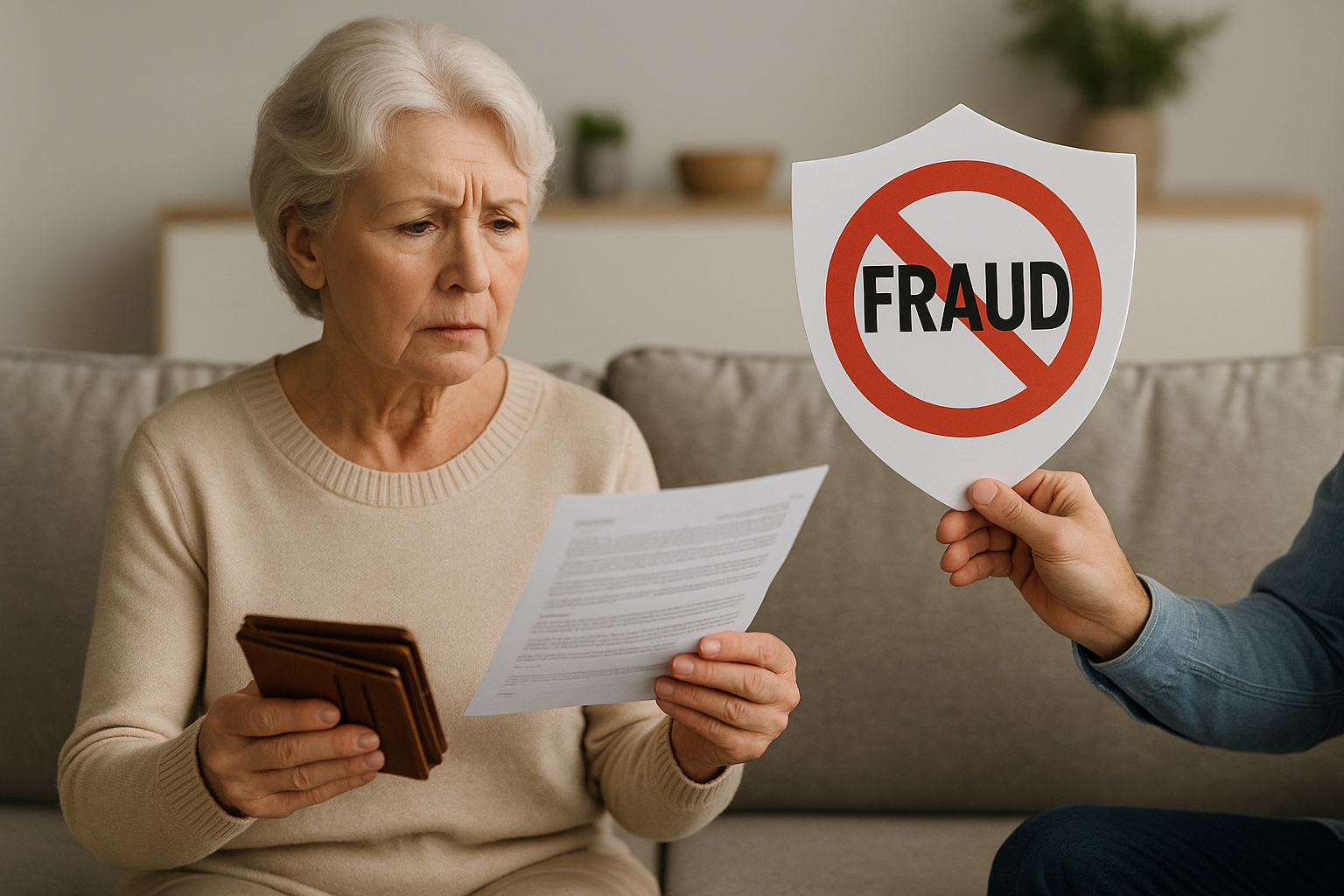
Understanding the Importance of Fraud Protection for AARP Members
Fraud is a growing concern, especially for older adults who might be more vulnerable to scams. As AARP members, it is vital to understand how these fraudulent activities could affect you and what steps you can take to protect yourself. The knowledge and resources provided by AARP can help you stay vigilantly aware of the threats and ensure your financial and personal information is secure.
Why Are Older Adults Targeted More Often?
Older adults are often targeted by fraudsters for several reasons:
- Accumulated wealth: Having saved wealth over a lifetime makes older adults attractive targets for criminals.
- Trusting nature: A tendency to be more trusting can lead to higher susceptibility to scams.
- Lack of familiarity with technology: As technology evolves, older generations might find it difficult to keep up with the new forms of fraud that emerge.
Key Types of Fraud Targeting AARP Members
AARP members should be aware of the various types of scams and frauds prevalent today. Understanding these can make you better prepared to recognize and avoid falling prey to them.
Impersonation Scams
Impersonation scams often involve fraudsters pretending to be someone trustworthy, such as a family member, government official, or a company representative. For example, there has been an increase in IRS impostor scams where fraudsters claim to be IRS officials demanding immediate payments. Staying informed about these tactics is crucial.
Ponzi and Pyramid Schemes
These fraudulent investment scams promise high returns with little risk. Reported cases in 2026 have shown an increase in such schemes targeting retirees looking to grow their savings. The best defense is understanding the characteristics of these schemes and avoiding suspicious investment opportunities.
Online Scams
With the rise of digital technology, online scams have become more sophisticated. Phishing emails, fake websites, and social media scams are some examples. A 2026 report highlights that almost 60% of reported scams involved some form of online interaction.
Steps to Protect Yourself from Fraud
To protect themselves from fraud, AARP members can adopt several proactive steps:
Stay Informed
Being aware of the types of scams and emerging trends in fraud can be your first line of defense. AARP’s Fraud Watch Network is a great resource to keep you updated about the latest scams and tactics criminals use.
Secure Your Personal Information
Implement strong, unique passwords for your online accounts and enable two-factor authentication whenever possible. Also, routinely monitor your financial statements for unauthorized activity.
Learn to Identify Red Flags
Recognizing the common warning signs can save you from becoming a victim. If someone asks for personal information or money urgently, especially via unconventional payment methods, it's likely a scam.
The Role of AARP in Fraud Protection
AARP is not just a membership organization; it also plays an integral role in protecting its members through various initiatives and resources.
AARP Fraud Watch Network
The AARP Fraud Watch Network offers a wealth of information, including tools and resources to help you spot and avoid scams. It also provides access to free counseling with trained fraud fighters who can guide you if you suspect you’ve encountered a scam.
Community Engagement and Education
AARP also engages in community events and seminars to educate members on how to protect themselves. These events foster community dialogue and enable members to share their experiences and learn from each other.
Taking Action: Reporting Fraud
It's essential to report any fraud attempts, whether successful or not. This helps authorities track scam patterns and bring perpetrators to justice. You can report fraud to organizations such as the FTC (Federal Trade Commission) or directly through AARP’s Fraud Watch Network.
Real-Life Examples and Success Stories
Consider the case of Mary, a retired schoolteacher who recognized a phishing email due to a seminar she attended. Reporting the scam prevented others in her community from falling victim. Such success stories exemplify how awareness and quick action can turn the tide against fraud.
Fraud protection is paramount for AARP members. By understanding the risks, staying informed, securing personal information, and using AARP’s resources, members can significantly reduce their vulnerability to scams. As technology evolves, so too must our strategies for defense, ensuring a secure financial future for AARP members.