Essential Guide: Discover the Top Rated Winter Coats for Ultimate Warmth
Finding the perfect winter coat means navigating a sea of options, from down-filled puffers to heavy-duty parkas. To make your choice simple, we've compiled a list of the absolute best, comparing them on the factors that truly matter: warmth, waterproofing, and overall comfort.
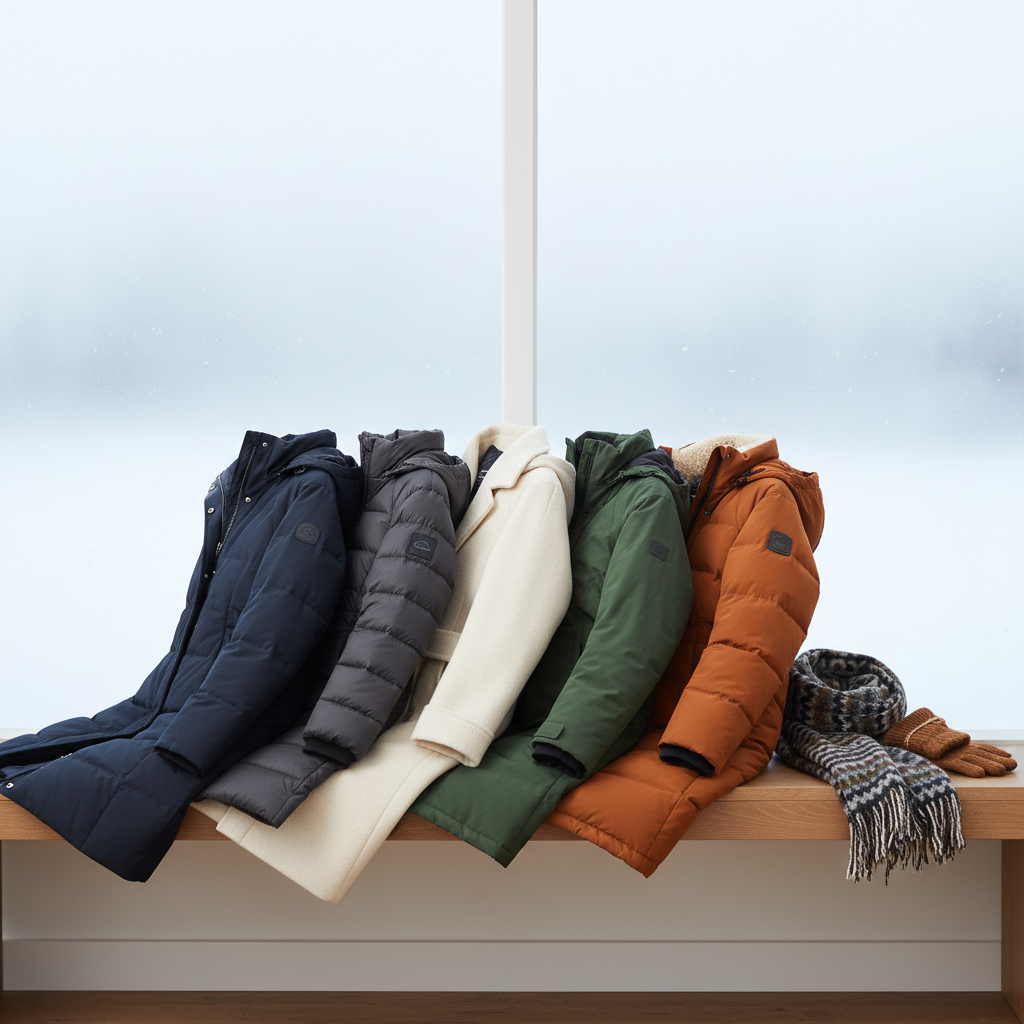
Choosing the right winter coat is a critical decision when the temperatures begin to drop. A good coat isn't just about style; it's a vital piece of gear that provides protection from wind, snow, and frigid air. The market is filled with countless options, each boasting different materials, technologies, and designs. Understanding what makes a coat top-rated involves looking at its insulation, weather resistance, durability, and overall functionality for its intended use. This guide explores some of the most highly-regarded types of winter coats, breaking down their features to help you understand which style might be best suited for your cold-weather needs.
Top-Rated Winter Coat Categories
Different situations call for different types of protection. A coat perfect for a snowy mountain hike would be overkill for a quick dash to the grocery store. Here are five top-rated categories of winter coats, each designed for specific environments and levels of cold.
1. The Heavy-Duty Arctic Parka
When the forecast predicts extreme cold, biting winds, and heavy snowfall, the heavy-duty arctic parka is the undisputed champion. These coats are engineered for the harshest conditions imaginable, prioritizing maximum warmth and protection above all else. They typically feature a thick, high-quality insulation, often 600-fill-power down or higher, or a robust synthetic equivalent. This high volume of insulation traps a significant amount of body heat, creating a powerful barrier against sub-zero temperatures. The outer shell is almost always fully waterproof and windproof, with durable fabrics like nylon or polyester blends treated with advanced waterproof membranes.
Additional features are what truly set the arctic parka apart. A long cut that extends below the hips provides extra coverage, while an insulated, snorkel-style hood, often trimmed with faux fur, protects the face from freezing winds. You'll also find features like storm cuffs that seal around the wrists, a drawstring waist to lock out drafts, and numerous large pockets for storing essentials. While they are the warmest option available, their bulk and weight make them less suitable for high-exertion activities or mild winter days.
2. The Versatile Insulated Puffer Jacket
The insulated puffer jacket, often filled with down or synthetic fibers, is arguably the most popular and versatile winter coat. It strikes an excellent balance between warmth, weight, and style, making it perfect for everyday urban and suburban life. These jackets get their "puffy" look from the baffles—stitched sections that hold the insulation in place and prevent it from clumping. The quality of a puffer is often determined by its "fill power" for down or "grams per square meter" for synthetics. A higher fill power means the down can trap more air, providing more warmth for its weight.
Most puffer jackets feature a water-resistant shell rather than a fully waterproof one, which is sufficient for light snow or drizzle but may not hold up in a downpour. Their primary advantage is their exceptional warmth-to-weight ratio, which makes them comfortable for daily commutes, running errands, or casual walks. Many are also highly compressible, allowing them to be packed down into a small stuff sack for easy travel. Their widespread appeal has led to a huge variety of styles, from sleek, minimalist designs to bold, colorful options.
3. The Performance-Oriented 3-in-1 Jacket
For those who value adaptability and want a single solution for multiple seasons, the 3-in-1 jacket is an outstanding choice. This clever design consists of two distinct pieces that can be worn together or separately: an outer shell and an inner insulated liner. The outer shell is typically a waterproof, windproof, and breathable hardshell designed to protect you from rain and snow. The inner jacket is usually a lightweight fleece or a lightly insulated synthetic puffer that provides warmth.
When zipped together, the two layers create a fully insulated, weatherproof winter coat ready for cold and snowy conditions. Worn separately, the outer shell becomes a high-quality rain jacket for milder, wet days in the spring or fall, while the inner liner serves as a comfortable, casual jacket for cool, dry weather. This versatility makes the 3-in-1 system a practical and economical investment, especially for individuals who engage in outdoor activities like hiking or skiing, where weather conditions can change rapidly.
4. The Timeless Wool Overcoat
Not all winter scenarios call for technical gear. For professional settings, formal events, or simply a more classic and sophisticated look, the wool overcoat remains a top-rated staple. Made from naturally insulating and durable wool, often blended with other materials like cashmere for softness or nylon for strength, these coats provide substantial warmth with an unmatched sense of style. Wool is naturally water-resistant and continues to insulate even when damp, making it a reliable choice for cold, damp climates.
The elegance of a wool overcoat lies in its tailored construction. Available in various lengths, from car coats that hit at the thigh to full-length topcoats, they are designed to be worn over suits, blazers, or sweaters. While they don't offer the technical weatherproofing or immense warmth of a parka, they excel at blocking wind and providing a comfortable layer of insulation for city life and formal occasions. A well-made wool coat is a long-term investment that will remain a fashionable and functional part of a winter wardrobe for years.
5. The Active Technical Hardshell
For high-output winter activities like skiing, snowboarding, ice climbing, or winter hiking, a different kind of protection is needed. The active technical hardshell is a specialized outer layer designed for movement and breathability. Unlike other winter coats, these are often sold as just a shell with no integrated insulation. The primary purpose of a hardshell is to provide an impenetrable barrier against wind and water while allowing sweat vapor to escape, preventing the wearer from getting clammy and cold during intense exercise.
These jackets achieve this through advanced materials like Gore-Tex or other proprietary waterproof-breathable membranes. Their design is focused on function, featuring an athletic fit that allows for a full range of motion, a helmet-compatible hood, and ventilation zippers (pit zips) to dump excess heat quickly. Warmth is managed through a separate layering system underneath, allowing the user to customize their insulation level based on the temperature and their activity level. While not an all-in-one warm coat, it is the top-rated choice for anyone who needs to stay dry and comfortable while being active in the snow.
Understanding Winter Coat Technology: What Makes a Coat Warm?
The effectiveness of a winter coat isn't magic; it's a result of deliberate engineering and material science. The primary goal is to minimize heat loss from your body. This is achieved through a combination of trapping air (insulation), blocking wind (shell fabric), and managing moisture (breathability). Understanding these core components can help you decipher product descriptions and make a more informed decision.
Insulation is the heart of any warm coat. It works by creating thousands of tiny air pockets that trap the heat your body generates. The two main types are down and synthetic. Down, the soft plumage from ducks or geese, offers the best warmth-for-weight ratio but loses its insulating properties when wet. Synthetic insulation, made from polyester fibers, is designed to mimic down but retains its warmth when damp and is typically more affordable. The outer shell fabric is your first line of defense against the elements. It needs to be durable enough to withstand abrasion and, most importantly, protect you from wind and precipitation. This is where terms like "windproof," "water-resistant," and "waterproof" come into play, each offering a different level of protection.
Common Questions About Winter Coats
Once you have a general idea of the type of coat you need, other practical questions often arise. Here are answers to some of the most common queries people have when selecting and caring for their winter outerwear.
How Do I Properly Layer Clothing Under a Winter Coat?
Layering is the key to staying warm and comfortable in any cold environment, and it allows you to adapt to changing conditions. The most effective method is the three-layer system. The first is the base layer, worn next to your skin. Its job is to wick sweat away from your body to keep you dry. Look for materials like merino wool or synthetic fabrics like polyester; avoid cotton, which holds moisture and makes you cold.
The second is the mid-layer, which is your primary insulating layer. This is where you trap your body heat. Common mid-layers include fleece jackets, down vests, or wool sweaters. The thickness of your mid-layer can be adjusted based on how cold it is. Finally, the outer layer is your winter coat. Its purpose is to shield you from the elements—wind, rain, and snow. By combining these three layers, you can add or remove pieces as your activity level or the weather changes, ensuring you're always at the perfect temperature.
What's the Difference Between Down and Synthetic Insulation?
Choosing between down and synthetic insulation is one of the biggest decisions when buying a coat. Down insulation is rated by "fill power," which measures the loft or "fluffiness" of the down. A higher number (e.g., 800-fill) means it traps more air and provides more warmth for its weight. Down's main advantages are its superior warmth-to-weight ratio and its compressibility, allowing it to pack down very small. Its major disadvantage is that it loses its ability to insulate when it gets wet and can be slow to dry.
Synthetic insulation, on the other hand, is made from man-made polyester fibers. It is designed to replicate the properties of down but with one key advantage: it continues to provide warmth even when it’s damp. It’s also generally more affordable and hypoallergenic. The downsides are that it’s typically heavier and bulkier than down for the same level of warmth, and it doesn't compress as well. The choice often comes down to your climate and activity. For cold, dry conditions or when weight is a top priority, down is excellent. For damp climates or activities where you might sweat a lot, synthetic is often a safer bet.
Conclusion
Finding the top-rated winter coat ultimately comes down to matching the coat's features to your specific needs. Whether you require the uncompromising warmth of an arctic parka for severe cold, the balanced performance of a puffer jacket for daily wear, or the adaptability of a 3-in-1 system for varied activities, there is a design suited for every climate and lifestyle. By understanding the key differences in insulation, materials, and intended use, you can confidently select a coat that will keep you warm, dry, and comfortable throughout the winter season.