Essential Guide to Finding Reliable Portable Wheelchair Ramps Online
Finding the right place to order a portable wheelchair ramp can feel overwhelming with so many options available. From large online marketplaces and big-box stores to specialized medical equipment suppliers, each type of retailer offers a different experience.
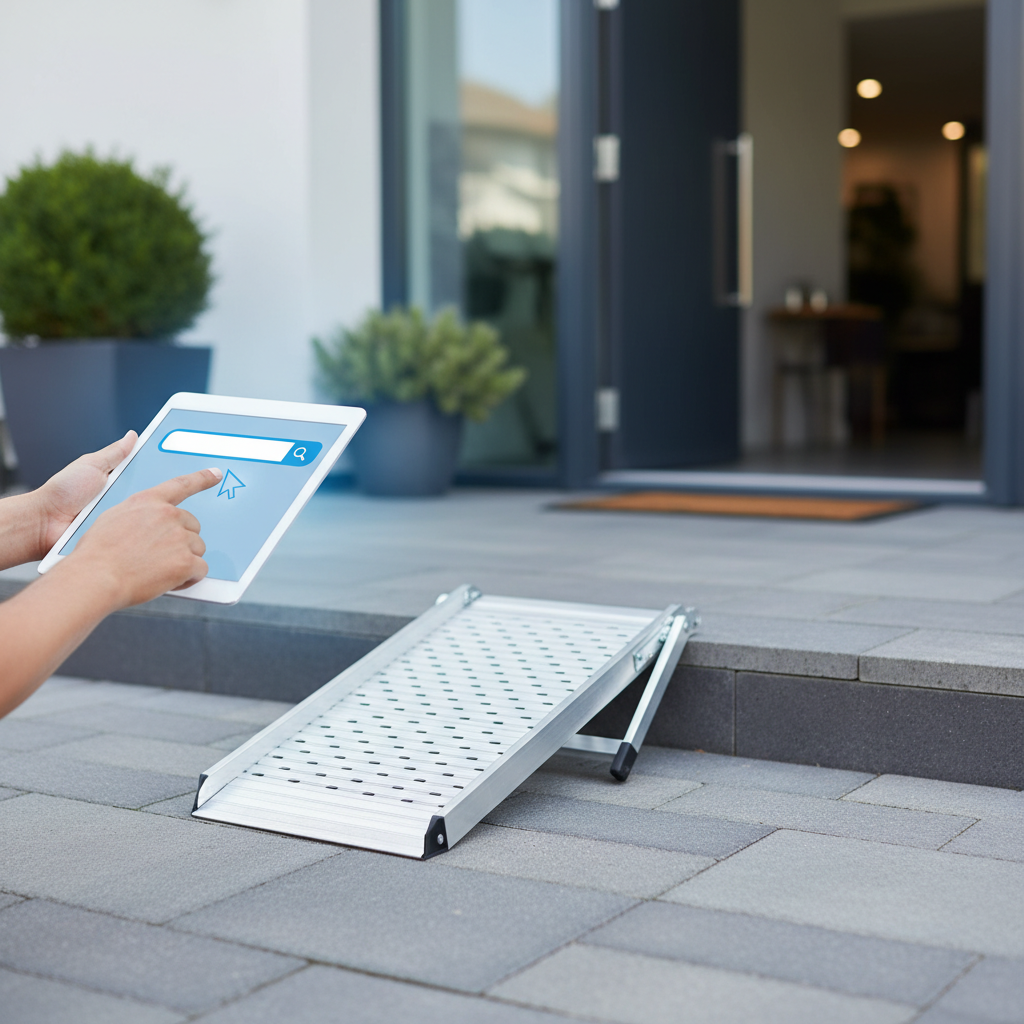
Top Places to Find Portable Wheelchair Ramps
Finding the right portable wheelchair ramp is crucial for improving accessibility and independence. Knowing where to look can save you time, money, and ensure you get a product that perfectly fits your needs. From specialized online retailers to local stores, here are the best places to order your portable wheelchair ramp.
1. Specialized Online Medical Supply Stores
Online stores that specialize in Durable Medical Equipment (DME) are often the best starting point for your search. These retailers focus exclusively on mobility and accessibility products, meaning they have a vast and curated selection of portable ramps from reputable manufacturers. Their product listings are typically very detailed, providing crucial information on weight capacity, ramp length, materials, and specific features like anti-slip surfaces and carrying handles. This level of detail is essential for making an informed decision.
The primary advantage of these specialized stores is the expertise they offer. Their customer service teams are usually well-trained in the products they sell and can provide expert guidance on choosing the right ramp length based on the rise (height) you need to overcome. They can also help you understand the differences between suitcase, threshold, and telescoping ramps. Furthermore, some of these retailers may have experience working with insurance providers, which can be a significant benefit if you are seeking reimbursement.
2. Major E-commerce Marketplaces
Large online marketplaces like Amazon, Walmart, and eBay are popular choices due to their competitive pricing, vast user reviews, and fast shipping options. You can find a wide array of portable ramps from numerous brands, often at lower prices than specialized retailers due to the high volume of sales and competition among sellers. The customer review system is particularly valuable, as you can read firsthand experiences from other users about a ramp's durability, portability, and ease of use in real-world scenarios.
However, there are downsides to consider. The sheer volume of options can be overwhelming, and it can be difficult to vet the quality of lesser-known brands. The biggest drawback is the lack of specialized customer support. If you have specific questions about calculating the correct ramp slope or need help choosing between different models for a unique situation, you are unlikely to find expert assistance. You will need to do most of the research on your own to ensure you purchase a safe and appropriate ramp.
3. Direct from Manufacturers
Ordering directly from a ramp manufacturer's website is an excellent option for those who have already identified a specific brand they trust. Companies like EZ-ACCESS, Prairie View Industries, and Roll-A-Ramp have robust websites where you can browse their entire product lines. This ensures you are getting an authentic product and have access to the most up-to-date models and accessories available.
The key benefit of buying direct is the unparalleled product knowledge and customer support. The manufacturer's representatives can answer highly technical questions and provide the best recommendations for their products. You also get the full benefit of the manufacturer's warranty and return policy without a third-party retailer acting as a middleman. While prices might not always be the lowest, the peace of mind and expert support can be well worth it, especially for a significant purchase that impacts safety and mobility.
4. Local Durable Medical Equipment (DME) Providers
For those who prefer a hands-on approach, visiting a local DME provider or mobility store is an invaluable option. The ability to see and handle a ramp before buying it can make a huge difference. You can test the weight, feel the surface texture, and see how easily it folds and unfolds. This tactile experience eliminates much of the guesswork involved with online shopping.
The most significant advantage of a local provider is the personalized, in-person service. A professional can visit your home to take precise measurements of the steps, thresholds, or vehicles you need the ramp for. They can perform an on-site assessment to guarantee you get the correct length and type of ramp for safe use. Many local stores also offer rental programs, which are perfect for short-term needs, such as recovering from surgery or accommodating a visiting family member.
5. Home Improvement and Big-Box Stores
Retailers like Home Depot, Lowe's, and even some larger hardware stores have started carrying a selection of accessibility products, including portable wheelchair ramps. The convenience of being able to pick one up immediately is a major draw, especially if the need is urgent. This is a practical option for standard, straightforward applications like overcoming a single step or a small curb.
However, the selection at these stores is typically very limited. You may only find a few basic suitcase ramp models in common lengths. The staff, while helpful with general inquiries, will likely not have the specialized knowledge to advise on calculating slopes or meeting specific mobility needs. This option is best suited for customers who already know exactly what size and type of ramp they need and are looking for a quick and convenient purchase.
Understanding the Different Types of Portable Ramps
Before you can decide where to buy your ramp, it's essential to understand the primary types available. Each is designed for a specific purpose, and choosing the right one is critical for safety and convenience. The term "portable" covers a wide range of designs, from small threshold plates to long, folding ramps for accessing vehicles.
Suitcase Ramps
Suitcase ramps are arguably the most popular and versatile type of portable ramp. They are characterized by a single-fold design that allows them to fold in half lengthwise, like a suitcase. Most models include a built-in carrying handle, making them easy to transport and store. They are typically made from lightweight aluminum, offering a great balance of strength and portability. Suitcase ramps are ideal for navigating one to three steps, curbs, or getting a wheelchair or scooter into a van or SUV. They come in various lengths, typically from 2 to 8 feet, to accommodate different rise heights.
Threshold Ramps
Threshold ramps are small, compact ramps designed specifically to bridge small rises like a single step, a sliding glass door track, or a raised doorway threshold. They are usually not designed to fold. Instead, they are small, solid wedges made from aluminum, rubber, or plastic. Rubber threshold ramps are very popular because they are extremely durable, non-slip, and can be easily trimmed to fit a specific doorway height or width. Their primary function is to create a smooth and safe transition over minor obstacles inside and outside the home.
Telescoping Ramps (Track Ramps)
Telescoping ramps, often called track ramps, consist of two separate, narrow channels that can be extended to the desired length. Instead of providing a single, solid surface, they offer two tracks for the wheels of a wheelchair to roll on. This design makes them incredibly lightweight and compact for storage, as each track is much smaller than a full-width ramp. They are highly adjustable, making them suitable for various situations. However, they require more precision from the person pushing the wheelchair to ensure the wheels stay on the tracks and are generally not recommended for scooters or powered wheelchairs with low ground clearance.
Roll-Up Ramps
For ultimate portability, roll-up ramps are an innovative solution. These ramps are constructed from linked aluminum segments that allow the entire ramp to be rolled up into a compact cylinder, similar to a sleeping bag. They are exceptionally lightweight and often come with a carrying bag, making them perfect for travel or for users who need to take a ramp with them wherever they go. While highly portable, they may take slightly longer to set up and take down compared to a simple suitcase ramp.
Key Questions to Ask Before You Order
Making the right choice involves more than just picking a retailer. Answering a few key questions beforehand will ensure your purchase is safe, effective, and perfectly suited to your needs.
How Do I Measure for a Portable Wheelchair Ramp?
The single most important step before ordering a ramp is to measure correctly. The primary measurement you need is the "rise," which is the total vertical height from the ground to where the top of the ramp will rest. For example, if you are trying to get over two steps, measure the vertical distance from the ground to the top of the highest step.
Once you have the rise, you can determine the required ramp length. The Americans with Disabilities Act (ADA) recommends a 1:12 slope ratio for stationary ramps, which means for every 1 inch of rise, you need 12 inches (1 foot) of ramp length. For a 6-inch rise, you would need a 6-foot ramp (6 inches x 12 = 72 inches, or 6 feet). For portable situations, especially with assistance, a steeper 2:12 slope (2 inches of rise per foot of ramp) may be acceptable. However, the gentler the slope, the safer and easier the ramp will be to use.
Always measure the available space where the ramp will sit to ensure you have enough room for the required length. Also, consider the landing space at the top and bottom of the ramp. You need a flat, stable area to safely get on and off the ramp. Always choose a longer ramp if you are unsure; a ramp that is too gentle is always safer than one that is too steep.
What Materials Are Portable Ramps Made From?
The material of a portable ramp directly impacts its weight, durability, and cost. Understanding the differences between the common materials can help you choose the best option for your specific use case.
Aluminum is the most common material for portable ramps, especially for suitcase and telescoping models. It offers an excellent combination of high strength and low weight, making the ramps easier to carry and set up. Aluminum is also naturally resistant to rust and corrosion, so it holds up well to outdoor use in all weather conditions. Most aluminum ramps feature a high-traction, anti-slip surface for added safety.
Fiberglass or Composites are other lightweight options. These ramps can be even lighter than aluminum in some cases and offer complete resistance to corrosion. They provide a very solid and stable feel underfoot. However, they can sometimes be more susceptible to cracking or damage if dropped, and they may be more expensive than their aluminum counterparts. They are a great choice for those prioritizing the absolute lightest weight possible.
Rubber is almost exclusively used for threshold ramps. These ramps are made from recycled or solid rubber, making them extremely heavy and durable. Their weight is an advantage, as it keeps them firmly in place without needing to be bolted down. Rubber is naturally non-slip and conforms well to uneven surfaces, creating a safe and silent transition over thresholds.
Conclusion
Choosing where to order a portable wheelchair ramp depends on your priorities. If you need expert advice and a wide selection, specialized online medical suppliers or local DME providers are your best bet. For competitive pricing and fast shipping on a product you've already researched, major e-commerce marketplaces are a great choice. The most critical steps are to accurately measure your rise, understand the different types of ramps, and select the right length for a safe slope. By considering these factors, you can confidently find and order a ramp that enhances mobility and accessibility.