Essential Guide to Navigating Police Impound Procedures for EBikes
Curious about what happens when authorities confiscate ebikes? Our Police Impound EBikes Guide sheds light on the process. Whether you've encountered legal hiccups or just want to stay informed, we'll walk you through typical scenarios and considerations.
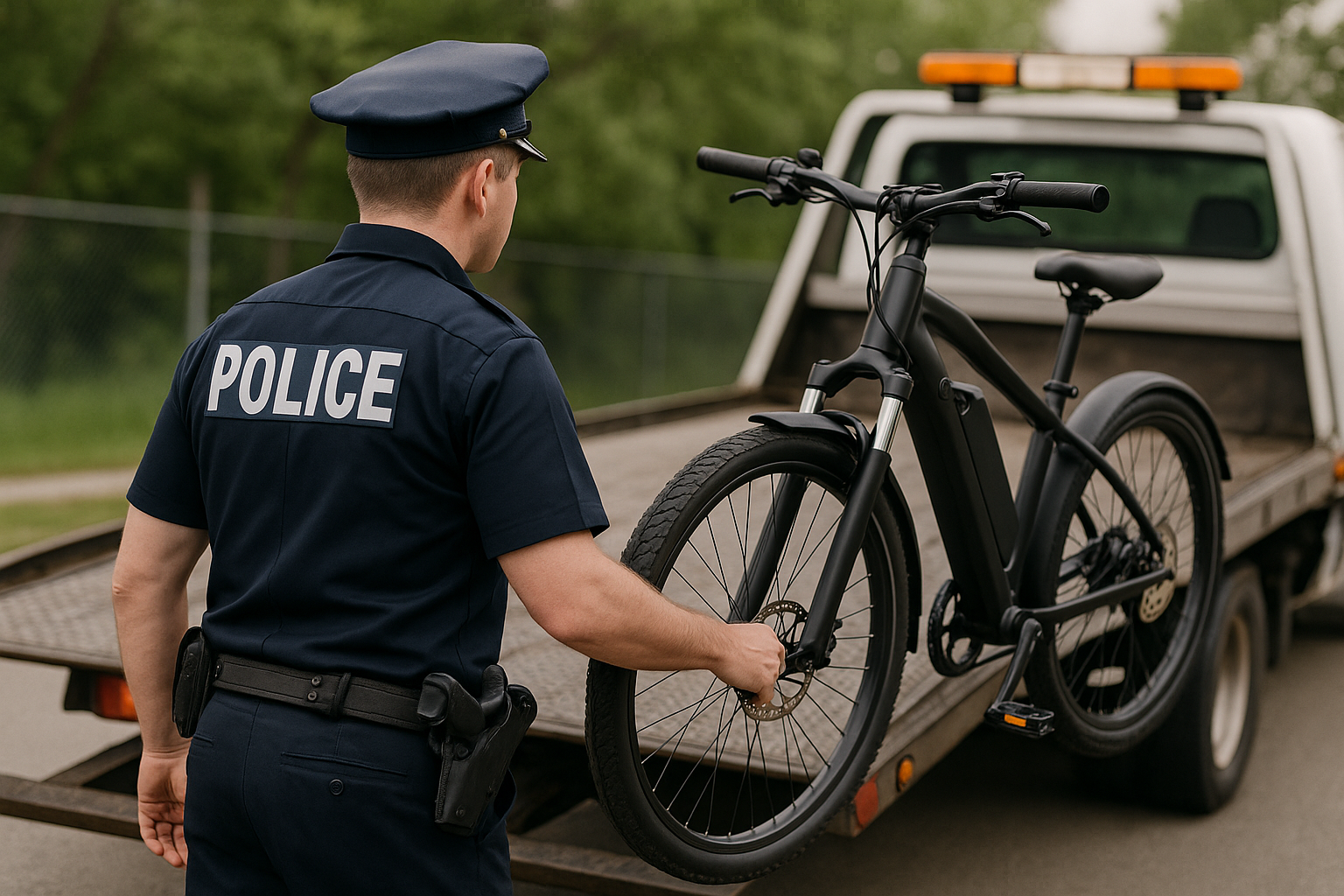
Understanding Police Impoundment of E-Bikes
The rising popularity of e-bikes has brought convenience and eco-friendliness to urban transportation. However, with this growth, there's also an increased awareness of laws and regulations surrounding e-bikes. One such concern for many e-bike owners is the possibility of police impoundment. In this guide, we’ll explore the reasons e-bikes might be impounded, what steps owners can take to prevent this, and how to retrieve an impounded e-bike.
Why Are E-Bikes Impounded by the Police?
Understanding the reasons behind the impoundment of e-bikes can help owners avoid these situations. Common reasons include:
- Illegal Modifications: Some e-bike owners modify their bikes to increase speed beyond legal limits. In most regions, e-bikes are defined by law to have a maximum speed of 20 mph (32 km/h). Exceeding these limits can result in your e-bike being categorized differently, subjecting it to motorcycle regulations.
- Lack of Registration: If your e-bike falls under a specific class requiring registration and license plates, failing to comply can lead to impoundment.
- Riding on Prohibited Paths: Riding e-bikes on sidewalks or other non-designated paths can violate local traffic laws, leading to police action.
- Public Safety Concerns: Erratic or dangerous riding that endangers public safety can prompt law enforcement to impound your e-bike.
Steps to Take If Your E-Bike Gets Impounded
Discovering that your e-bike has been impounded can be stressful. Here, we outline the steps to retrieve your bike:
- Verify the Impoundment: Contact the local police department to confirm the location and reason for the impoundment. In larger cities, this may involve a visit to the traffic control office.
- Understand Local Laws and Fees: Each district has different regulations regarding fees, holding times, and the retrieval process. Familiarize yourself with these to speed up the process.
- Gather Required Documentation: You’ll typically need proof of ownership, identification, and any relevant registration or modification permits.
- Pay Impoundment Fees: Be prepared to pay any fees related to the impounding and storage of your e-bike. According to a 2026 study by Recent Regulations in Urban Transportation, these fees vary widely, typically ranging from $50 to $200.
- Attend Required Hearings: In some cases, you may need to attend a hearing if a violation is contested. These sessions can provide an opportunity to present your case and potentially reduce fines.
Preventing E-Bike Impoundment
Prevention is better than cure. Here are proactive steps to protect your e-bike from being impounded:
- Stay Informed on Regulations: Regularly check local laws regarding e-bike operation as they can change frequently. Resources like the 2026 Local Traffic Laws Report are great places to start.
- Keep Documentation Updated: Ensure your e-bike’s registration (if applicable) and any necessary permits are current and kept on hand while riding.
- Comply with Speed Regulations: Avoid modifications that exceed speed restrictions to prevent reclassification under different vehicle categories.
- Educate Yourself on Proper Usage: Adhere to designated bike paths and lanes to avoid conflict with pedestrian traffic and potential legal issues.
Understanding the Impacts
Impoundment can affect not only the owner but also the broader perceptions of e-bikes in urban settings. Engaging with local advocacy groups can help support reasonable legislation while promoting responsible e-bike usage.
Recent Trends and Statistical Insights
According to the 2026 Urban Mobility Study found in an article by Urban Dynamics Journal, e-bike impoundment cases have decreased due to increasing public awareness and improving infrastructure. This positive trend highlights the significance of educational efforts and the need for clear, consistent regulations both for law enforcement and e-bike users.
Conclusion
Police impoundment of e-bikes can be a significant concern, but understanding the underlying reasons and preventive measures can mitigate risks. By staying informed and complying with local regulations, e-bike owners can enjoy the benefits of their rides while avoiding legal troubles. As communities continue to embrace sustainable transportation, cooperative efforts between riders, law enforcement, and city planners will remain vital to integrate e-bikes safely into our urban landscapes.
References
- What to Know When Police Impound E‑Bikes
- Navigate Police Impound Procedures: Retrieving Ebikes Guide
- When Police Impound Bicycles: Rider Guide
- What Happens to Police Impound Bicycles
- Police Confiscated Bikes Guide 2026
- My E‑Bike Has Been Seized by Police – What Happens Next?
- Can Police Impound a Motorized Bike?
- Can Police Impound a Motorized Bike – XJD Guide
- Reddit: Ebike Confiscated by Police Discussion
- Reddit: Santa Monica Illegal E‑Bike Crackdown