Essential Health Screenings Everyone Over 50 Should Consider
Explore essential health screenings recommended for people over 50 in our latest guide. Understanding these routine checks can help you stay informed about your wellbeing as you age. From heart health to cancer screens, each recommended screening offers insights tailored to your age group.
Understanding the Importance of Health Screenings After 50
As we grow older, our bodies undergo significant changes, necessitating closer monitoring to maintain optimal health. Individuals over 50 are at a higher risk for several health conditions, making regular health screenings critical for early detection and prevention. By staying informed about recommended health screenings, you can take proactive steps in managing your health.
Key Health Screenings Recommended for People Over 50
1. Blood Pressure and Cholesterol Checks
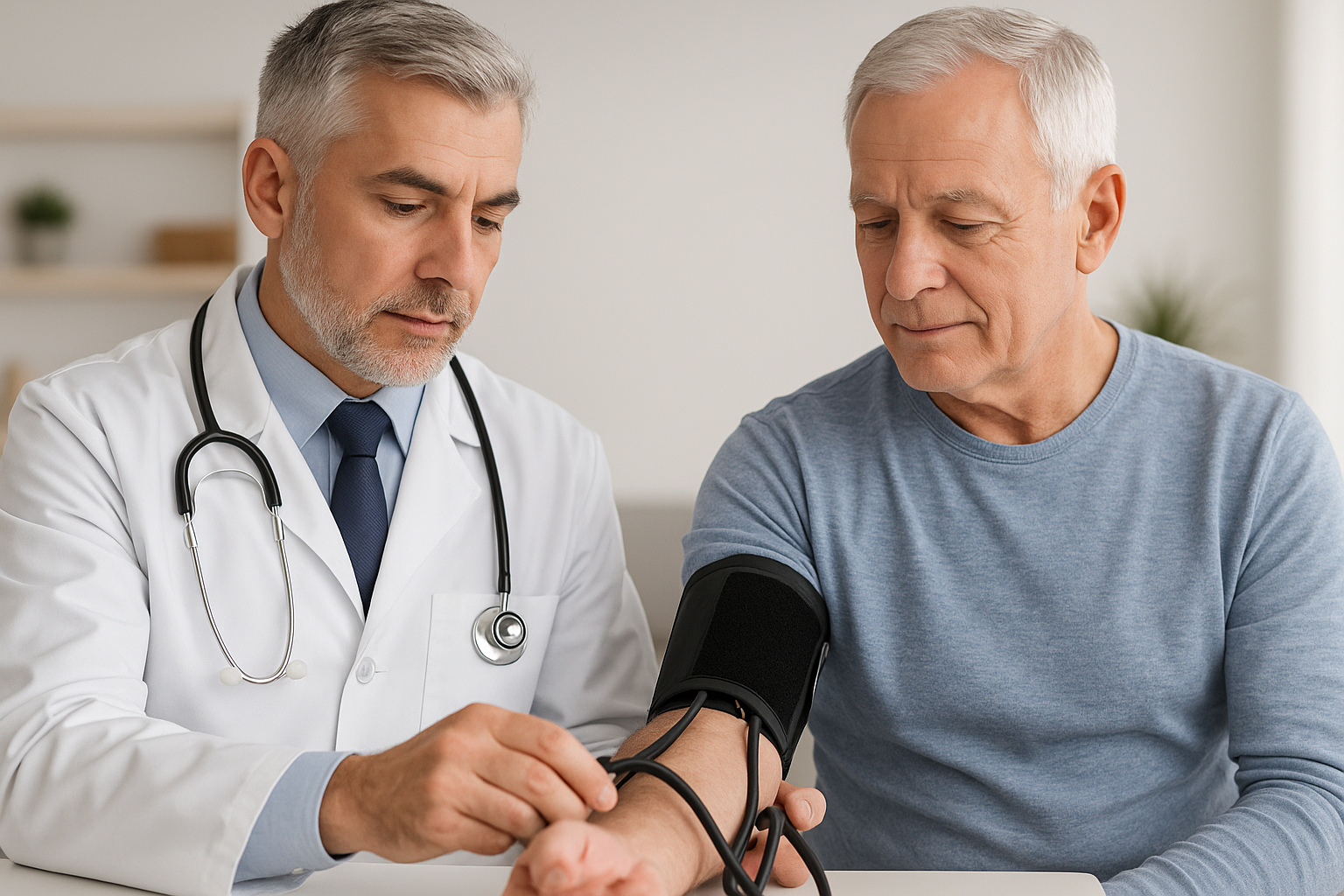
High blood pressure and high cholesterol are silent conditions that can lead to heart disease and stroke, prominent risks for people over 50. Regular checks can help you manage these risks effectively. According to the American Heart Association, it’s important to have your blood pressure and cholesterol checked at least once every year.
- Blood Pressure: Aim for a reading below 130/80 mm Hg for optimal heart health.
- Cholesterol: Keep your total cholesterol under 200 mg/dL.
Read more on the specific cholesterol guidelines: American Heart Association.
2. Colorectal Cancer Screening
Colorectal cancer is the third most common cancer diagnosed in both men and women. The Centers for Disease Control and Prevention (CDC) recommends regular screening beginning at age 50 and continuing until age 75. Options for screening include colonoscopy, stool tests, and CT colonography.
Regular screening can dramatically reduce your risk of dying from colorectal cancer and is recommended every 10 years for those at average risk.
More about recent updates on colorectal cancer screening: National Cancer Institute.
3. Breast Cancer Screening
For women, breast cancer risk increases with age. It is recommended that women between 50 and 74 years old have a mammogram every two years, according to the U.S. Preventive Services Task Force. Early detection through regular mammography can significantly improve treatment outcomes and survival rates.
Discover more about mammogram recommendations: CDC Breast Cancer.
4. Bone Density Test
Osteoporosis becomes a greater threat as we age, especially for postmenopausal women and men over 70. A bone density test, often referred to as a DEXA scan, helps assess the risk of fractures and is advisable for women at age 65 and men at age 70.
Consult with your healthcare provider about when to begin screening based on your risk factors.
5. Vision and Hearing Tests
Age-related changes can significantly impact vision and hearing. Regular screenings can help detect issues like glaucoma, cataracts, and age-related macular degeneration (AMD). Similarly, a hearing test can ensure that any gradual hearing loss is promptly addressed.
Additional Health Screenings Depending on Risk Factors
Beyond the standard screenings, individual risk factors may necessitate further tests:
- Diabetes Screening: Especially recommended for those with high blood pressure or obesity.
- Prostate Cancer Screening: Men should discuss this with their doctor starting at age 50, looking at the pros and cons based on family history and race.
- Lung Cancer Screening: Regular screenings for long-time smokers or those who quit within the past 15 years.
- Skin Checks: Important for those with a history of sun exposure or skin cancer.
Conclusion: Taking Charge of Your Health
Turning 50 is a significant milestone that brings an opportunity to refocus on health and wellness. By engaging in regular health screenings and discussing any specific concerns with your healthcare provider, you can lead a healthier, more informed life in your golden years. Regular screenings not only provide peace of mind but also empower you to take an active role in your health journey.