Essential Home Modifications for Seniors: Top 10 Tips for Safe Aging In Place
Discover essential tips for safer aging in place with our top 10 simple home modifications. From installing grab bars to enhancing lighting, these adaptations aim to increase comfort and security for seniors.
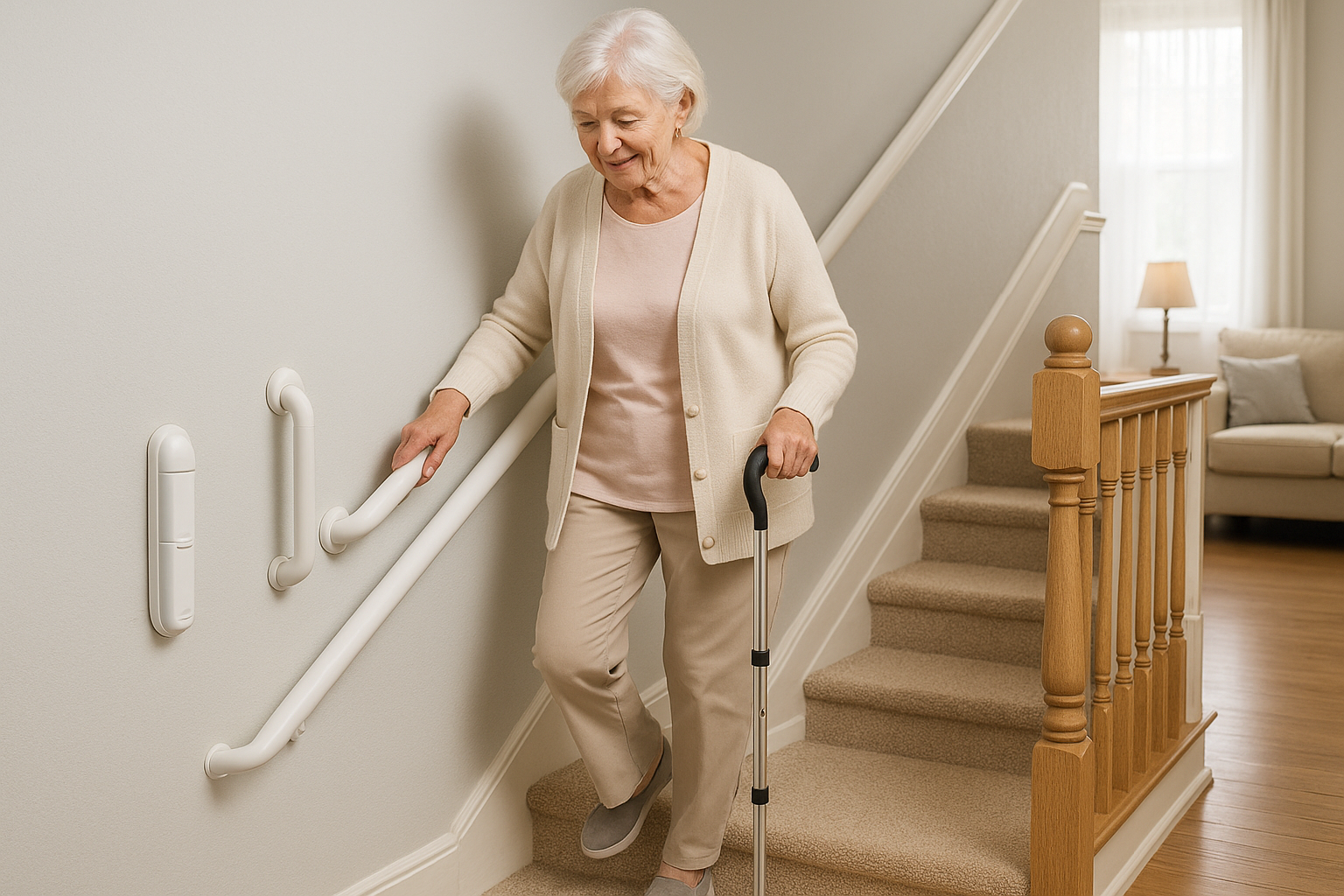
Understanding the Concept of Aging in Place
Aging in place refers to the ability to live in one's own home and community safely, independently, and comfortably, regardless of age or level of ability. This concept is increasingly popular among seniors who prefer to maintain their independence and live within familiar surroundings.
According to recent data from the American Association of Retired Persons (AARP), nearly 77% of adults aged 50 and older want to remain in their own homes for the long term. However, ensuring safety and accessibility in the home is crucial for achieving this goal.
Top 10 Simple Home Modifications for Safer Aging in Place
1. Improve Lighting
Proper lighting can prevent falls, which are a leading cause of injury among seniors. Enhancing visibility in crucial areas like stairways, bathrooms, and corridors can significantly reduce risk.
- Install motion-sensor lights in hallways and entryways.
- Add brighter bulbs or additional lighting fixtures in dimly lit areas.
For example, a study published in the Journal of Safety Research in 2026 indicated that improved lighting in homes reduced fall incidents among seniors by up to 20%.
2. Remove Tripping Hazards
Clutter and loose rugs can lead to accidents. Keeping floors clear and using non-slip mats can create a safer environment.
- Secure area rugs with non-slip pads or double-sided tape.
- Ensure walkways and stairs are free of clutter and cables.
3. Install Grab Bars and Handrails
Grab bars provide support in the bathroom and along stairs, reducing the risk of falls.
- Place grab bars near the toilet, shower, and bathtub.
- Install robust handrails on both sides of staircases.
4. Update Bathroom Fixtures
Bathrooms can be particularly hazardous due to slippery surfaces. Making a few key modifications can make them much safer.
- Replace traditional tubs with walk-in tubs or curbless showers.
- Add non-slip strips to the bottom of the shower or tub.
5. Use Lever-Style Door Handles
Lever-style handles are easier to operate for seniors with arthritis or reduced strength.
- Replace round door knobs with lever handles that require minimal gripping strength.
6. Enhance Kitchen Safety
Reducing the need to reach or bend in the kitchen minimizes the risk of accidents.
- Store frequently used items in lower, easily accessible cabinets.
- Use pull-out shelves to minimize reaching and bending.
7. Home Automation and Smart Home Devices
Smart home technology can significantly enhance safety and ease of living for seniors.
- Voice-activated devices can control lighting, thermostats, and even emergency calls.
- Smart sensors and alarms can provide alerts for smoke, carbon monoxide, or movement-related incidents.
According to a 2026 report by the Consumer Technology Association, the adoption of smart home devices among individuals over 65 has increased by 30% over the past year, primarily driven by the desire for enhanced safety and convenience.
8. Floor Leveling
Ensuring that all floors are level and free of transitions or sharp changes in height can help prevent trips and falls.
- Consider leveling uneven flooring surfaces or adding ramps where necessary.
9. Widen Doorways
Wider doorways can accommodate mobility aids such as walkers and wheelchairs.
- Consider renovating narrow doorways to meet accessibility standards, typically 32 inches wide or more.
10. Install a Stairlift or Home Elevator
For homes with stairs, a stairlift or small home elevator can provide safe, reliable access to upper floors.
- Stairlifts are a cost-effective option for enhancing mobility within a multi-story home.
- Home elevators, though more expensive, offer increased flexibility and may increase property value.
Financial Considerations for Home Modifications
While the cost of home modifications can vary, there are resources available to help mitigate expenses.
- Medicare and Medicaid might cover some modifications if medically necessary, per 2026 updates.
- Local and national aging organizations often offer grants or low-interest loans.
It’s advisable to research local programs and services that can provide financial assistance or subsidies.
Conclusion
Implementing these home modifications can significantly enhance safety and comfort for seniors looking to age in place. As our population continues to age, creating a supportive environment that fosters independence and well-being is paramount.
For further reading and resources, you can visit [AARP Home Modification Resources](https://www.aarp.org/home-garden/home-improvement/info-2026/home-modifications.html) and [National Institute on Aging Housing Resources](https://www.nia.nih.gov/health/aging-place-growing-old-home).