Essential Information About AARP Dental Insurance for Members
Explore the essentials of AARP dental insurance, as we unravel the key benefits and options available for members. Discover how AARP dental insurance can provide various plans to meet your unique needs, without promising specific results.
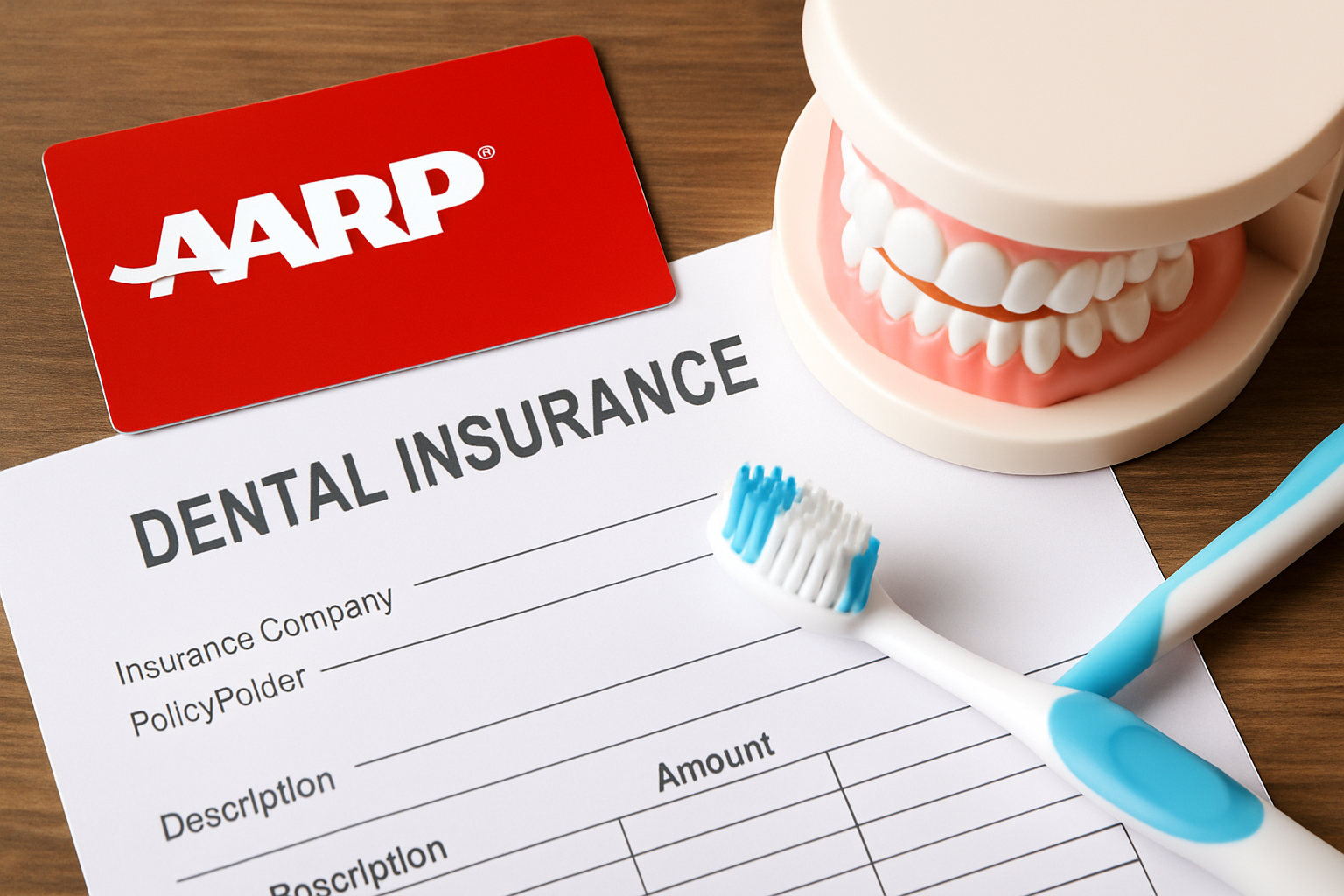
Understanding AARP Dental Insurance
For many, maintaining dental health as they age is a priority, yet it can also become a concern due to the rising cost of dental care. AARP Dental Insurance is a program that promises to alleviate some of the financial stress related to dental services for its members. But what exactly does it offer, and is it the right choice for you? In this article, we will dive deep into the specifics of AARP Dental Insurance, highlighting what members need to know.
What Is AARP Dental Insurance?
AARP, the American Association of Retired Persons, is well known for offering various benefits to its members, including insurance products. AARP Dental Insurance is provided through Delta Dental, which is one of the largest dental insurance providers in the United States. The program is designed to cater specifically to the needs of individuals aged 50 and above, offering them affordable and comprehensive coverage options.
Coverage Options
AARP Dental Insurance offers two types of plans:
- AARP Dental Plan A: This plan generally has a higher monthly premium but offers lower copayments for services and a wider range of covered dental services. It covers procedures such as cleanings, exams, fillings, extractions, dentures, and other necessary dental work.
- AARP Dental Plan B: This plan might have a lower monthly premium, but it typically results in higher copayments and a more limited range of coverage. It's designed for individuals who need only basic preventive care and are willing to pay more out-of-pocket for more extensive dental work.
Key Benefits of AARP Dental Insurance
Dental insurance through AARP provides a myriad of advantages for seniors. Among these are:
- Preventive Care: Regular checkups and cleanings are often covered at 100%, which helps maintain dental health and prevent more serious issues.
- Network of Dentists: Access to a vast network of dental professionals across the country ensures that members can find convenient care without traveling far.
- No Wait Times for Preventive Services: Unlike some other dental insurance plans, AARP Dental Insurance doesn’t have waiting periods for services like cleanings and exams.
- Customization: The option to choose between different levels of coverage allows individuals to select a plan that best fits their needs and budget.
How Much Does It Cost?
The cost of AARP Dental Insurance varies based on the plan chosen and the state of residence. Typically, monthly premiums for Plan A are higher due to the increased level of coverage, while Plan B is more affordable but offers less expansive coverage. On average, monthly premiums can range from $20 to $60. Additionally, members should consider out-of-pocket costs, such as deductibles and copayments, when evaluating the overall cost.
Eligibility and Enrollment
To enroll in AARP Dental Insurance, you must be an AARP member, which is available to individuals aged 50 and over. The enrollment process is straightforward, often handled online or over the phone. Importantly, there is typically no medical examination required, making it easier and faster to gain coverage.
Is AARP Dental Insurance Right for You?
Whether AARP Dental Insurance is right for you depends on your individual dental care needs, budget, and general health. It is particularly advantageous for those seeking an affordable insurance option that covers both preventive and, in some cases, more extensive procedures. However, individuals with specific dental health needs or those who prefer a lower premium plan might find that other options better suit their requirements.
Recent Trends in Dental Health Among Seniors
According to recent statistics from the CDC, around two-thirds of adults aged 65 and older have complete tooth retention, a significant improvement compared to historical data. Yet, 1 in 5 seniors still suffer from untreated tooth decay. Hence, dental insurance plays a critical role in mitigating the risk of dental conditions going untreated.
Conclusion
When it comes to safeguarding your dental health, knowledge, and preparation are key. Understanding the ins and outs of AARP Dental Insurance allows you to make an informed decision that aligns with your health needs and financial situation. If you are an AARP member or considering joining, exploring their dental insurance options could be a valuable step toward maintaining your dental health in your senior years.
Resources for Further Information
For more detailed information, you can refer to the following resources: