Essential Insights Before Considering Weight Loss Injections
Considering weight loss injections? Discover the essentials before taking the plunge. Weight loss injections may support your journey, but they’re not magic solutions. Learn about potential benefits, considerations, and what to discuss with your healthcare provider.
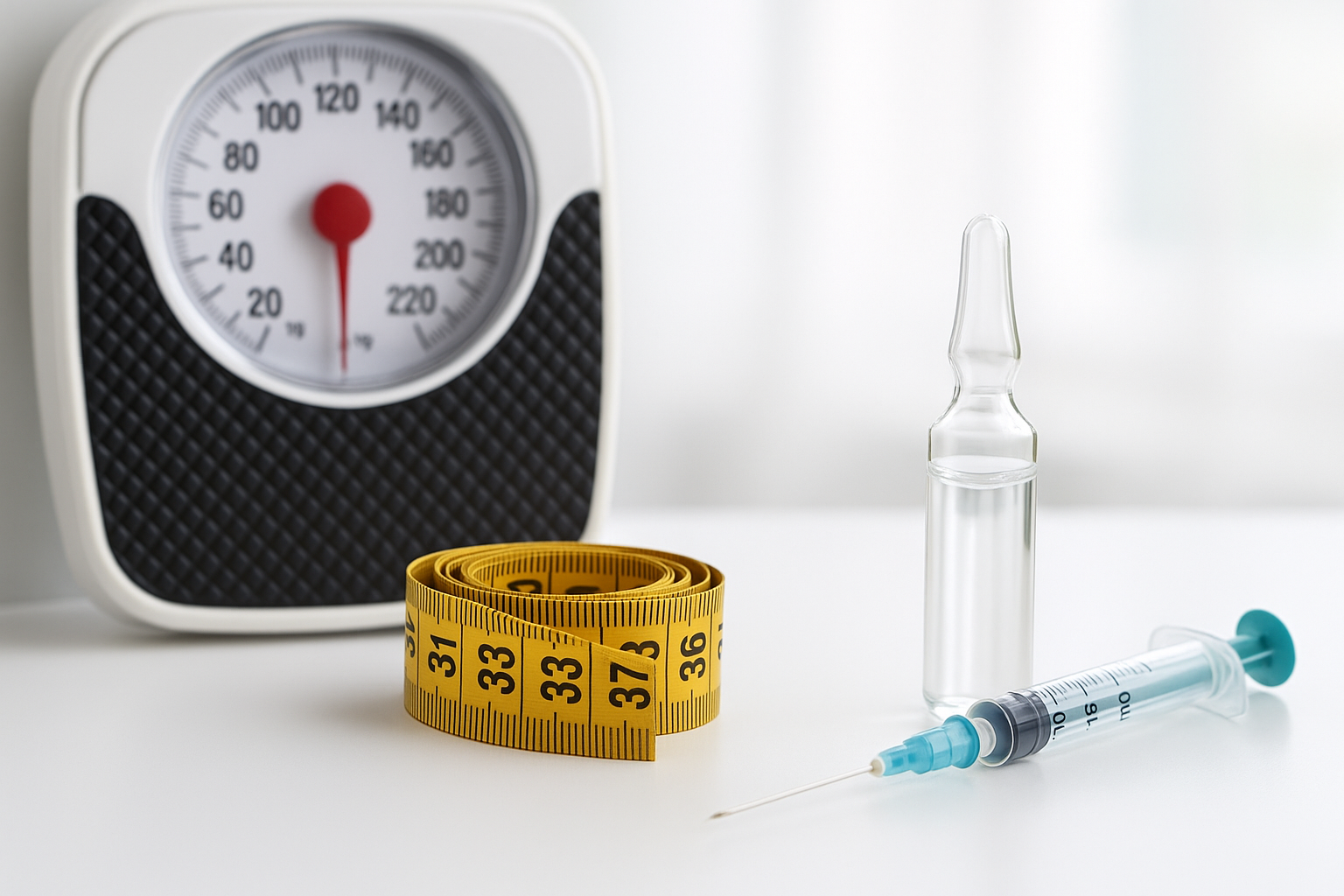
Understanding Weight Loss Injections: A Comprehensive Guide
What Are Weight Loss Injections?
Weight loss injections have gained popularity as a potential solution for those struggling to shed unwanted pounds. These injections often contain medications that can help facilitate weight loss by suppressing appetite, increasing metabolism, or altering the digestion process. Popular weight loss injections include GLP-1 receptor agonists like semaglutide, commonly known by the brand name Ozempic, and the recently introduced Tirzepatide.
How Do Weight Loss Injections Work?
The mechanism of action varies depending on the specific medication used in the injection. For instance:
- GLP-1 Receptor Agonists: Medications such as semaglutide work by mimicking the hormone GLP-1, which plays a crucial role in regulating appetite and insulin secretion. By activating these receptors, the medication helps you feel fuller longer and may even impact metabolic rate, making it easier to lose weight.
- Insulin Sensitizers: Some weight loss injections improve how your body responds to insulin, reducing the tendency to store fat and aiding in more effective energy use.
It's essential to understand that these injections are part of a comprehensive weight management plan that should include lifestyle modifications such as a balanced diet and regular physical activity.
Who Should Consider Weight Loss Injections?
Weight loss injections are typically recommended for individuals who have:
- A body mass index (BMI) of 30 or higher
- A BMI of 27 or higher with obesity-related health conditions, such as type 2 diabetes or hypertension
- Tried and struggled with traditional weight loss methods
Consultation with a healthcare provider is crucial before starting any weight loss treatment, as they can assess your overall health and determine whether this option is suitable for you.
Potential Side Effects and Risks
Like all medications, weight loss injections may come with potential side effects. Common side effects include:
- Nausea: Often the most frequent complaint, especially at the beginning of treatment as your body adjusts.
- Digestive Issues: These might include diarrhea, constipation, or stomach upset.
- Hypoglycemia: Especially for injections that affect insulin levels, low blood sugar can occur, necessitating careful monitoring.
There may also be more severe risks depending on the individual's health profile, such as thyroid tumors, pancreatitis, or gallbladder disease, which should be carefully discussed with your healthcare provider. It is vital to report any unusual symptoms as soon as they occur.
The Efficacy of Weight Loss Injections
Recent studies have demonstrated promising results for weight loss injections. For example, a 2026 study published in the New England Journal of Medicine highlighted that participants using semaglutide injections lost an average of 15-20% of their body weight over one year, compared to the placebo group, which lost about 2-4% [source].
While this points to significant weight reduction, results can vary depending on one's adherence to lifestyle recommendations and individual metabolic factors.
Cost and Accessibility
The cost of weight loss injections can be a significant consideration. These treatments can be expensive and not always covered by insurance, potentially ranging from $900 to $1,500 per month without coverage. However, some plans may provide partial reimbursement if specific criteria are met.
Assistance programs from the manufacturers may also be available to help offset these costs.
Alternative Weight Loss Methods
While weight loss injections can be effective, they are not the only solution. Other options include:
- Behavioral Interventions: Programs focusing on diet changes, physical activity, and behavioral therapy can significantly affect weight loss.
- Prescription Weight-Loss Medications: Oral treatments such as phentermine or orlistat may be viable alternatives for those who prefer not to use injectables.
- Surgical Options: For those with severe obesity, bariatric surgery might be considered a more definitive intervention.
Each option comes with its own set of risks and benefits, and discussing these with a healthcare provider can help tailor a plan that best suits an individual’s health needs.
Conclusion
Weight loss injections represent a powerful tool in the ongoing battle against obesity, offering hope to those who have struggled to achieve weight loss through traditional means. However, they are not a quick fix. Comprehensive lifestyle changes and medical guidance remain crucial for sustainable outcomes.
As always, consult with a healthcare professional to explore whether weight loss injections could be a productive addition to your weight management strategy.