Essential Insights for Choosing the Right Polycarbonate Roofing
Curious about enhancing your outdoor space? Dive into our comprehensive guide on polycarbonate roofings. Discover why these modern solutions are gaining popularity for their durability and versatility in various weather conditions.
Understanding Polycarbonate Roofings: What Are They?
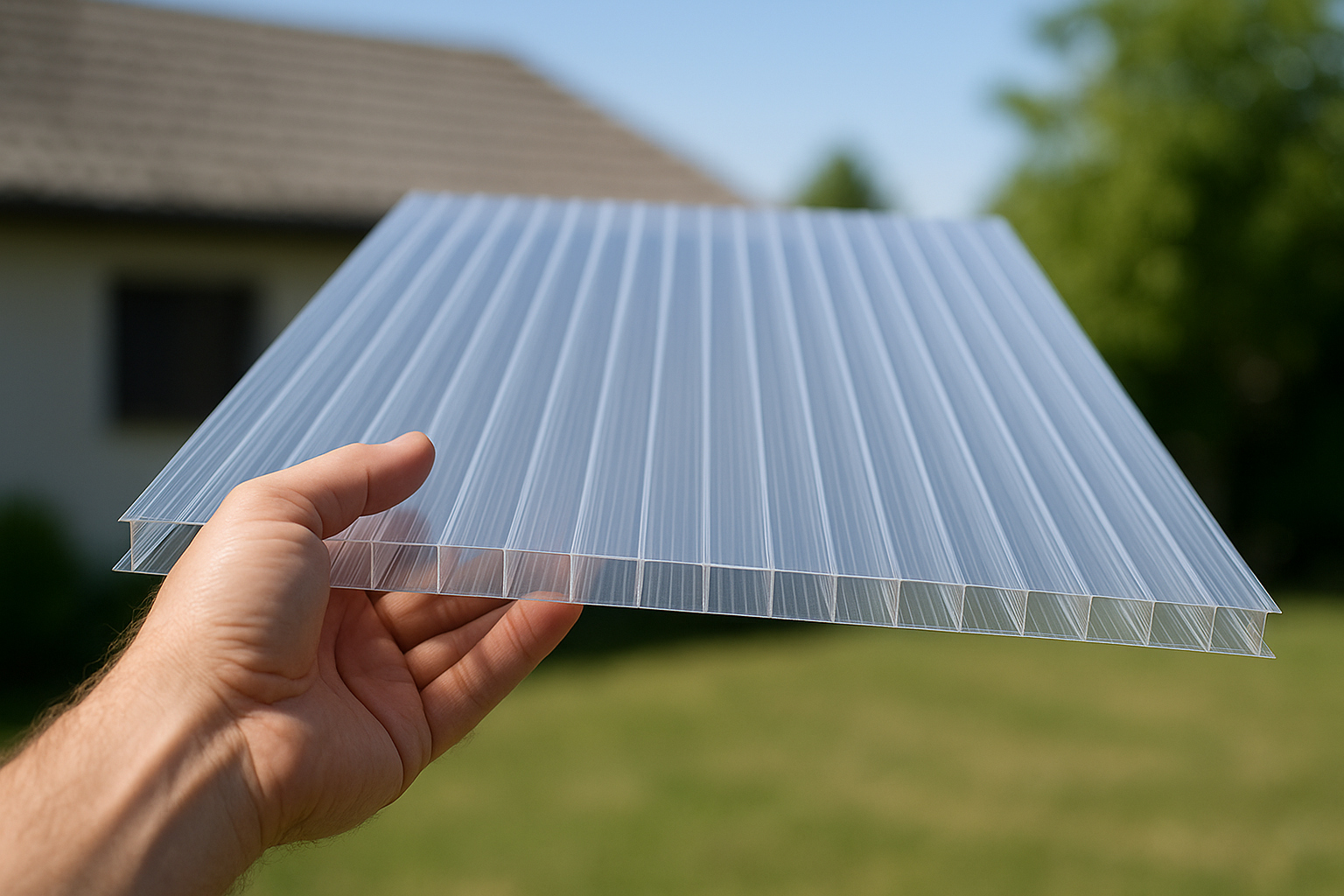
Polycarbonate roofings are becoming increasingly popular in both residential and commercial buildings due to their durability, light transmission capabilities, and versatility. But what exactly are polycarbonate roofings? Polycarbonate is a type of thermoplastic that is known for its toughness and resistance to impact. It's often used in applications where safety and performance are essential, such as in eyewear lenses and bulletproof windows.
Types of Polycarbonate Roofings
There are different types of polycarbonate roofing sheets available, each suited to specific needs:
- Solid Polycarbonate Sheets: These offer the transparency of glass with enhanced strength, making them ideal for skylights and clear roofs.
- Multiwall Polycarbonate Sheets: Known for their excellent insulation properties, these sheets trap air between layers, reducing the transfer of heat.
- Corrugated Polycarbonate Sheets: These are typically used for industrial and agricultural buildings because of their high strength-to-weight ratio.
Benefits of Polycarbonate Roofings
Choosing polycarbonate roofings as part of your building material can introduce several benefits:
Durability and Impact Resistance
Polycarbonate is known for being 250 times stronger than glass and 30 times stronger than acrylic. This makes it a reliable choice in regions prone to harsh weather conditions, such as hail storms. The material’s resilience ensures long-lasting service life.
Light Transmission
One of the standout features of polycarbonate is its ability to transmit up to 90% of light, comparable to glass, while filtering out harmful UV rays. This makes it an excellent choice for greenhouses, conservatories, or areas where natural lighting is preferred.
Versatility
Thanks to its flexibility, polycarbonate can be molded and customized to fit various architectural designs and applications. It is available in multiple colors and finishes to complement any home or commercial structure.
Installation and Maintenance Considerations
When opting for polycarbonate roofings, it’s crucial to understand the installation and maintenance aspects:
Installation Tips
Although installation can be a DIY project, it's advisable to consult or hire a professional for optimal results:
- Pre-drilling: Ensure holes are pre-drilled in the sheets to account for thermal expansion.
- Sealants: Use the right sealants to prevent leaks and enhance weatherproofing.
- Support Structures: Make sure the framing or supporting structure can accommodate the sheets' weight and expansion properties.
Maintenance Tips
Maintenance for polycarbonate roofing is relatively straightforward:
- Regular Cleaning: Use mild soapy water and a soft cloth to prevent scratches. Avoid abrasive cleaners.
- Inspect for Damage: Regularly check for any signs of wear, cracks, or leaks and address them promptly to maintain integrity.
Environmental Impact and Sustainability
In 2026, sustainability is a significant factor in building material selection. Polycarbonate roofings score well on this front:
Insulation Properties
Multiwall polycarbonate sheets provide excellent heat retention and insulation, leading to energy savings in heating and cooling, especially in commercial climates. These factors contribute to reduced carbon footprints.
Recyclability
Polycarbonate materials are recycle-friendly. At the end of their life cycle, they can be processed and reused in various applications, supporting circular economy models.
Real-World Applications and Success Stories
Numerous projects globally illustrate the effectiveness and potential of polycarbonate roofings. For instance, the recent renovation of the Taipei Nankang Exhibition Center leveraged multiwall polycarbonate sheets to ensure both aesthetic appeal and sustainability.
Another example is using polycarbonate sheets in urban agriculture projects in New York City, where rooftop greenhouses benefit from the material’s light transmission and insulation properties, supporting local food production.
Conclusion
Polycarbonate roofings offer a combination of durability, flexibility, and energy efficiency, making them a sound choice for modern buildings. Whether you're seeking a material that enhances natural lighting or searching for a sustainable roofing option, polycarbonate holds notable advantages. For more technical insights and options suitable for your specific project needs, consider exploring resources from reputable manufacturers and industry experts.
For more information, you might find these resources valuable: Plastics Info Polycarbonate Guide, Building Design 2026 Benefits of Polycarbonate Roofing.