Essential Pelvic Floor Exercises Every Woman Can Do at Home
Discover 5 simple pelvic floor moves you can do at home to enhance your core strength and improve overall wellness. These exercises are designed specifically for women and help maintain or gain pelvic health, all from the comfort of home.

Understanding the Pelvic Floor
The pelvic floor is a crucial group of muscles located in the base of the pelvis. These muscles play an essential role in supporting the pelvic organs, including the bladder, intestines, and uterus in women. A strong pelvic floor contributes to core stability and helps in maintaining optimal function of the urinary and fecal continence mechanisms. However, due to factors like childbirth, aging, or surgery, the pelvic floor muscles can become weakened, leading to issues such as incontinence or pelvic organ prolapse.
The Importance of Pelvic Floor Exercises
Pelvic floor exercises, commonly known as Kegel exercises, are designed to strengthen these muscles. Engaging in regular pelvic floor exercises can enhance bladder control, reduce the risk of prolapse, and improve sexual function. For women, these exercises are particularly beneficial during pregnancy and postpartum recovery. In addition to physical benefits, pelvic floor exercises can also boost self-confidence and contribute to overall well-being.
Five Essential Pelvic Floor Exercises to Do at Home
Kegel Exercises
Kegel exercises involve the contraction and relaxation of pelvic floor muscles. To perform a Kegel, imagine you are trying to stop the flow of urine. Hold the contraction for a count of five, then relax for five seconds. Repeat this process ten times for one set, and aim to perform three sets per day. It’s important to isolate the pelvic muscles, avoiding contraction of the abdomen, thighs, or buttocks.
Bridge
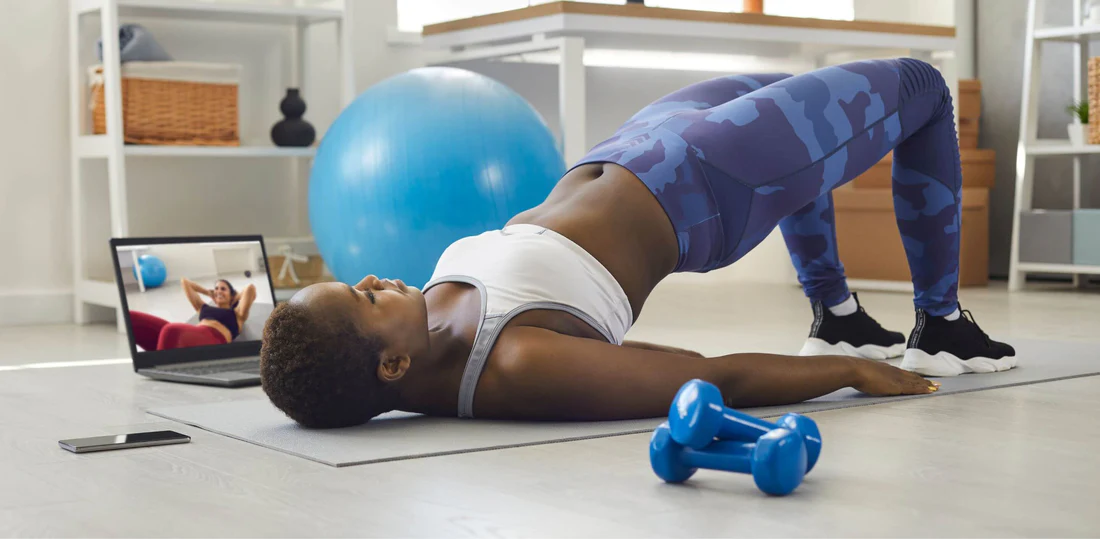
The bridge exercise strengthens not only the pelvic floor but also the glutes and hamstrings. Begin by lying on your back with knees bent and feet flat on the floor. Slowly lift your hips towards the ceiling as you contract your pelvic muscles. Pause at the top for a few seconds before lowering back down. Perform this exercise in sets of 10-15 repetitions.
Squats
Squats are excellent for overall lower body strength, including the pelvic floor. Stand with feet shoulder-width apart, keeping chest upright. Slowly lower into a squat position as if sitting back into a chair, ensuring knees don’t extend past toes. Press through the heels to return to standing. Perform 10-15 repetitions in a controlled manner.
Supine Toe Taps
This exercise targets the core and pelvic floor simultaneously. Lie on your back with legs lifted and knees bent at a 90-degree angle. Engage your pelvic floor as you lower one foot to tap on the ground, then return to the start position. Alternate with the other foot and repeat for a total of 10-20 taps per leg.
Bird Dog
Bird Dog is a core stability exercise that benefits pelvic floor function. Begin on hands and knees in a tabletop position. Extend opposite arm and leg simultaneously, keeping the torso stable. Hold for a moment, engaging the core and pelvic floor, before returning to the original position. Alternate sides for 10-15 repetitions per side.
Tips for Success
It is important to stay consistent with these exercises to see results. Adding a few minutes of pelvic floor work to your daily routine can yield significant benefits over time. It's vital to focus on proper form and muscle isolation during exercises to avoid straining other areas of the body. Consider consulting with a healthcare provider or physical therapist, especially if you're unsure about technique or have specific concerns about your pelvic health.
Additional Resources and Helpful Information
To deepen your understanding and practice of pelvic floor health, there are various resources available. Books like "Pelvic Power" by Eric Franklin offer insights and further exercises. Online platforms, such as the Pelvic Floor First website, provide guidance and resources tailored to individuals seeking to improve their pelvic health. For those preferring visual instruction, YouTube channels dedicated to pelvic exercises can be a useful resource.