Essential Tips for a Smooth Transition to Life in Nova Scotia
Thinking about moving to Nova Scotia? Discover its charming lifestyle and picturesque landscapes that are attracting new residents daily. From vibrant cities to serene coastal towns, Nova Scotia offers something for everyone.
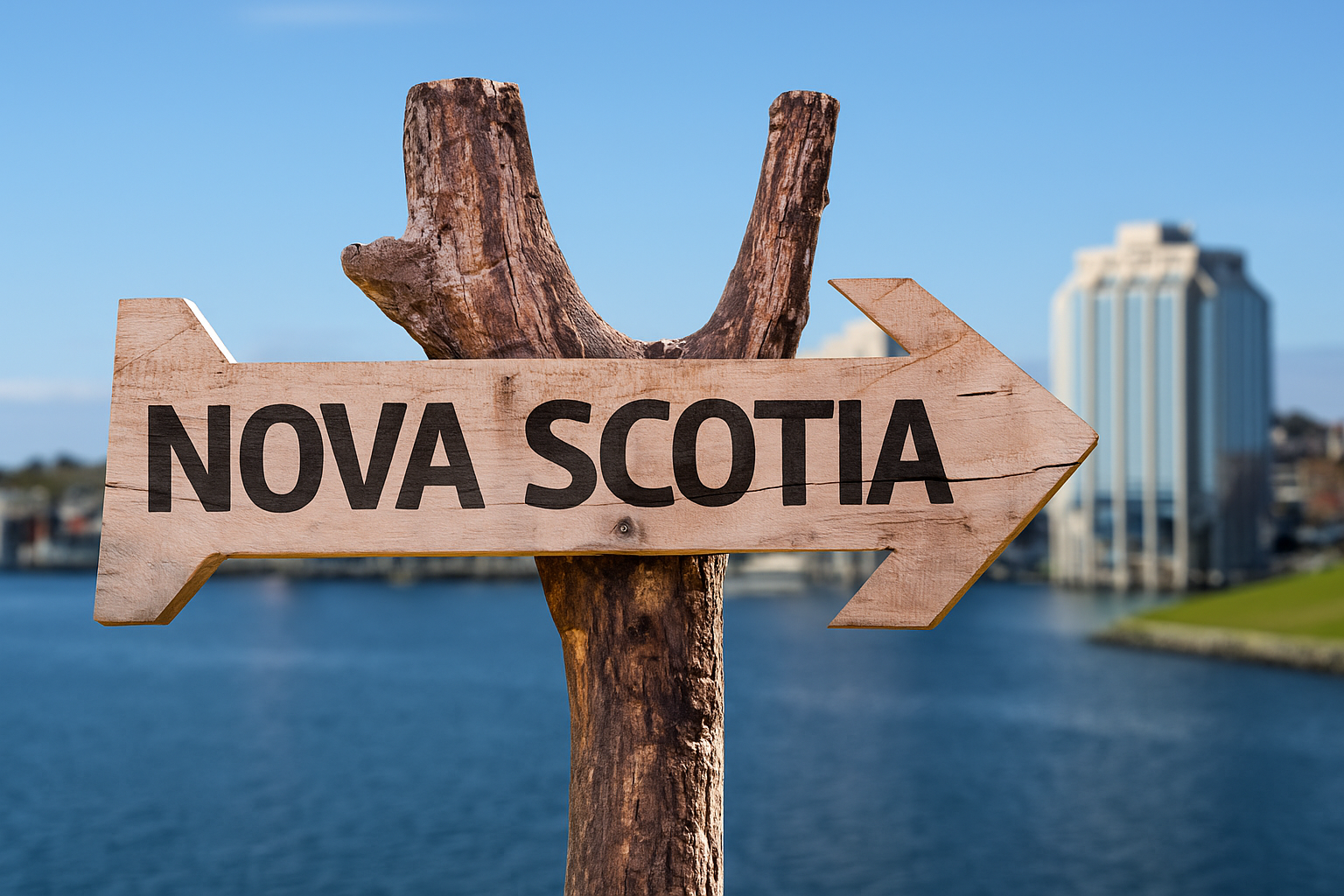
Introduction to Moving to Nova Scotia
If you're considering making the move to Nova Scotia, you're not alone. The province, known for its stunning coastlines, friendly communities, and affordable living, is attracting newcomers from across Canada and beyond. But what should you know before packing your bags? This comprehensive guide will answer your pressing questions and provide valuable insights to make your transition as seamless as possible.
Understanding Nova Scotia’s Lifestyle
Community and Culture
Nova Scotia is renowned for its welcoming communities and vibrant cultural scene. From the rich history of Halifax to the quaint charm of Lunenburg, each town offers its own unique vibe. The pace of life here tends to be more relaxed than in larger Canadian cities, making it an attractive option for those looking to enjoy a slower, more community-focused lifestyle.
Cost of Living
One of the key attractions of moving to Nova Scotia is the affordable cost of living. According to recent data from 2026, the average home price in Halifax is approximately $480,000 CAD, significantly lower than cities like Toronto or Vancouver. The cost of utilities and groceries also tends to be more affordable, allowing for a quality lifestyle without breaking the bank.
Employment Opportunities in Nova Scotia
Employment prospects in Nova Scotia have been improving steadily. The province's economy is diverse, with growing sectors in technology, renewable energy, and ocean sciences. The tech industry, in particular, has seen a boom, with companies like IBM and Ubisoft establishing a presence in the region.
Top Industries
- Information Technology
- Tourism and Hospitality
- Education and Academia
- Healthcare
- Agriculture and Aquaculture
Job Market Trends
Nova Scotia's job market is growing, with a focus on attracting young talent and international professionals. According to the Nova Scotia Labour Market Report 2026, the unemployment rate is at a decade low, sitting at 5.6%, down from 6.3% in 2025. The province's initiatives to stimulate job creation in high-tech and emerging sectors have played a crucial role in this trend.
Education and Healthcare in Nova Scotia
Educational Facilities
Nova Scotia boasts a variety of quality educational institutions, from primary schools to universities. Halifax is home to major universities like Dalhousie University and Saint Mary's University, which are known for their research excellence and diverse programs. The provincial government significantly invests in education, ensuring modern, accessible facilities and curricula.
Healthcare System
The healthcare system in Nova Scotia is robust, with a network of hospitals and clinics across the province. Residents benefit from a publicly funded healthcare system, with recent investments geared towards improving services and reducing wait times. The province also emphasizes mental health services, recognizing the importance of comprehensive care.
Climate and Geography
Climate Considerations
The climate in Nova Scotia is temperate, with cold, snowy winters and warm summers. The coastal geography influences weather patterns, often resulting in milder winters than in inland Canada. However, newcomers should be prepared for a variety of weather conditions, including occasional coastal storms.
Natural Beauty and Outdoor Activities
Nova Scotia’s natural beauty is one of its greatest assets. From Cape Breton's highlands to the Annapolis Valley's vineyards, the province offers a wealth of outdoor activities such as hiking, sailing, and whale watching. Residents and visitors alike treasure the access to nature and the opportunity to experience the breathtaking landscapes.
Transportation and Infrastructure
Getting Around
Transportation in Nova Scotia is well-supported by a network of highways and public transit options, especially within urban centers like Halifax. For those living in more rural settings, having a personal vehicle is often necessary. Halifax Stanfield International Airport connects Nova Scotia to the rest of Canada and international destinations, facilitating travel.
Infrastructure Improvements
The provincial government is committed to improving infrastructure, with recent projects focusing on road improvements and public transportation expansions. These developments are designed to support growing populations and economic expansion, ensuring that the infrastructure keeps pace with community needs.
Steps to Settle in Nova Scotia
Choosing the Right Location
Finding the right place to live in Nova Scotia depends on your lifestyle preferences and needs. Halifax is ideal for those looking for urban amenities, while towns like Wolfville offer a quieter, small-town atmosphere. Research each area’s amenities, job market, and community characteristics to find the right fit.
Legal and Administrative Steps
To settle in Nova Scotia, you’ll need to complete several administrative tasks. This includes changing your address, registering your vehicle, and enrolling in the Nova Scotia Health Insurance Program. Make a checklist to ensure you’ve covered all necessary steps within the first few weeks of your move.
Conclusion
Nova Scotia presents a dynamic mix of opportunity, community, and natural beauty, making it an appealing destination for individuals and families looking to relocate. By understanding the province's lifestyle, economic prospects, and practical steps involved in moving, you can make a smooth transition to your new home. Whether you're seeking a vibrant urban life or a serene rural setting, you'll find a place in Nova Scotia that fits your needs.
Further Reading and Sources: