Essential Tips for Buying Quality Used Farm Tractors
Discover everything you need to know about buying used farm tractors for sale in our comprehensive guide. Whether you're looking to save money or find a reliable machine for your farming needs, we've got tips and insights to help you make an informed choice.
Understanding the Market for Used Farm Tractors
Used farm tractors can offer significant savings compared to new models, but navigating the market can be a challenge. It's crucial to understand the factors that influence pricing, the most reliable tractor brands, and common buying pitfalls.
According to a 2026 agricultural market report, the demand for used farm equipment has increased by 15% since 2025, driven by a surge in sustainable farming practices and cost-conscious operations.
Factors Affecting Pricing
Various elements influence the cost of used tractors. These include the tractor's age, hours of use, brand reputation, condition, and the technology it comes equipped with.
- Age: Older models are typically cheaper, but may require more maintenance.
- Hours of Use: Less-used tractors are preferable, as they suggest lower potential repair costs.
- Brand: Brands like John Deere and Case IH often hold their value well due to their reputable performance and longevity.
Reliable Used Tractor Brands
Some brands stand out in the used tractor market due to their durability and parts availability. Here's a look at a few trusted names:
- John Deere: Known for their mechanical reliability and ease of repair. The availability of parts and service makes it a go-to choice for many farmers.
- Massey Ferguson: Offers a range of robust models suited for various farming operations. Their global presence ensures easy access to parts and expertise.
- Case IH: Praised for innovation and efficiency, Case IH tractors tend to have strong resale values.
When purchasing a used tractor, consider visiting brand-specific forums or online platforms like Tractor Fanatic to gather user reviews and advice.
Inspection Tips
Conducting a thorough inspection is vital to ensure you don't end up with a money pit. Follow these tips:
Visual Inspection
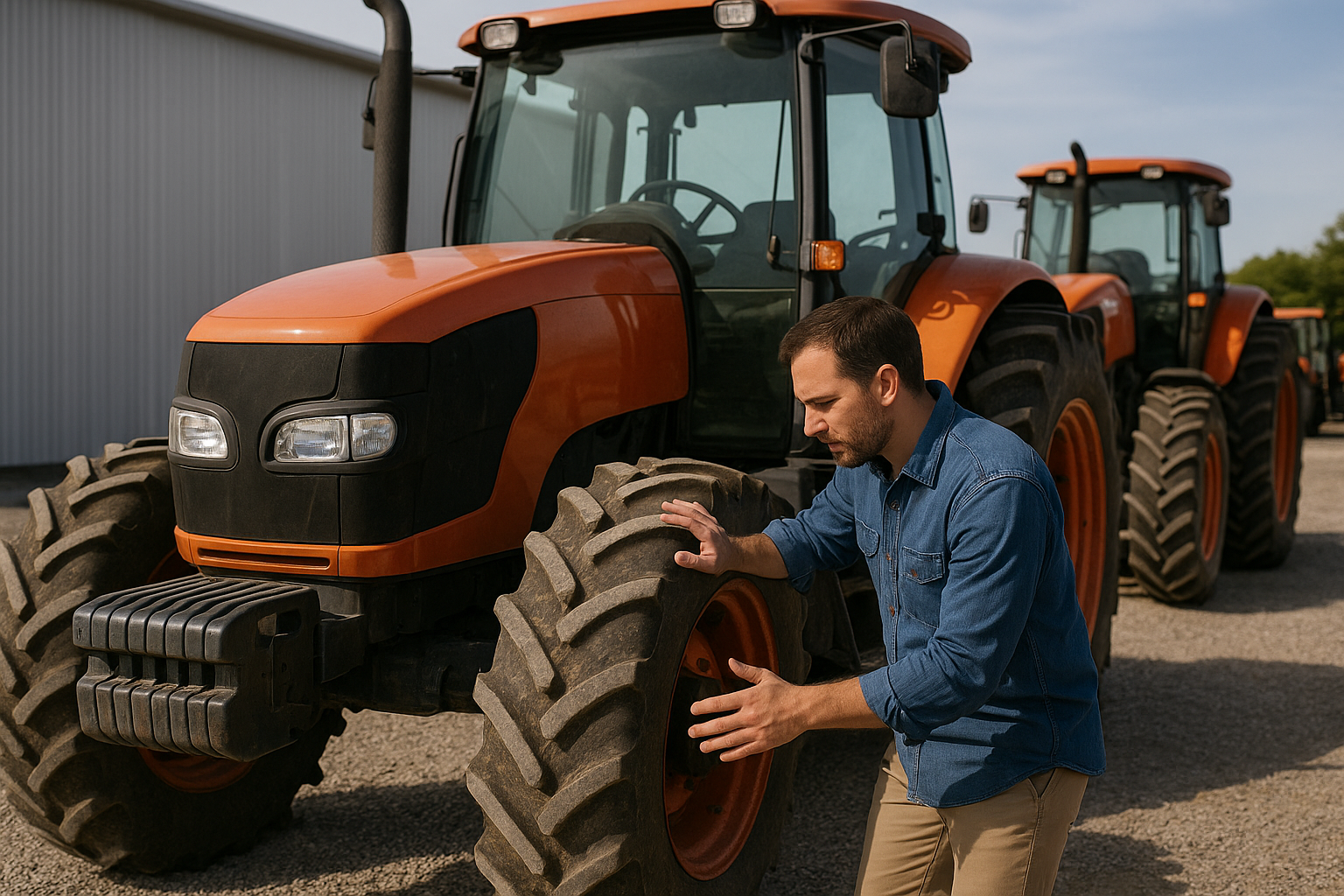
Look for obvious signs of wear and tear, like rust or worn tires. Check the engine compartment, hydraulic hoses, and wiring for any leaks or frayed connections.
Test Drive
Always take the tractor for a test drive. Listen for unusual noises, and ensure all gears and hydraulics function smoothly. This step can reveal issues not visible during a visual check.
Service Records
Request service history documentation to assess how well the tractor has been maintained. Regular servicing is a good indicator of a machine’s long-term reliability.
Financing Options
Many buyers can’t afford to pay the full price upfront. Here’s a brief overview of financing options:
- Bank Loans: Traditional banks offer loans for used equipment, though interest rates might be higher than for new equipment.
- Dealership Financing: Some dealerships offer financing plans, often with competitive rates and flexible terms.
- Government Subsidies: Programs from the USDA or similar bodies sometimes support equipment purchases with low-interest rates.
Ensure to shop around for the best rates and terms. Check platforms like Ag Finance Solutions for comparisons and latest offers.
Concluding Thoughts
Buying a used farm tractor can be a smart investment for your farm, providing excellent utility without the steep costs of new models. By understanding market factors, brand reliability, and inspection processes, you'll be better equipped to make an informed decision. Remember to take your time researching and don't shy away from seeking expert opinions or second-hand testimonies to guide your purchase.
For more information about recent trends and statistics on the used tractor market, visit reputable agricultural resources or consult recent market reports to ensure your decisions are backed by the latest data.