Essential Tips for Choosing the Perfect Generator at Costco
Discover the essentials of choosing a generator at Costco with our comprehensive buying guide. Learn what features to consider and how to find the right match for your needs.
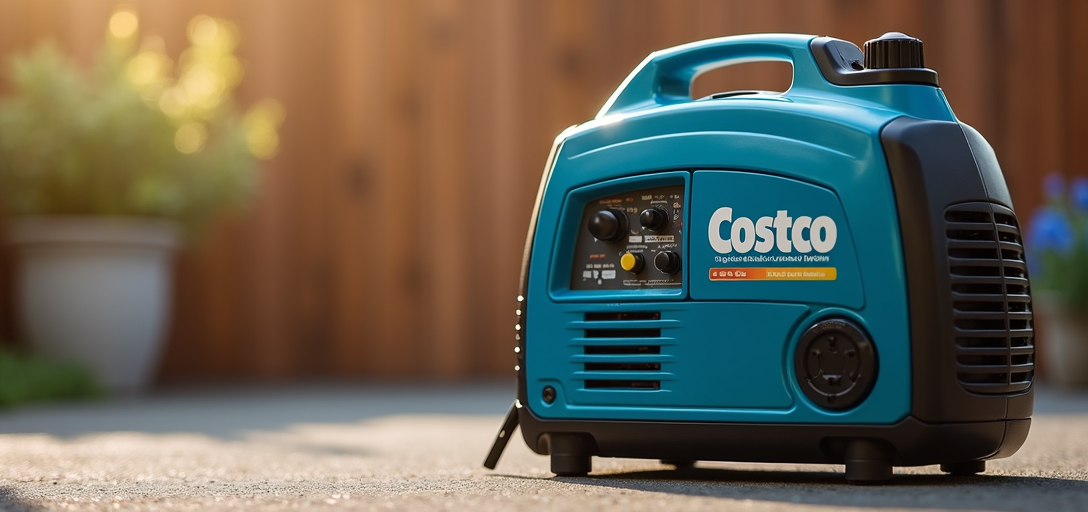
Understanding the Essentials of Buying a Generator from Costco
Costco is a popular destination for finding high-quality generators at competitive prices. However, for many shoppers, understanding what to look for and how to choose the best generator can be overwhelming. This comprehensive guide will walk you through the key considerations and features to help you make an informed decision.
Why Consider a Generator from Costco?
Costco offers a variety of generators that cater to different needs and budgets. Buying from Costco comes with several advantages, such as:
- Competitive Pricing: Due to bulk purchasing, Costco often provides better pricing compared to other retailers.
- Quality Assurance: Costco regularly updates its product line to ensure quality and innovation.
- Return Policy: Costco is known for its customer-friendly return policy, offering peace of mind.
Types of Generators Available
Before selecting a generator, it’s crucial to understand the different types available:
- Portable Generators: These are ideal for temporary power needs, such as during power outages or for outdoor activities. They’re typically fueled by gasoline and are easy to transport.
- Inverter Generators: Known for their efficiency and quiet operation, inverter generators are excellent for sensitive electronics and have variable power output.
- Standby Generators: Permanently installed, these generators automatically power your home during outages and are often powered by natural gas or propane.
Key Features to Consider
When shopping for a generator, consider the following features to ensure it meets your needs:
- Power Output: Measure your power needs in watts. Calculate the total wattage of the devices you plan to power during an outage.
- Fuel Type: Choose between gasoline, propane, natural gas, or diesel. Each has its benefits and drawbacks regarding cost, availability, and efficiency.
- Noise Level: Noise can be an issue with generators. Inverter generators are typically much quieter than traditional models.
- Run Time: The run time at half-load will determine how often you’ll need to refuel during continuous usage.
- Portability: Determine if you need a portable option or if a standby unit better suits your lifestyle and power needs.
Real-World Examples and Use Cases
Different scenarios call for different generator types and specifications. Here’s a look at when each might be appropriate:
- Recreational Use: For camping trips or outdoor events, a portable inverter generator is ideal due to its compact size and quiet operation.
- Home Backup: If the primary concern is powering a whole house during prolonged outages, a standby generator offers the seamless transition and sufficient power.
- Worksite Use: On construction sites or remote locations, a powerful portable generator with rugged durability is often necessary.
FAQs: Answering Your Generator Questions
To wrap up, here are some frequently asked questions from generator buyers:
- What is the lifespan of a generator?
Most generators, if well-maintained, can last between 10,000 to 30,000 hours. The key is regular maintenance and choosing a quality model. - How often should I service my generator?
It’s recommended to service your generator at least once a year, or every 100 hours of use, whichever comes first. - Is propane better than gasoline for generators?
Propane is more environmentally friendly and doesn’t degrade over time like gasoline. However, gasoline can offer more immediate power.
Conclusion
Choosing the right generator requires careful consideration of your specific needs and circumstances. By understanding the types, features, and recent trends, you’re well-equipped to make a decision that ensures your power needs are covered during any situation.
https://www.costco.com/f/-/generator-buying-guide
https://www.costco.com/generators.html