Essential Tips for Identifying Fake Products When Shopping Online
Shopping online can be tricky, especially when it comes to spotting fake or counterfeit products. It's not always easy to tell the difference, but learning key signs can help. Look at seller reviews, product descriptions, and pricing. Authentic products have consistent branding and quality.
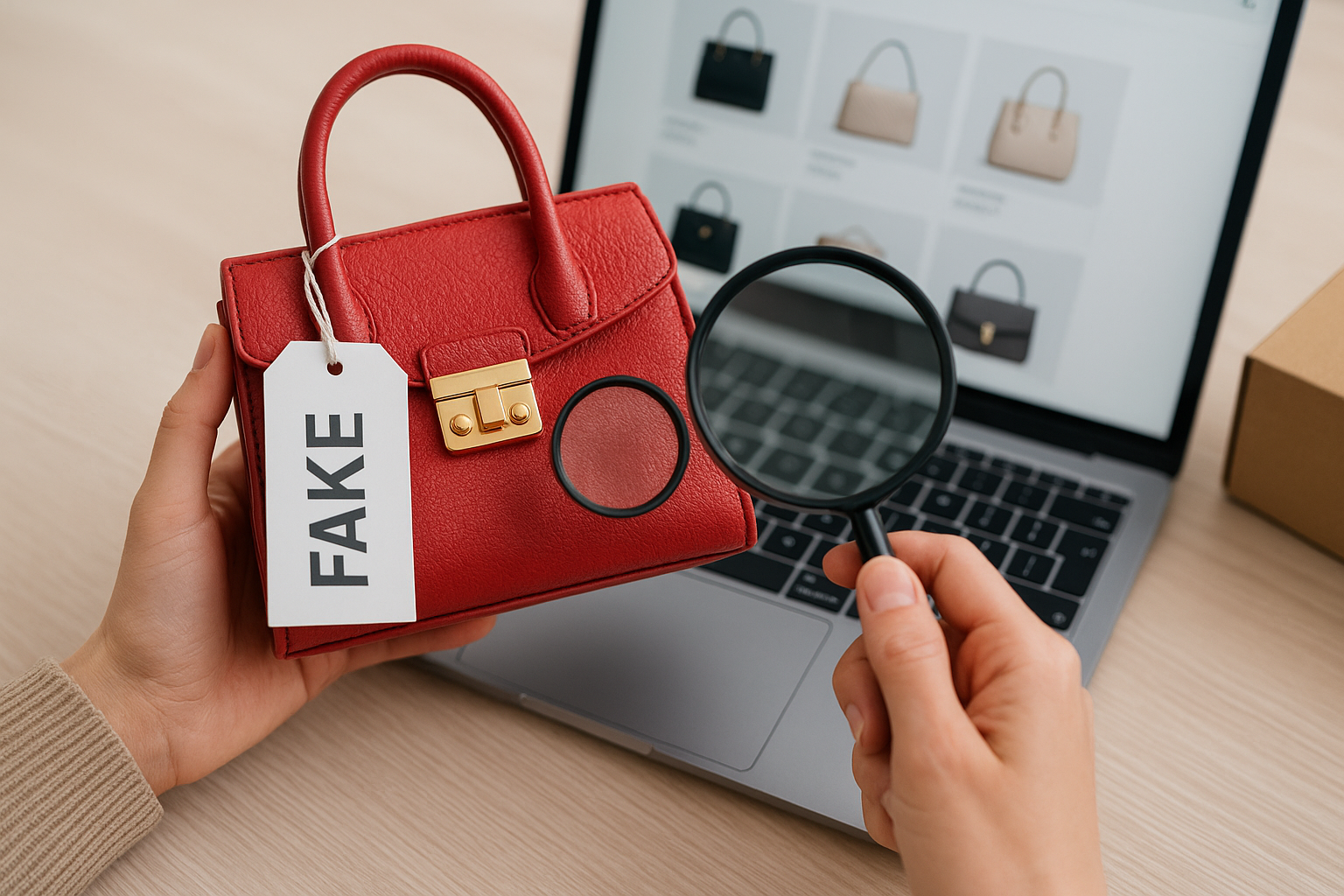
Understanding the Growing Issue of Counterfeit Products
The internet has revolutionized the way we shop, offering countless conveniences but also bringing about new challenges. One such challenge is the proliferation of counterfeit products. In 2026, the global counterfeit market is estimated to exceed $1.82 trillion, according to OECD reports. As online shopping continues to surge, especially in the wake of the increased reliance on e-commerce due to pandemic-induced habits, counterfeiters are becoming more sophisticated, making it essential for consumers to stay informed and vigilant.
Brands across various sectors, from luxury fashion to electronics, are increasingly targeted by counterfeiters. The implications are significant, not only causing financial losses for companies and consumers but also posing potential health and safety risks.
Recognizing Counterfeit Products: Key Indicators
Spotting a fake product requires a keen eye and an understanding of what to look for. Here are some key indicators that can help you identify counterfeit products:
- Price Discrepancy: If a deal seems too good to be true, it probably is. Significant deviations from the standard market price should raise red flags.
- Seller Credibility: Always check the seller’s ratings and reviews. A trustworthy seller is more likely to provide genuine products.
- Product Descriptions and Images: Examine product descriptions for errors or awkward phrasing. Low-quality images or stock photos can be indicative of counterfeit listings.
- Regulatory Logos and Certifications: Many products, especially electronics and cosmetics, should carry certification marks. Verify these logos against official records when possible.
Tools and Strategies for Identifying Counterfeit Products
With technology at your fingertips, equipping yourself with the right tools can enhance your ability to detect fakes:
Use of Apps and Websites
Several digital tools are available that specialize in verifying product authenticity:
- Genuine product apps: Apps like Entrupy provide real-time authentication for luxury goods, employing AI to detect counterfeits with high accuracy.
- Certilogo: This platform allows consumers to verify authenticity directly with brands by entering product codes.
Research and Verify
Doing your homework can save you from falling prey to counterfeiters:
- Brand Websites: Always visit the official website of the product's brand to verify authorized dealers and view descriptions of genuine products.
- Consumer Reports and Reviews: Use sites like Trustpilot and the Better Business Bureau to assess product and seller legitimacy through user experiences.
Steps to Take After Receiving a Counterfeit Product
If you discover that a product you’ve purchased is counterfeit, it’s crucial to know your options for recourse:
Contact the Seller
Your first step should be to contact the seller directly. Reputable platforms such as Amazon and eBay offer buyer protection programs, and many sellers are willing to resolve issues to maintain positive customer relations.
Report to Authorities
Beyond seeking a refund, reporting fraudulent sellers can help prevent others from falling victim. Agencies like the Federal Trade Commission (FTC) and platforms like StopFakes.gov provide resources and avenues for reporting counterfeit goods.
Leave a Review
Your feedback can inform and alert other potential buyers about counterfeit risks associated with specific sellers or products.
The Broader Impact of Counterfeit Products
Counterfeit goods aren't just a nuisance for consumers; they have broader social and economic implications:
Economic Consequences
The damage to brand reputation and their financial losses are substantial. In 2026, industries such as electronics and luxury goods are projected to lose billions due to counterfeit activities. These losses ultimately impact jobs and economic growth.
Health and Safety Risks
Counterfeit pharmaceuticals and electronics can pose serious health risks. For instance, fake medications might lack crucial active ingredients, and counterfeit electronics can be fire hazards, lacking necessary safety elements.
Conclusion: Staying Informed and Vigilant
In the digital age, consumers need to be proactive and informed. By understanding how to identify fake products, utilizing available tools, and taking appropriate actions when encountering counterfeits, you can make safer online purchases.
For further reading, explore resources such as the International Trademark Association's guide on counterfeit goods and the OECD's reports on the economic impact of counterfeiting.