Essential Tips for Preparing Your Immigration Papers
Before you submit immigration papers, it’s crucial to fully understand the process. Navigating immigration paperwork can be complex, and missing a vital detail could delay your plans.
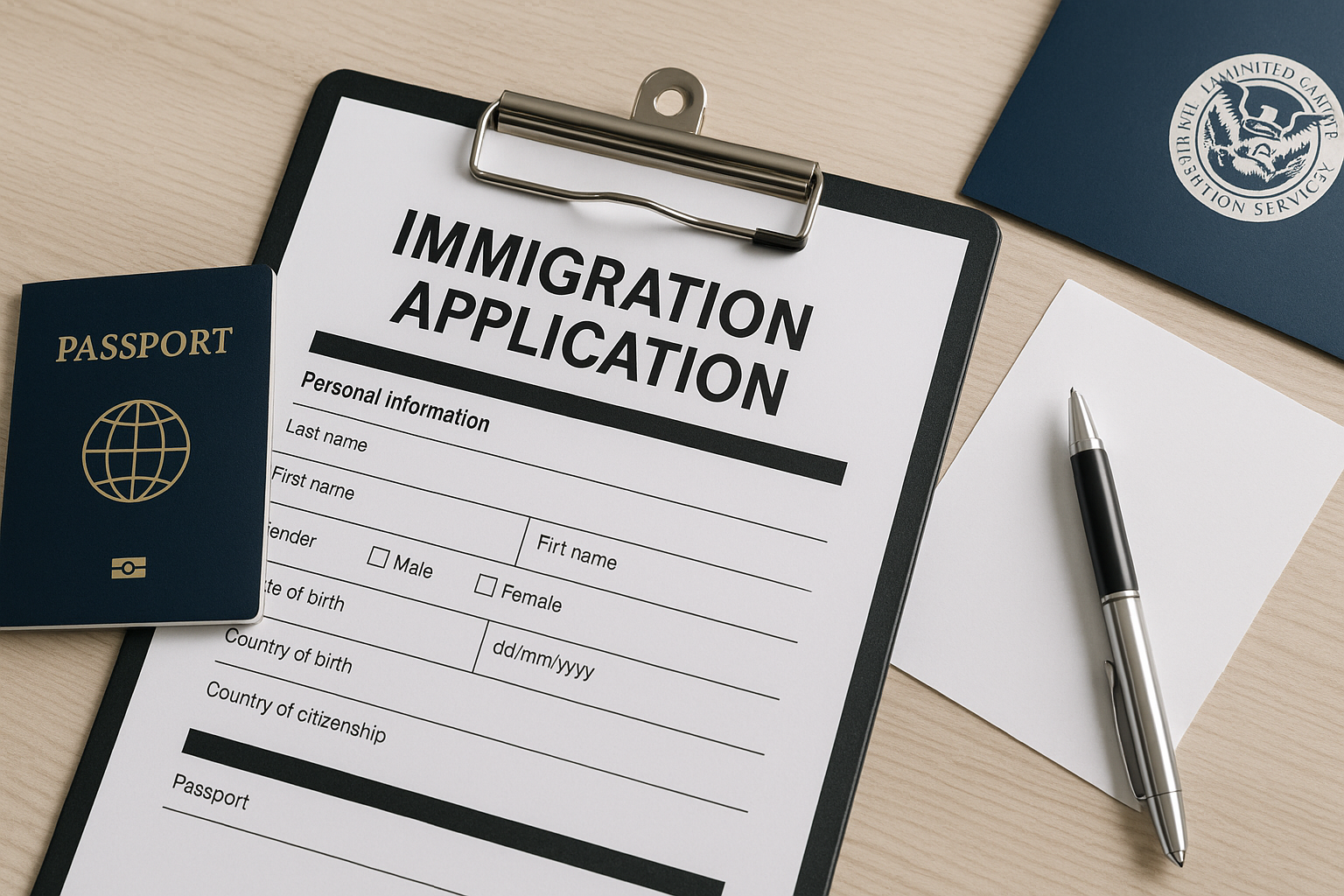
Understanding the Basics of Immigration Papers
Immigration to a new country can be a life-changing opportunity. However, the process involves dealing with an array of paperwork and legalities. It’s crucial to thoroughly understand the nature of immigration papers before you submit them. In this article, we aim to address key questions and concerns one might have when encountering such a topic.
Immigration papers generally include visas, residency applications, work permits, and more. Each of these documents requires careful preparation and accurate information. Any mistakes or omissions can delay or even jeopardize your application.
The Types of Immigration Papers
Depending on your goals and the country you’re moving to, the types of immigration documents you'll need can vary significantly. Here are some of the most common:
- Visas: These are documents that allow you to enter a country for a specific purpose, such as tourism, study, or work. Each visa type has its own criteria and expiration period.
- Residence Permits: If you plan to live in a country for an extended time, you’ll likely need a residence permit. These can vary based on whether you are a temporary or permanent resident.
- Work Permits: For those seeking employment, work permits are usually required. These permits depend heavily on employer sponsorship and certain skill sets.
- Family-based Applications: These involve sponsorship by a relative who is a citizen or permanent resident of the country you wish to move to.
Key Steps Before Submitting Immigration Papers
Research and Prepare Thoroughly
Preparation is key to a successful immigration application. Here are a few steps to consider:
- Research Requirements: Each country has unique requirements for immigration, which can be found on official government websites. Requirements may include background checks, financial statements, health assessments, and proof of accommodation.
- Organize Documentation: Keep your documents up-to-date and organized. This includes your passport, birth certificate, marriage certificate(if applicable), employment records, and academic credentials.
- Stay Updated: Immigration laws can change, impacting your eligibility and the application process. Ensure that you are always reading the latest information and guidelines.
Consult an Immigration Lawyer
The complexities of immigration laws often necessitate expert assistance. Here’s why consulting an immigration lawyer can be beneficial:
- Expert Guidance: Immigration lawyers are well-versed in both current laws and future changes. They can provide insights that you might overlook while preparing alone.
- Error Prevention: Legal experts can review your documents to prevent common errors which might delay your application.
- Representation: In cases where issues arise, having legal representation can make a significant difference in your appeal or application reconsideration process.
Common Mistakes to Avoid
Providing Inaccurate Information
Honesty and precision are vital when filling out your immigration papers. Misrepresenting facts or providing false information can lead to denial or even future bans.
Missing Deadlines
Each immigration process has critical deadlines. Missing these can result in setbacks or the need to restart the process. Keeping track of these dates and setting reminders can help prevent such issues.
Overlooking Financial Requirements
Many immigration processes require proof of financial stability or sponsorship. Make sure you fully understand the financial requirements and are able to demonstrate them through the necessary documentation.
Conclusion: Stay Informed and Prepared
Understanding and preparing for immigration processes is essential to ensure a seamless experience. As of 2026, over 270 million people live outside their birth countries, showcasing the global nature of migration (United Nations). By staying informed, organizing your documentation, and seeking professional advice when needed, you can navigate the complexities of immigration with greater confidence.
For further information, resources such as the United States Citizenship and Immigration Services (USCIS) or equivalent government pages for the specific country can provide additional guidance.