Essential Tips for Restoring Health to Severely Heat-Damaged Hair
Discover expert insights on the most effective ways to repair severe heatdamaged hair. From nourishing treatments to protective styling tips, our guide explores options that could help restore vitality to your hair, without overpromising miracle solutions.
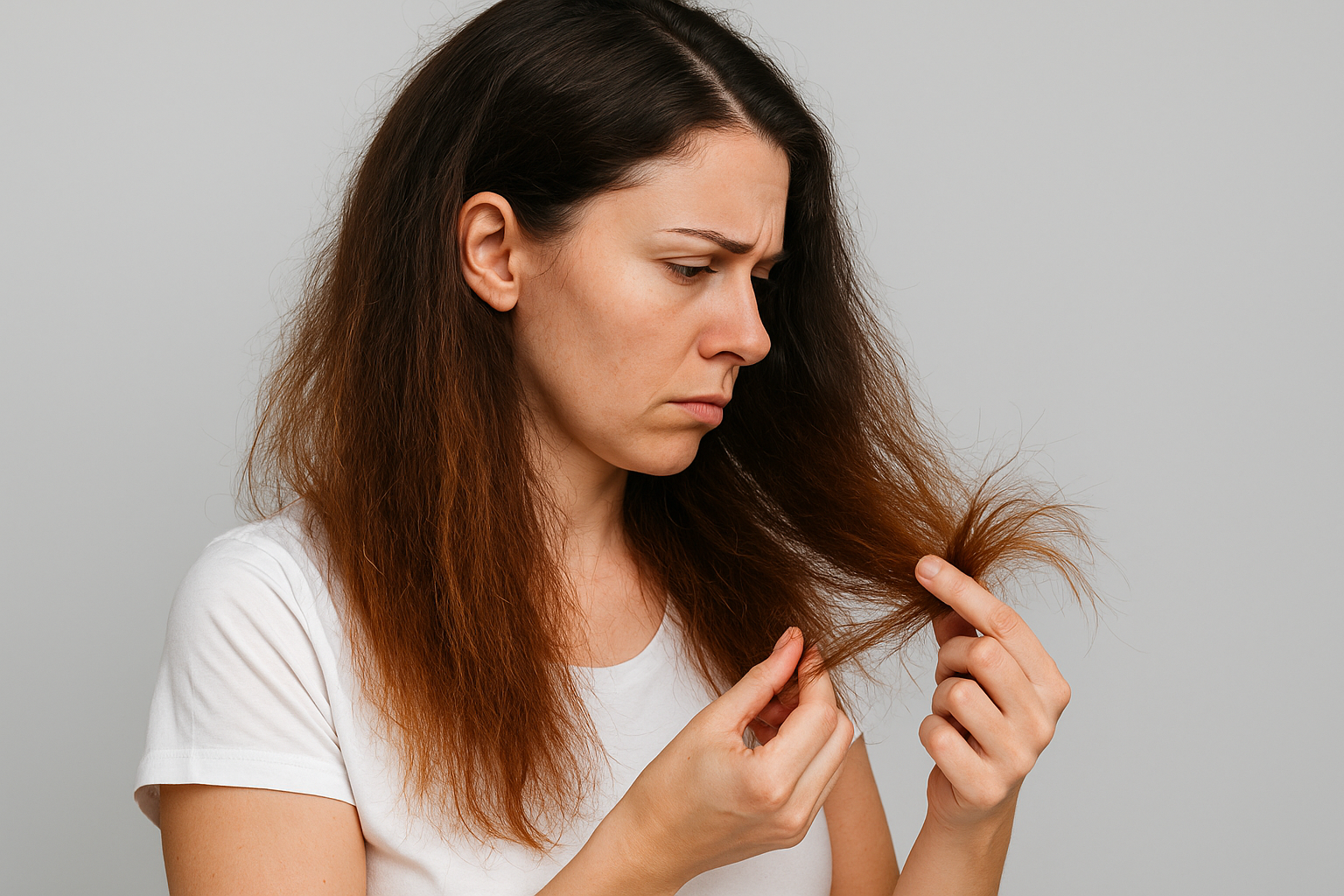
Understanding Heat Damage in Hair
In our quest for different hairstyles, heat-styling tools such as flat irons, curling wands, and blow dryers have become indispensable. However, frequent use of these tools can lead to severe heat-damaged hair, characterized by dryness, brittleness, and breakage. Before diving into the repair methodologies, it’s crucial to understand what heat damage is and how it affects your hair.
What Is Heat-Damaged Hair?
Heat damage occurs when high temperatures alter the internal protein structure of the hair. This typically involves the weakening of disulfide bonds, which provide hair with its strength and elasticity. Over time, this results in hair that is not only lacking moisture but also prone to split ends and breakage.
Signs You Might Have Heat-Damaged Hair
Recognizing heat damage is the first step in addressing it. Look out for these signs:
- Dryness and dullness.
- Increased tangling and difficulty in managing.
- Breakage and split ends.
- Loss of natural curl pattern in curly or wavy hair.
- Rough texture.
Effective Ways to Repair Severe Heat-Damaged Hair
Limit Further Heat Exposure
One of the most effective ways to begin repairing heat-damaged hair is to stop or limit further heat exposure. Opt for air-drying when possible and try less damaging styling alternatives like braiding or using rollers. When you must use heat, consider these alternatives:
- Lower the heat setting on your styling tools.
- Use a heat protectant spray that contains silicones or polymers.
Incorporate Moisturizing Treatments
Moisture is your hair's best friend when combating heat damage. Regular deep conditioning treatments can help restore some of the lost moisture. Ingredients to look for in a moisturizing treatment include:
- Hyaluronic acid for its hydrating properties.
- Coconut oil or argan oil for their nourishing benefits.
- Shea butter for emollient properties.
Protein Treatments
Since heat damage breaks down hair proteins, periodic protein treatments can help replenish them. These treatments work by temporarily patching up weakened spots in the hair shaft. Try to incorporate a protein-rich conditioner into your routine once a month. Consider the following products:
- Keratins products found in some shampoos and conditioners.
- DIY egg or yogurt hair masks for a natural protein boost.
Regular Trims
While you may wish to hold onto every inch of length, sometimes the best approach is to trim the damaged ends. Regular trims can prevent further splitting and promote healthier hair growth in the long run. Aim to trim every 6-8 weeks.
Balanced Diet for Hair Health
Your diet plays a significant role in hair health. Consuming foods rich in vitamins and minerals supports hair restoration from the inside out. Focus on:
- Omega-3 fatty acids found in fish like salmon and flaxseeds.
- Proteins found in chicken, eggs, and legumes.
- Vitamins A, C, and E from vegetables and fruits.
Consult a Professional
If home treatments aren’t delivering the desired results, it may be time to consult a trichologist or a professional hair stylist. These experts can provide tailored solutions such as professional protein treatments or moisture infusion techniques like steam treatments.
Additional Tips for Prevention
Choose the Right Tools
Invest in quality heat-styling tools with adjustable temperature settings. Ceramic or tourmaline-plated options provide even heat distribution and are generally gentler on the hair.
Stay Informed and Adapt
Keeping abreast of the latest hair care research and trends can assist in preemptive measures against heat damage. The field of hair care is constantly evolving with innovative products and techniques that can benefit your hair health.
Conclusion
Repairing severe heat-damaged hair involves a combination of reducing heat exposure, enhancing moisture and protein intake, and nurturing your hair with the right diet and products. While reversal might take some time, consistency and care can eventually restore your hair’s vitality. Remember, patience and the right measures will pave the way to healthier, revitalized hair. For a deeper understanding, trusted resources such as NHI and Integrative Health Care provide further insights into hair care.