Essential Tips from Official Sources for Choosing Debt Relief Solutions
Looking for debt relief? Before making a decision, explore this government-backed guidance to make informed choices. Discover practical tips that could help you navigate options while considering your financial situation.
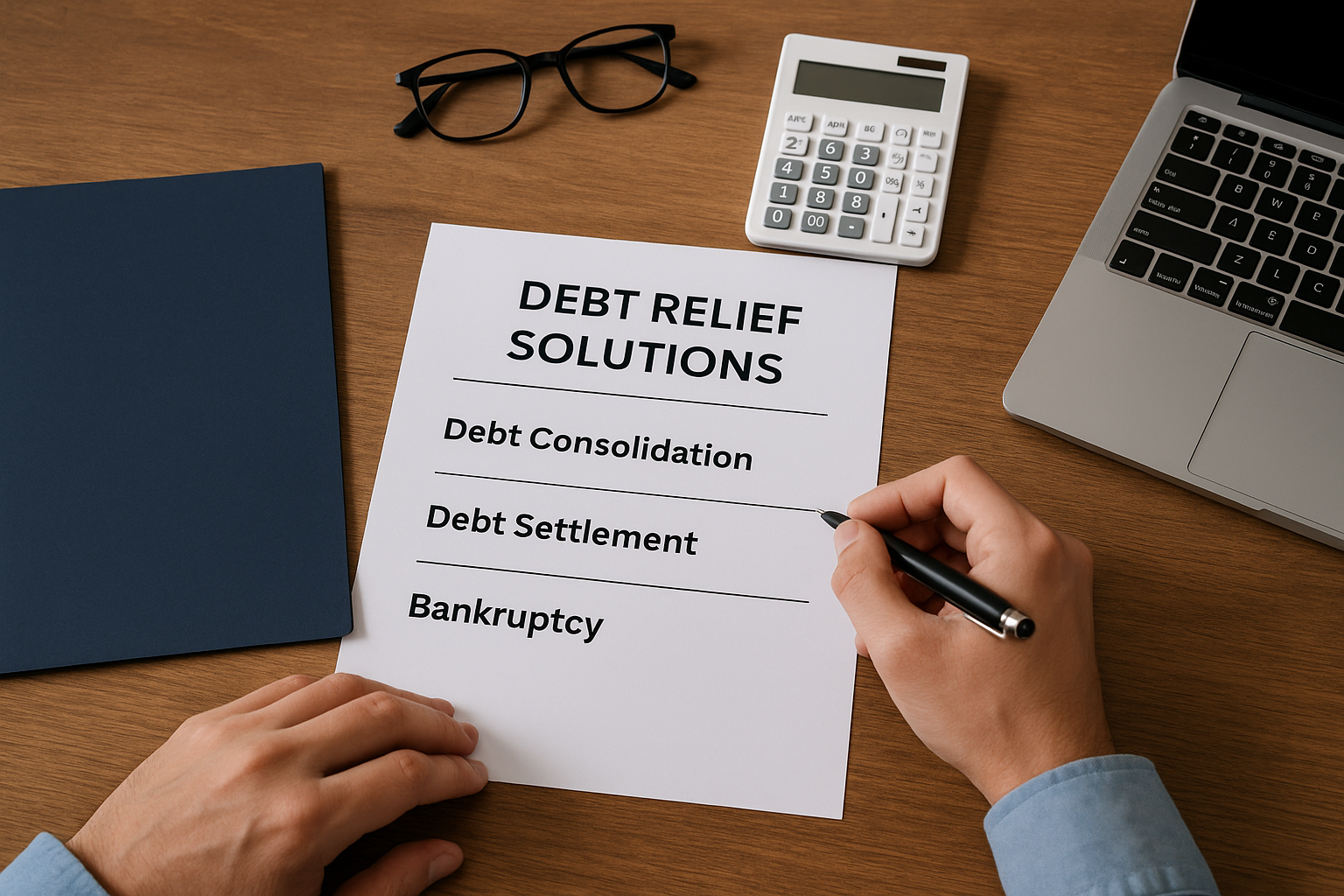
Understanding Debt Relief Options
Debt relief can be a critical option for many, but choosing the right path is essential. It's important to understand what debt relief entails and the various options available to you. Whether you're considering credit counseling, debt settlement, or bankruptcy, having a solid understanding of each can guide you to make a more informed decision.
Types of Debt Relief
There are several pathways to achieve debt relief, each with its own set of advantages and potential drawbacks. Let’s look at some of the most common types:
- Debt Consolidation: This involves taking out a new loan to pay off multiple high-interest debts. This option can simplify payments and potentially reduce interest rates.
- Debt Settlement: Negotiating with creditors to pay a lump sum that is less than the full amount owed. This can be a quick solution, but it may impact your credit score.
- Credit Counseling: Engaging with a credit counselor to create a manageable debt repayment plan. This doesn’t reduce the debt, but makes payments more manageable.
- Bankruptcy: A legal process to discharge or restructure debt. It's often seen as a last resort due to its severe impact on credit scores.
Government-Backed Guidance for Debt Relief
Before you pick debt relief, it’s wise to seek out government-backed guidance. Such resources can provide trustworthy information and protect consumers from scams. The Federal Trade Commission (FTC) and the Consumer Financial Protection Bureau (CFPB) are two entities offering guidance.
What to Know Before Seeking Debt Relief
The CFPB provides guidance on choosing a debt relief company and highlights what to watch out for, such as upfront fees or guarantees of reducing your debt by specific amounts.
The FTC warns against debt relief scams, advising consumers to be wary of companies that demand fees before services, which is illegal, or that promise new government programs that don’t exist.
Key Considerations for Choosing Debt Relief
Choosing the right debt relief option involves careful consideration. Here are key factors to keep in mind:
- Your Financial Situation: Evaluate your current financial standing. How much debt do you have, and what types?
- Impact on Credit: Consider how each option will affect your credit score, both in the short term and long term.
- Costs Involved: Assess the fees associated with each option, such as service fees for debt settlement or credit counseling.
- Long-term Consequences: Understand the long-term impact of your chosen option, especially with irreversible actions like bankruptcy.
The Impact of Debt Relief on Credit Scores
One of the biggest concerns with debt relief options is their impact on credit scores. While consolidating debt can have a neutral or positive effect, debt settlement and bankruptcy can severely damage your credit in the short-term.
According to a recent FICO report, filing for bankruptcy can result in a credit score drop of 130-240 points, while a debt settlement can lower it by 100 points or more.
It's crucial to weigh these impacts against the benefits of resolving overwhelming debt, and plan how to rebuild your credit over time.
Success Stories and Real-World Examples
Consider John, who had $50,000 in credit card debts. He opted for a debt consolidation loan that reduced his interest rate from 25% to 8%, lowering his monthly payments and paying off the debt in five years. This solution helped him improve his credit score while avoiding default.
Another example is Amanda, who opted for debt settlement for her $30,000 debt. She saved approximately $8,000 but also faced a significant drop in her credit score. However, within two years, Amanda improved her score by consistently paying bills on time and keeping her credit balances low.
Resources for Further Guidance
If you are considering debt relief, exploring trusted resources is a good start:
- Consumer Financial Protection Bureau - Offers detailed advice and information on managing debt.
- Federal Trade Commission - Provides tips on avoiding debt relief scams and finding reputable services.
Conclusion
Debt relief can offer hope and a fresh start for those burdened with debt. By understanding your options and consulting reliable government-backed information, you can choose the path that best suits your financial situation. Remember, the right decision is informed, strategic, and considers both immediate relief and future financial health.