Essential Tips to Consider Before Hiring a Roofing Contractor
Thinking of calling roofing companies? Before you pick up that phone, make sure you're fully informed. Dive into our latest insights and discover essential tips that could save you time and money. Avoid common pitfalls and learn what to ask when hiring professionals.
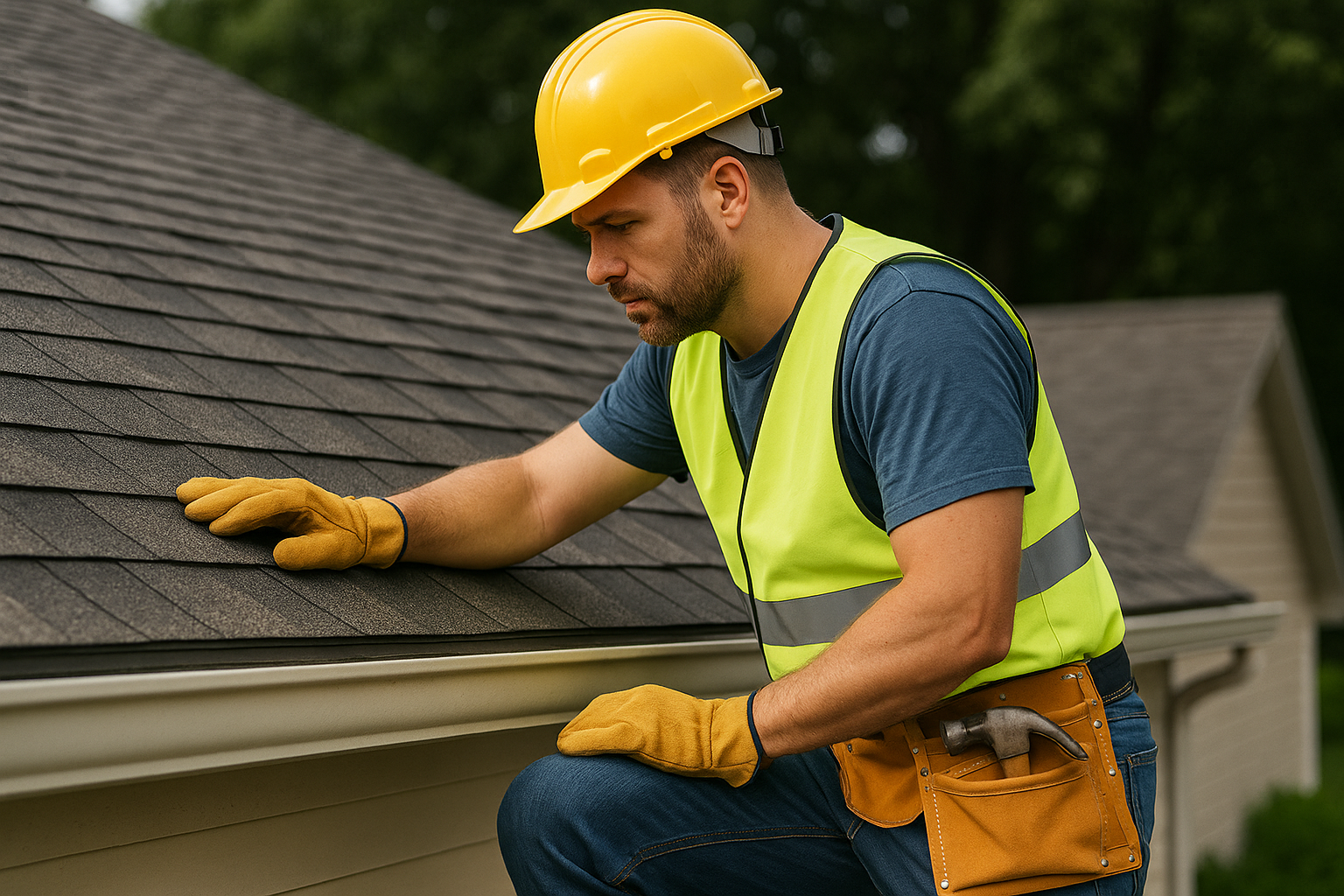
Understanding the Basics of Roofing Before Making a Call
Before you reach out to roofing companies, it's crucial to have a foundational understanding of what a roofing project entails. This knowledge not only empowers you to ask the right questions, but also helps you make informed decisions about your roofing needs.
Key Components of a Roof
A roof is more than just the visible shingles or tiles. It's a complex system that includes:
- Decking: The base of the roof, typically made from plywood or oriented strand board, providing structural support.
- Underlayment: A protective layer above the decking which provides an additional moisture barrier.
- Flashing: Metal pieces installed in valleys, around chimneys, and other roof protrusions to direct water away.
- Shingles or Tiles: The external layer that is visible, providing primary protection from weather elements.
- Ventilation: Systems including ridge vents and soffit vents to ensure air circulation, reducing moisture and heat build-up.
Types of Roofing Materials
Understanding the types of roofing materials available can help you choose the best option for your home:
- Asphalt Shingles: The most common material due to its affordability and ease of installation. They generally last 15-30 years.
- Metal Roofing: Known for its durability and energy efficiency, often lasting 40-70 years.
- Clay Tiles: Provide a traditional look and are energy efficient and durable, with a lifespan of over 50 years.
- Slate: Expensive but offers unmatched longevity, often over 100 years, and a distinctive appearance.
- Wood Shingles: Offer a rustic look but require more maintenance and have a shorter life span of around 20-30 years.
Common Roofing Problems to Be Aware Of
Recognizing common roofing problems can help you address them early and avoid costly repairs. Here's what to look out for:
Leaking and Water Damage
Leaks are the most obvious sign of roof problems. They can lead to extensive water damage if not promptly addressed. It's important to check for water stains on ceilings or walls during routine inspections.
Shingle Damage
Shingles can become cracked, curled, or missing due to severe weather and aging. Damaged shingles compromise the roof's ability to protect your home from the elements.
Poor Installation
Inadequate installation can lead to a host of problems, including leaks and inefficiency. Ensure your roofing contractor is reliable and experienced to avoid these issues.
Moss and Algae Growth
Moss and algae can hold moisture against the roofing surface, leading to deterioration over time. Regular cleaning and preventive treatments can help manage this problem.
According to a 2026 report by the National Roofing Contractors Association, regular roof maintenance can extend its life by up to 30% and should not be overlooked.
Evaluating and Choosing a Roofing Contractor
Once you have a grasp of the basics and potential issues, the next step is selecting a contractor. This decision is critical, as it influences the quality of your roof and potential for future repairs.
What to Look for in a Contractor
- Licensing and Insurance: Ensure the contractor is licensed to operate in your area and has insurance to protect both parties in case of accidents.
- Experience: Look for contractors with extensive experience, particularly with the specific roofing material you plan to use.
- References and Reviews: Check for positive reviews and ask for references from past clients to gauge satisfaction levels.
- Detailed Estimates: Request detailed, written estimates that outline the cost, materials to be used, and expected timelines.
- Communication Skills: Choose a contractor who communicates clearly and promptly. This is crucial for a smooth project execution.
Understanding the Cost of Roof Replacement
The cost of replacing a roof varies widely based on factors such as size, pitch, material, and location. As of 2026, data from Remodeling Magazine suggests that an average roof replacement in the U.S. can range from $8,000 to $15,000 for a typical home.
Factors Influencing Cost
- Material Choice: Different materials come with different price points. Asphalt is on the lower end, while slate and metal are more costly.
- Roof Size and Pitch: Larger roofs or those with a steep pitch require more labor and materials, increasing the cost.
- Local Regulations: Local building codes can influence the complexity and therefore the cost of the roofing project.
- Existing Roof Removal: The need to remove and dispose of old roofing material adds to labor and disposal expenses.
Preparing for the Roofing Project
Preparation and planning can alleviate much of the stress associated with roofing projects. Here's how to prepare effectively:
Setting Clear Expectations
Communicate your expectations clearly with your contractor regarding timelines, budget, and the daily schedule. Ensure you have written contracts to avoid misunderstandings.
Protecting Your Property
Cover plants, move vehicles, and protect furnishings to safeguard against dust and debris. Some contractors offer property protection services as part of their packages.
Communication During the Project
Maintain open lines of communication with your contractor for any immediate issues or changes in plans. Regular updates help ensure the project stays on track.
Wrapping Up
By understanding the components of a roof, recognizing potential issues, carefully selecting a contractor, and preparing for the installation process, you equip yourself with the knowledge to approach roofing companies confidently. Remember, informed decisions lead to better outcomes for your home’s long-term protection and value.
For more detailed information and tips, visit the resources provided by the National Roofing Contractors Association and Remodeling Magazine.