Everything You Need to Know About Amazon Cameras for Home Security
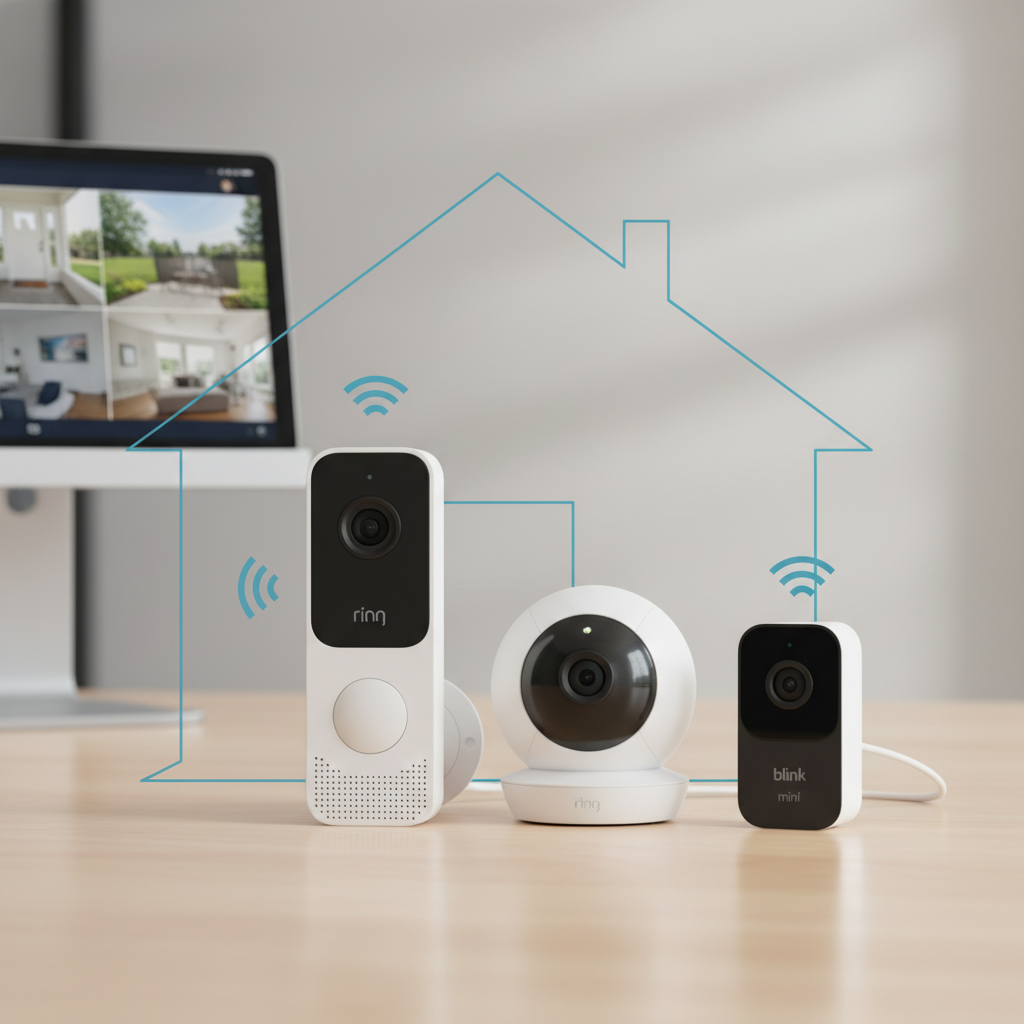
If you're exploring home security cameras on Amazon, you've likely run into its two biggest brands: Ring and Blink. While both offer excellent protection, they have key differences in battery life, video storage, and how they integrate into your smart home.
More Info About Amazon Cameras For Home Security
When exploring home security options, Amazon's offerings are frequently at the forefront of the conversation. Through its ownership of two major brands, Ring and Blink, Amazon provides a wide spectrum of devices tailored to different needs, budgets, and technical preferences. Understanding the distinctions between these ecosystems is key to choosing the right camera system for your home. These brands, while both under the Amazon umbrella, operate with distinct philosophies regarding power, storage, and features.
This guide offers a comprehensive look into Amazon's security camera landscape, breaking down the features, product lines, and core differences between the Ring and Blink systems. From video doorbells that greet your guests to wire-free cameras you can place anywhere, we'll cover the essential information you need to make an informed decision about securing your property.
Understanding the Ring Ecosystem
Ring is arguably one of the most recognized names in smart home security, largely due to the popularity of its Video Doorbells. Acquired by Amazon in 2018, Ring has expanded its product line to include a full suite of indoor cameras, outdoor floodlight and spotlight cameras, and a comprehensive home alarm system. The core philosophy of Ring revolves around robust features, versatile power options, and deep integration with the smart home, particularly Amazon's Alexa.
Key Features of Ring Cameras
Most Ring devices share a common set of powerful features. High-definition video (typically 1080p HD) is standard, providing clear footage day and night, thanks to infrared night vision. Two-way talk functionality allows you to communicate with anyone on your property through the Ring app on your smartphone or tablet. Advanced motion detection is another cornerstone, with many devices offering customizable motion zones. This allows you to specify areas you want the camera to monitor, such as a walkway, while ignoring public areas like a busy street, reducing unnecessary alerts.
One of Ring's standout features is its power versatility. Many of their popular devices, including the Video Doorbell and Stick Up Cam, are available in multiple power configurations: battery-powered, wired, and even solar-powered options. This flexibility allows users to install cameras in locations where running a power cable might be difficult or impossible, making it an adaptable solution for various types of homes and properties.
Popular Ring Product Lines
- Ring Video Doorbells: This is the product that started it all. From the basic Ring Video Doorbell to the advanced Pro and Elite models, these devices replace your existing doorbell and allow you to see, hear, and speak to visitors from anywhere.
- Ring Floodlight and Spotlight Cams: Designed for outdoor security, these cameras combine motion-activated LED lighting with video surveillance. The Floodlight Cam provides powerful, wide-area lighting, while the Spotlight Cam offers a more focused beam, both serving as effective deterrents to intruders.
- Ring Stick Up Cam: A highly versatile camera that can be used indoors or outdoors. It comes in battery, plug-in, and solar-powered versions, making it easy to place on a shelf, mount on a wall, or position in your backyard.
- Ring Indoor Cam: A compact, plug-in camera designed exclusively for monitoring the inside of your home. It's a simple and affordable way to keep an eye on pets, children, or general activity while you're away.
Exploring the Blink Camera Lineup
Blink, which Amazon acquired in 2017, focuses on a different aspect of the market: simplicity, affordability, and exceptional battery life. Blink's primary selling point is its truly wire-free design and its ability to run for up to two years on a single set of standard AA lithium batteries. This makes installation incredibly easy and accessible for anyone, as there are no wires to run or complex setups to navigate.
Key Features of Blink Cameras
The Blink system is built around efficiency. The cameras are designed to conserve power by only recording when motion is detected. Like Ring, they offer HD video, infrared night vision, and two-way audio. The system operates using a central hub called the Blink Sync Module 2. This module connects to your Wi-Fi and communicates with the cameras, which helps extend their battery life and provides a key feature: local video storage.
With the Sync Module 2, users can plug in a USB flash drive (sold separately) and save motion clips locally without needing a cloud subscription. This is a major differentiator from Ring, which relies heavily on its subscription plan for video storage. While a cloud storage plan is also available for Blink, the local storage option provides a no-monthly-fee alternative that is highly attractive to many consumers.
Popular Blink Product Lines
- Blink Outdoor & Indoor: These are the core products of the Blink family. They are compact, weather-resistant (for the Outdoor model), and feature the signature long battery life. They are ideal for users who want a "set it and forget it" security solution.
- Blink Video Doorbell: Offering a more affordable entry into the video doorbell market, the Blink Doorbell can be wired to your existing chime or run wire-free on batteries. It integrates seamlessly with the rest of the Blink ecosystem.
- Blink Mini: This is Blink's version of a compact, plug-in indoor camera. It's the most affordable camera in the lineup and doesn't require a Sync Module to operate, though connecting it to one enables local storage features. It's perfect for monitoring a single room.
The Rise of Amazon in Smart Home Security
Amazon's strategic acquisitions of Blink in 2017 and Ring in 2018 signaled a major push into the burgeoning smart home security market. Before these purchases, the market was fragmented, with various startups and established security companies competing for dominance. By bringing these two popular brands under its umbrella, Amazon was able to cater to two distinct segments of the consumer base almost overnight.
Ring appealed to the user who wanted a robust, feature-rich ecosystem that could replace a traditional security system, complete with professional monitoring options and a wide array of interconnected devices. Blink, on the other hand, captured the market for users seeking simplicity, affordability, and the freedom of a truly wireless setup with long battery life. This dual-brand strategy allowed Amazon to leverage its massive retail platform and Alexa integration to quickly become one of the most dominant forces in home security, making cameras and video doorbells accessible to millions of households.
Common Questions About Amazon Security Cameras
Do Amazon Cameras Require a Subscription?
This is one of the most critical questions for potential buyers, and the answer differs significantly between Ring and Blink. For Ring devices, a subscription, called Ring Protect, is practically essential to get the most out of your cameras. Without a subscription, you can get real-time motion alerts and view the live feed, but you cannot record, save, or review any video clips. The Ring Protect plan allows you to store video history in the cloud for up to 180 days, which is crucial for reviewing events or providing footage to law enforcement if needed.
Blink offers more flexibility. While a Blink Subscription Plan is available for cloud storage, it is not mandatory for saving clips. By using the Blink Sync Module 2 and a USB flash drive, users can store their motion-activated clips locally at no extra monthly cost. This makes Blink a compelling option for those who want to avoid recurring fees. However, the subscription does offer added convenience, such as instant access to clips in the cloud and photo capture features.
How Do Amazon Cameras Integrate with Alexa?
As Amazon products, both Ring and Blink feature deep and seamless integration with the Alexa smart home ecosystem. This is a major benefit for anyone who already uses Echo devices. With Alexa, you can use voice commands to interact with your cameras in various ways. For instance, you can say, "Alexa, show me the front door" to an Echo Show or Fire TV, and a live video feed from your Ring or Blink camera will instantly appear on the screen.
You can also use Alexa for two-way communication through your Echo devices, effectively turning them into intercoms for your video doorbell or cameras. Furthermore, you can have Alexa announce when motion is detected or when someone presses your doorbell. This integration extends to Alexa Routines, allowing you to create powerful automations. For example, you could set up a routine where detecting motion on your driveway camera after dark automatically turns on your smart porch lights.
Conclusion
Amazon offers a powerful and diverse range of home security cameras through its Ring and Blink brands. Ring provides a feature-rich, highly versatile ecosystem with options for every part of the home, best suited for those who want a comprehensive security setup and don't mind a monthly subscription for video storage. On the other hand, Blink champions simplicity, affordability, and incredible battery life, with the added benefit of no-fee local video storage, making it ideal for users who prioritize ease of use and cost-effectiveness. By understanding the core philosophies and features of each brand, you can determine which Amazon-backed security system is the perfect fit for protecting your home and family.
For more detailed specifications and the latest product information, you can visit the official brand websites: