Everything You Need to Know About Garage Organizers and Their Practical Uses
If you’re looking to reclaim your garage from the clutter, you’ve come to the right place. Choosing the right organizer can feel overwhelming, with options ranging from heavy-duty shelving and secure cabinets to versatile wall systems and space-saving overhead racks.
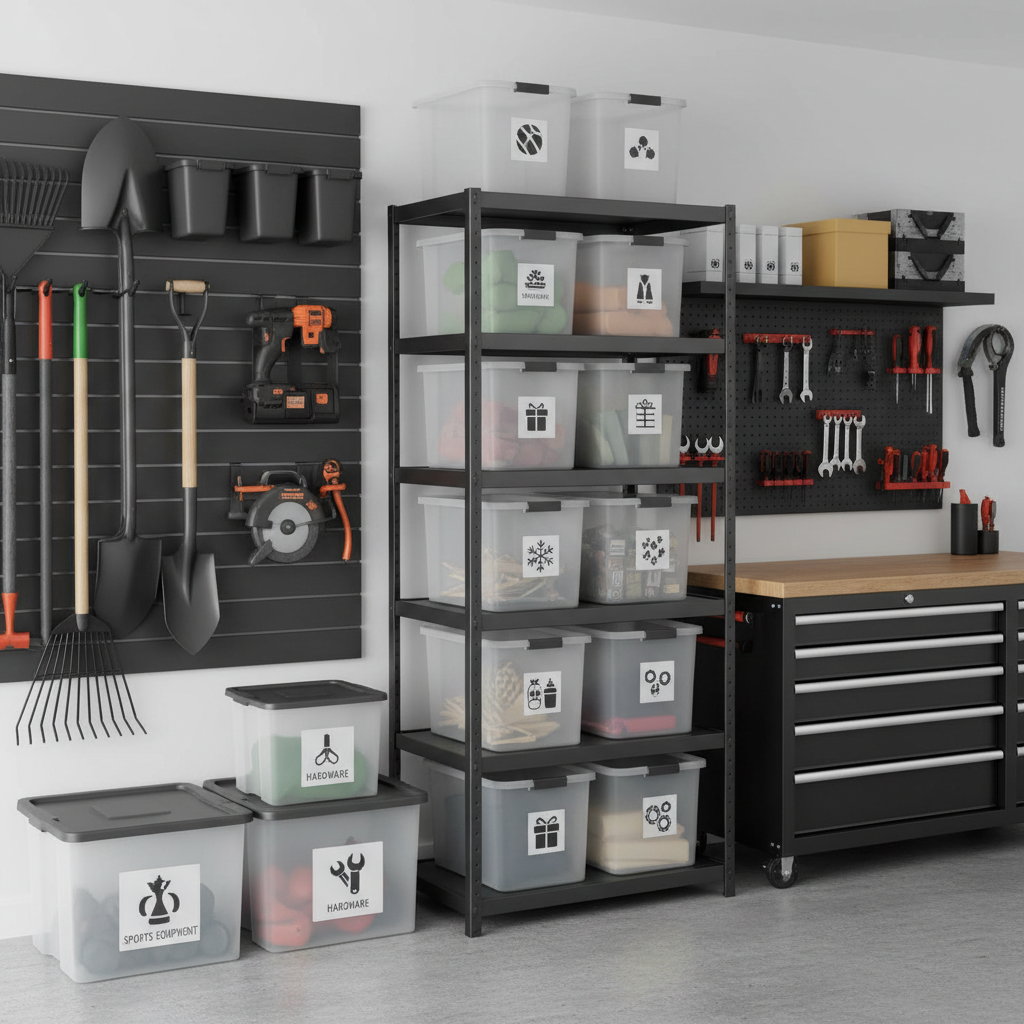
A Comprehensive Guide to Garage Organizers and Their Uses
The garage often becomes the default storage area for everything that doesn't have a designated place inside the home. From seasonal decorations and sports equipment to tools and lawn care supplies, this space can quickly become cluttered and chaotic. Garage organizers are specifically designed to tackle this challenge, transforming a messy space into a functional, safe, and efficient area. Understanding the different types of organizers and how they’re used is the first step toward reclaiming your garage.
These systems are more than just shelves; they are purpose-built solutions that cater to the unique storage demands of a garage environment. They are typically built from durable materials like steel, heavy-duty plastic, or treated wood to withstand temperature fluctuations, moisture, and heavy loads. Let's explore the most common types of garage organizers and what they do best.
1. Garage Shelving Units
Shelving is arguably the most fundamental and versatile type of garage organization. These units come in two primary forms: freestanding and wall-mounted. Freestanding shelves are popular because they require no installation; you simply assemble them and place them against a wall. They are ideal for storing heavy items like toolboxes, paint cans, and bulk supplies in plastic bins. Materials range from industrial-grade steel, which offers the highest weight capacity, to durable resin or plastic, which is resistant to rust and moisture, making it great for damp environments. When choosing a freestanding unit, always check its load capacity per shelf to ensure it can safely handle what you plan to store.
Wall-mounted shelves, on the other hand, are excellent for getting items completely off the floor. This not only frees up valuable floor space for parking or a workspace but also makes it easier to clean the garage floor. These shelves are screwed directly into wall studs for stability and can hold a surprising amount of weight. They are perfect for storing items you need to access regularly but want out of the way, such as cleaning supplies, automotive fluids, or gardening tools. The key to a successful wall-mounted shelf installation is ensuring it is securely anchored into the wall studs, not just the drywall.
2. Garage Cabinets
For those who prefer a clean, streamlined look, garage cabinets are the ultimate solution for hiding clutter. Like shelving, cabinets come in both freestanding and wall-mounted varieties. They offer enclosed storage, which protects your belongings from dust, debris, and pests. This makes them particularly well-suited for storing items that need to stay clean, such as extra linens, or things that could be sensitive to exposure, like certain chemicals or craft supplies. Steel cabinets are a popular choice for their durability and security, often featuring locking doors to keep hazardous materials safely away from children and pets.
Plastic or resin cabinets are a lightweight and budget-friendly alternative. They won't rust, dent, or rot, making them a practical choice for any garage climate. While they may not hold as much weight as their steel counterparts, they are perfect for storing lighter items like gardening gloves, small tools, and sports equipment. Wall-mounted cabinets function similarly to wall shelves but provide the added benefit of concealment. Grouping a set of upper and lower cabinets can create a functional workbench area, giving you a dedicated space for projects while keeping all your tools neatly tucked away.
3. Wall-Mounted Organizers: Slatwall and Pegboard
Slatwall and pegboard systems are designed for maximum versatility and customization. They consist of panels that are mounted directly to the garage walls. A slatwall features horizontal grooves, while a pegboard has a grid of pre-drilled holes. A vast array of hooks, baskets, shelves, and specialty holders can then be attached to these panels, allowing you to create a storage system perfectly tailored to your inventory. This makes them incredibly effective for organizing items that are oddly shaped or difficult to store on a traditional shelf.
These systems truly shine when used for tool organization. Screwdrivers, wrenches, hammers, and power tools can be hung for easy visibility and access, eliminating the need to dig through a cluttered toolbox. They are also fantastic for hanging long-handled items like shovels, rakes, and brooms, keeping them off the floor and preventing tripping hazards. Bicycles, sports gear, and extension cords can also be easily accommodated with the right accessories. The primary advantage is adaptability; as your storage needs change, you can simply rearrange the hooks and holders without any new installation.
4. Overhead and Ceiling Storage Racks
In most garages, the ceiling is the most underutilized space. Overhead storage racks are engineered to take advantage of this vertical real estate, providing a robust platform for long-term or seasonal storage. These heavy-duty steel racks are bolted directly into the ceiling joists and can typically hold hundreds of pounds. They are the perfect solution for storing bulky, infrequently used items that would otherwise consume a massive amount of floor space.
Common items stored on overhead racks include holiday decorations, camping gear, luggage, kayaks, and large storage bins filled with seasonal clothing or old files. By moving these items to the ceiling, you free up the floor and walls for things you need to access more often. When considering an overhead rack, pay close attention to its weight capacity and the height of your garage ceiling. You need to ensure there is enough clearance to safely park your car underneath and that the items you store are not too difficult to access with a sturdy ladder.
5. Specialty Racks and Holders
Beyond the major systems, there are countless specialty racks designed to solve specific storage problems. For families with multiple bicycles, a dedicated bike rack—whether it's a floor stand, a wall-mounted hook, or a ceiling pulley system—is essential for preventing a tangled mess of handlebars and pedals. Similarly, sports enthusiasts can find racks designed specifically for golf bags, fishing rods, skis, or basketballs and soccer balls, keeping all the gear for a particular activity organized in one place.
Tool chests and rolling workbenches are another form of specialty organizer, providing mobile and secure storage for mechanics and DIYers. These units combine drawers for small hand tools with cabinets for larger items, often topped with a durable work surface. Even something as simple as a wall-mounted hose reel or a power tool charging station can make a significant impact on the functionality and tidiness of your garage. These targeted solutions are often the finishing touches that bring a full garage organization system together.
Why Organizing Your Garage is More Than Just Tidiness
Creating an organized garage offers benefits that extend far beyond a visually appealing space. First and foremost is safety. A cluttered garage is filled with potential hazards. Tools left on the floor, tangled extension cords, and unstable stacks of boxes create serious tripping risks. Furthermore, properly storing chemicals like pesticides, paint thinners, and antifreeze in locked cabinets prevents accidental spills and keeps them out of reach of children and pets. An organized space is inherently a safer space for the entire family.
Efficiency is another key advantage. When every tool, screw, and piece of equipment has a designated home, you stop wasting time searching for what you need. A project that might have started with a 20-minute hunt for a specific wrench can begin immediately. This streamlined workflow makes DIY projects and routine home maintenance less frustrating and more enjoyable. Finally, an organized garage reclaims usable space. For many, it allows them to park their cars inside, protecting a significant investment from the elements. For others, it creates the opportunity for a new hobby space, a home gym, a workshop, or a play area for kids on a rainy day.
Common Questions About Garage Organization
How Do I Choose the Right Organizer for My Needs?
The best way to start is by taking a full inventory of everything in your garage. Group similar items together—all your gardening tools, all your sports equipment, all your automotive supplies, etc. This process helps you visualize how much space each category requires and what type of storage it needs. A pile of bulky storage bins points toward heavy-duty shelving, while a large collection of hand tools suggests a pegboard or tool chest would be a good fit.
Next, measure your garage. Knowing your available wall space, floor area, and ceiling height is crucial for selecting systems that will fit properly. Consider your accessibility needs as well. Items you use weekly should be stored in an easy-to-reach location, like on an open shelf or in a lower cabinet. Seasonal items that you only use once a year are prime candidates for less accessible spots, such as high shelves or overhead racks. Finally, consider your budget and personal style. You can achieve a highly functional garage with simple, budget-friendly shelving or invest in a comprehensive, professional-looking cabinet system.
What Are the Best Materials for Garage Organizers?
The material of your organizer plays a significant role in its durability, strength, and suitability for your environment. Steel is the top choice for strength and longevity. It can support the heaviest loads, making it ideal for shelving units, cabinets, and overhead racks that will hold engine blocks, large toolboxes, or dense storage bins. Look for powder-coated steel to protect against rust and scratches. The main downside is that it is often the most expensive option.
Plastic or resin is another excellent choice, particularly for its resistance to the elements. It will never rust, rot, or succumb to moisture, making it perfect for damp or humid climates. Plastic organizers are lightweight, easy to clean, and generally more affordable than steel. However, they typically have a lower weight capacity and can become brittle in extreme cold. Wood and particleboard are often the most budget-friendly and are easily customizable—you can paint them or cut them to fit specific spaces. Their major weakness is a vulnerability to water damage and pests. If you choose wood, ensure it's properly sealed and kept in a dry area of the garage.
Can You Install Garage Organizers Yourself?
Many garage organization systems are designed with DIY installation in mind. Freestanding shelves and cabinets often require simple assembly with basic hand tools, like a screwdriver or a mallet. Pegboard and slatwall panels can also be a straightforward DIY project, provided you have a drill, a level, and a stud finder. The most critical step for any wall-mounted system is locating and securely fastening the unit to the wall studs. Attaching heavy items to drywall alone is unsafe and will lead to failure.
However, some installations are best left to professionals. Overhead ceiling racks, for example, must be anchored perfectly into the ceiling joists to safely support hundreds of pounds above your vehicle. If you are not comfortable with identifying joists, working on a tall ladder, or lifting heavy components, hiring a professional is the safest bet. Similarly, if you're installing a large, complex system of interlocking cabinets and countertops, a professional can ensure a perfect fit and finish.
Conclusion
Garage organizers are essential tools for transforming a cluttered and underused space into a safe, efficient, and functional part of your home. From simple shelving units for heavy bins to versatile wall panels for tools and cabinets for hiding clutter, there is a solution for every item and every need. By assessing your inventory, choosing the right materials, and planning your layout, you can create a system that not only helps you find what you need when you need it but also reclaims valuable space for your vehicles, hobbies, and family activities.
For more ideas and product options, you can explore resources from major home improvement retailers or specialized blogs: