Everything You Need to Know About Sleep Apnea Clinical Trials
Discover the latest advancements in sleep apnea clinical trials and learn how these studies could impact future treatments. By participating, you contribute to research that aims to improve sleep apnea therapies.
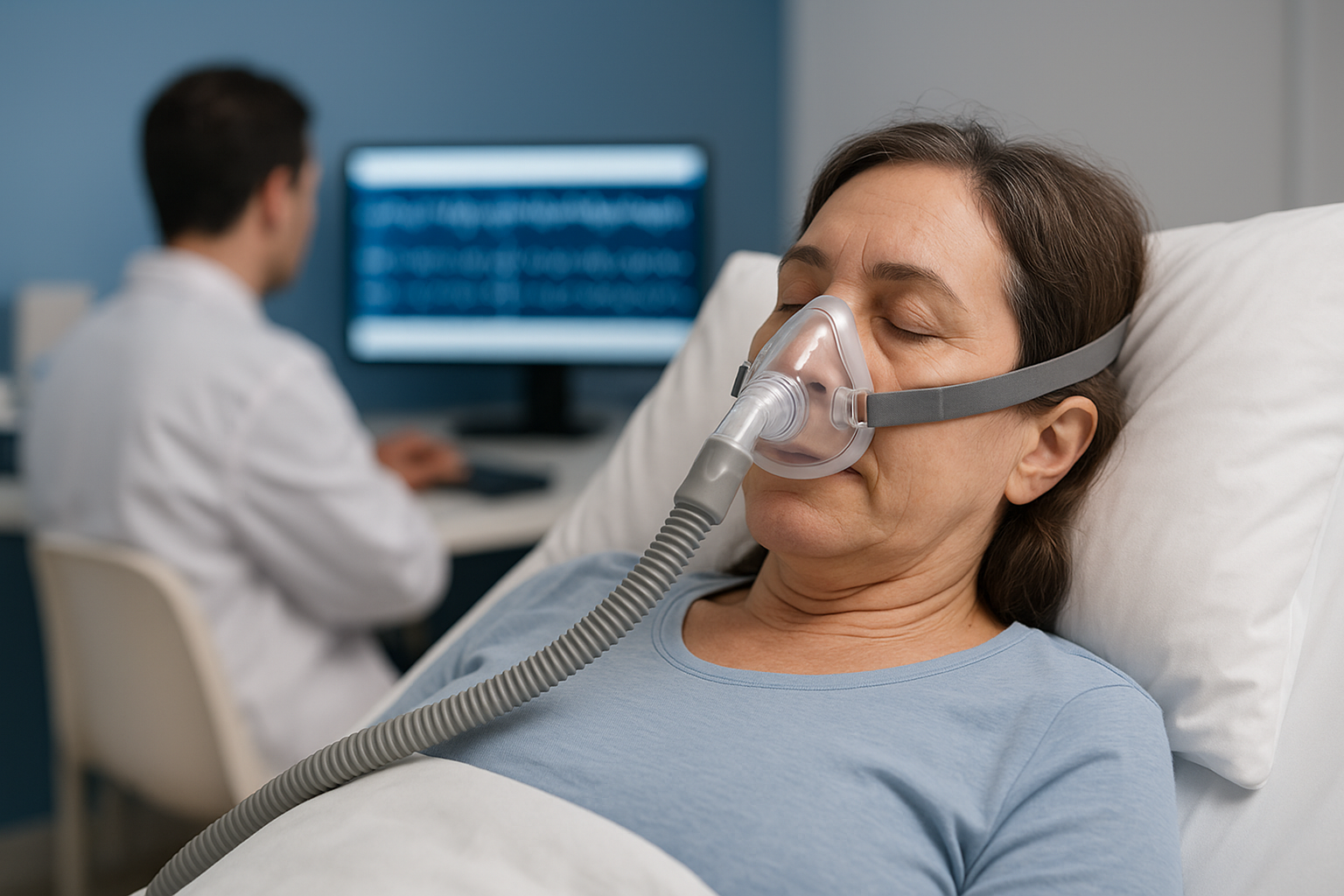
Understanding Sleep Apnea and its Significance
Sleep apnea is a potentially serious sleep disorder that affects millions of people worldwide. Characterized by repeated interruptions in breathing during sleep, it can lead to various health complications if left untreated. The two main types of sleep apnea are obstructive sleep apnea (OSA), more common, and central sleep apnea, which is less frequent but equally concerning.
Sleep apnea can have significant implications on an individual's overall health, leading to daytime fatigue, cardiovascular issues, metabolic disorders, and impaired cognitive functions. Understanding the disorder's nuances is crucial in managing and treating it effectively.
What Are Clinical Trials and Why Are They Important?
Clinical trials are research studies conducted on human volunteers to evaluate medical, surgical, or behavioral interventions. They are the primary way researchers find out if a new treatment is safe and effective. Clinical trials are essential as they contribute invaluable data to the understanding and advancement of medical knowledge, improving public health outcomes significantly.
In the context of sleep apnea, clinical trials can provide insights into new treatment methods, assess the efficacy and safety of emerging therapies, and help develop better diagnostic tools. Participation in such trials can also offer patients access to novel therapies before they are widely available.
Who Can Participate in Sleep Apnea Clinical Trials?
Eligibility for sleep apnea clinical trials varies depending on the study objectives. These trials typically include participants diagnosed with sleep apnea, but certain studies might require individuals with specific subtypes or severities of the condition.
- Age group: Many trials are open to adults aged 18 and older, but there may be studies focused on pediatric sleep apnea, targeting younger age groups.
- Severity of condition: Some studies may focus on mild to moderate cases, while others target severe cases or those non-responsive to conventional treatments like CPAP therapy.
- Medical history: Trials often include considerations for participants’ overall health, comorbid conditions, and previous treatment histories.
It's essential for potential candidates to consult with healthcare providers and assess the risks and benefits of trial participation.
What to Expect During a Sleep Apnea Clinical Trial
Screening and Enrollment
Before enrollment, participants undergo a rigorous screening process to ensure they meet the study's inclusion criteria. This process may include medical evaluations, sleep studies, and consultations with research staff.
Trial Phases and Procedures
Clinical trials for sleep apnea typically progress through several phases:
- Phase 1: Focuses on safety and dosage. A small group of participants is administered the treatment under tight surveillance.
- Phase 2: Explores efficacy and side effects. This phase involves a larger group and gathers preliminary data on whether the treatment works in sleep apnea patients.
- Phase 3: Confirms effectiveness, monitors side effects, and compares the treatment to standard or placebo treatments across multiple centers.
- Phase 4: Occurs after FDA approval, monitoring long-term effects and gathering additional information.
The trial may involve various evaluations such as polysomnography, questionnaires, and treatment adherence assessments.
Potential Benefits and Risks of Participation
Benefits
- Access to new treatments: Participants can receive cutting-edge interventions unavailable to non-participants.
- Contributing to medical research: By participating, individuals contribute to advancing knowledge and potential treatment breakthroughs for sleep apnea.
- Regular medical attention: Participants generally receive comprehensive monitoring throughout the trial duration.
Risks
- Side effects: As with any medical treatment, there may be side effects ranging from mild discomfort to more serious health implications.
- Unproven treatments: New treatments might not be effective, and there's a chance of being assigned to a placebo group.
- Time commitment: Trials often require frequent visits and adherence to specific protocols, which can be time-consuming.
How to Find Sleep Apnea Clinical Trials
Finding the right clinical trial can be crucial for prospective participants. Several resources are available to aid this process:
- ClinicalTrials.gov: A comprehensive database listing federally and privately supported clinical trials across the globe.
- Sleep Foundation: Provides resources and information on ongoing research and trials related to sleep disorders.
- Contacting local university hospitals and research institutions: Many large entities conduct independent sleep apnea studies and trials.
Conclusion
As the realm of sleep medicine continues to evolve, clinical trials remain a cornerstone of progress. Understanding the facets of sleep apnea, the intricacies of clinical trials, and how to navigate the process effectively enables individuals and researchers alike to contribute to this ever-growing field. Whether you're considering participation or seeking information to guide a loved one, knowledge and awareness can pave the way for improved treatments and better health outcomes for those affected by sleep apnea.