Experience Restful Nights: Effective Sleep Apnea Solutions That Work
Struggling with restless nights? Discover how sleep apnea devices might offer a solution without promises of miracles. Our guide explores various options to potentially enhance your sleep routine. While results can vary, these devices aim to improve nightly rest by addressing disruptions.
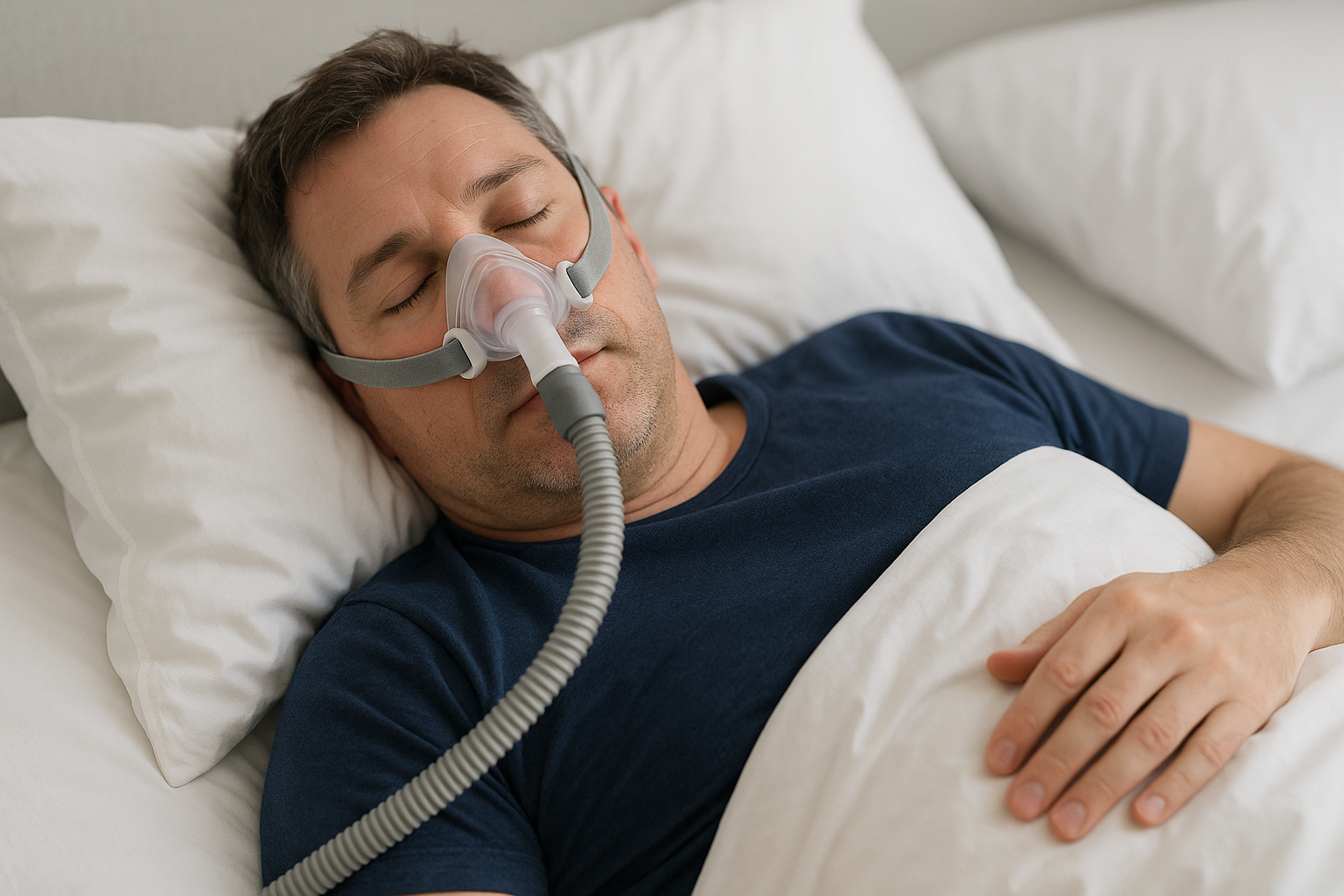
Understanding Sleep Apnea: A Comprehensive Guide
Sleep apnea is a common yet often misunderstood sleep disorder that can have significant implications for one's health and well-being. This guide will help you understand what sleep apnea is, how it can affect your sleep, and how sleep apnea devices can help you sleep better.
What is Sleep Apnea?
Sleep apnea is a condition characterized by interrupted breathing during sleep. These interruptions, known as apneas, can last from a few seconds to minutes and may occur 30 times or more an hour. The most common types of sleep apnea are obstructive sleep apnea (OSA), which occurs due to a blockage of the airway, and central sleep apnea (CSA), which is less common and involves the brain not sending correct signals to muscles that control breathing.
Signs and Symptoms of Sleep Apnea
Sleep apnea is often accompanied by a range of symptoms, including:
- Loud or disruptive snoring
- Episodes of breathing cessation during sleep, observed by another person
- Sudden awakenings accompanied by gasping or choking
- Daytime sleepiness or fatigue
- Difficulties with attention, concentration, and memory
- Morning headache
- Dry mouth or sore throat upon awakening
The Impact of Untreated Sleep Apnea
Untreated sleep apnea can lead to a range of health issues, including cardiovascular problems such as high blood pressure, heart disease, and stroke. It can also increase the risk for metabolic issues like diabetes and contribute to poor mental health, including depression and anxiety. Chronic fatigue associated with sleep apnea can impair quality of life, affecting job performance and social relationships.
How Sleep Apnea Devices Can Help
Various sleep apnea devices are designed to help manage and treat sleep apnea, improving sleep quality and reducing health risks. These devices ensure your breathing remains uninterrupted throughout the night.
Continuous Positive Airway Pressure (CPAP) Devices
CPAP devices are the most common treatment for OSA. They work by delivering a steady, gentle flow of air through a mask to keep the airways open. Recent advances in CPAP technology have focused on improving comfort and ease of use, with features like heated humidifiers and quiet operation.
Bi-level Positive Airway Pressure (BiPAP) Devices
BiPAP devices offer two levels of pressure: a higher pressure when inhaling and a lower pressure when exhaling. This can be more comfortable for some patients and is often used if CPAP therapy is insufficient or if individuals have additional respiratory issues. Recent innovations include automated algorithms to adjust pressure levels based on real-time monitoring of breathing patterns.
Mandibular Advancement Devices (MADs)
These dental devices reposition the jaw to open the airway. MADs may be useful for individuals with mild to moderate OSA and are often custom-fitted by dental professionals for optimal effectiveness and comfort.
Other Emerging Technologies
Newer advancements in sleep apnea treatment include EPAP therapy devices, which are small, portable, and use the patient’s own breath to create pressure and keep the airway open. Current research (source) is also exploring the potential of implantable devices and neurostimulation techniques.
Choosing the Right Sleep Apnea Device
With various options available, choosing the right device requires a comprehensive evaluation by a healthcare professional. Factors to consider include the severity of sleep apnea, comfort, convenience, and personal preference.
Consultation and Sleep Studies
A sleep specialist can conduct a sleep study (polysomnography) to diagnose sleep apnea and recommend appropriate treatment. During a sleep study, your breathing patterns, heart rate, and other vital signs are monitored to understand the severity of the condition.
Adjusting to Therapy
Adjusting to a sleep apnea device can take time. Patience and consistent use are key. Many manufacturers offer trial periods or customization options to help patients adapt. Follow-up appointments are crucial to ensure the effectiveness of the treatment and make necessary adjustments. According to a study by the American Academy of Sleep Medicine in 2026, adherence rates improve significantly with supportive follow-up care (source).
Conclusion
Treating sleep apnea effectively is essential not just for better sleep but for overall health and quality of life. Choosing the right sleep apnea device, coupled with professional guidance and regular follow-up, can significantly improve your nights and days. If you or someone you know is experiencing symptoms of sleep apnea, seeking medical evaluation and considering available device options could be the pathway to better sleep and health.