Dermatologist Tips on Managing Thinning Hair Effectively
Discover effective dermatologist advice for thinning hair right here! Learn about the simple lifestyle changes and treatments that can make a noticeable difference.
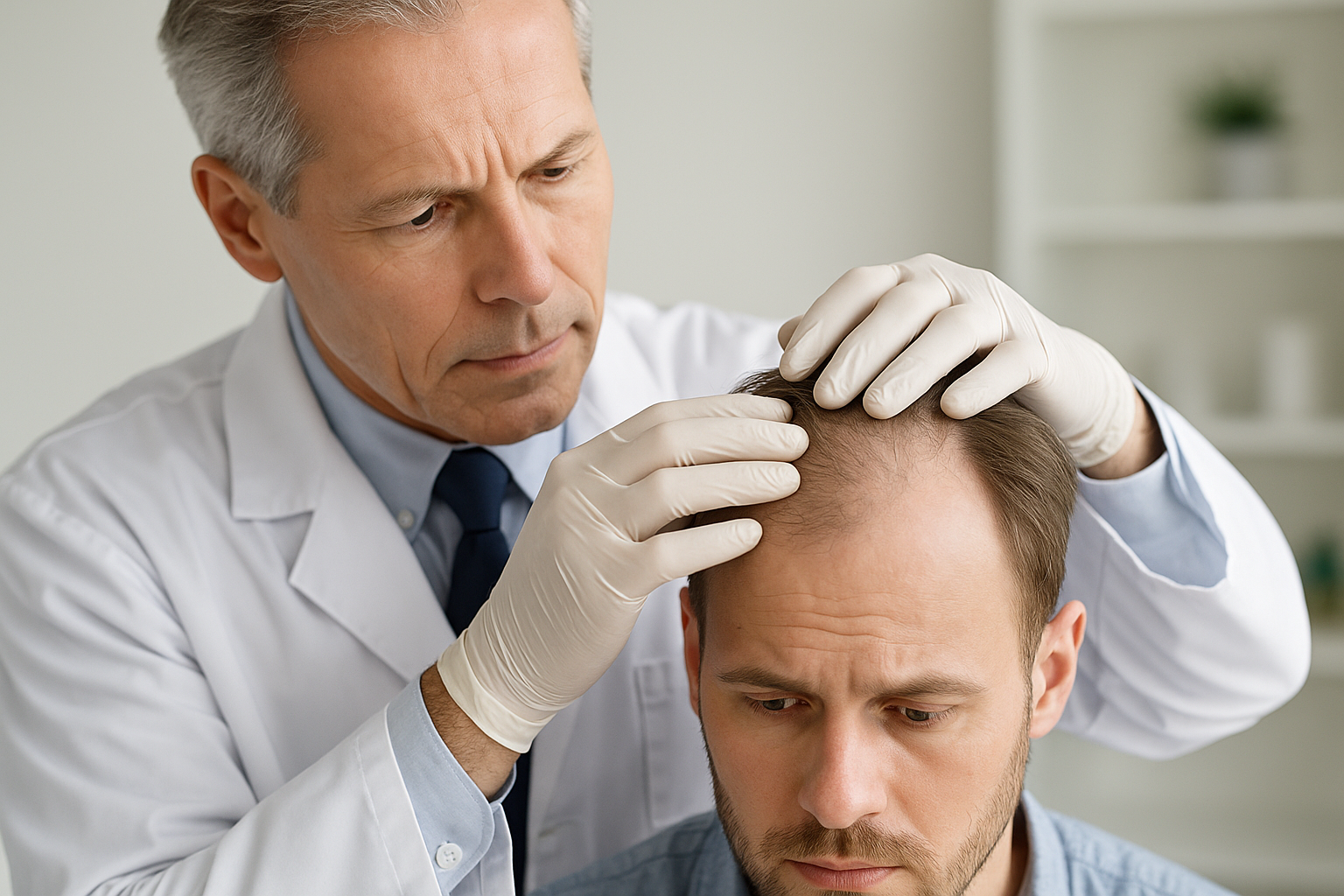
Understanding Thinning Hair: A Dermatologist's Insight
Hair thinning can be a distressing experience, affecting self-esteem and confidence. However, understanding its causes, potential treatments, and preventive measures can help manage this condition effectively. Dermatologists serve as a valuable resource in diagnosing and treating hair-related concerns. This article explores the insights dermatologists provide on thinning hair and addresses common questions you might have after seeing related advertising content.
What Causes Hair Thinning?
Hair thinning, known medically as alopecia, can result from several factors. Some of the leading causes include:
- Genetics: Androgenetic alopecia, commonly referred to as male or female pattern baldness, is primarily hereditary. It affects millions globally, with variations in how it manifests across genders.
- Hormonal Changes: Conditions such as menopause, pregnancy, or thyroid issues can lead to hormonal imbalances, impacting hair growth cycles.
- Nutritional Deficiencies: A lack of essential nutrients such as iron, vitamin D, and proteins can weaken hair follicles.
- Medical Conditions: Diseases like alopecia areata, lupus, or scalp infections may contribute to hair loss.
- Stress and Lifestyle: Chronic stress or an unhealthy lifestyle choices can exacerbate hair thinning.
Symptoms and Diagnosis of Hair Thinning
Recognizing the symptoms of hair thinning is crucial for early intervention. Common signs include a gradual reduction in hair volume, a widening part, or noticeable shedding of hair strands. Dermatologists diagnose hair thinning through:
- Medical History: Evaluating family history and any related medical issues.
- Scalp Examination: Visual and physical examination of the scalp and hair follicles.
- Blood Tests: To identify hormonal imbalances or nutritional deficiencies.
- Scalp Biopsy: In some cases, a biopsy might be conducted to rule out underlying skin conditions.
Treatment Options Available
Once a dermatologist identifies the cause of hair thinning, they can recommend appropriate treatments. Treatment modalities range from lifestyle changes to medical interventions:
- Topical Treatments: Minoxidil is a widely used topical treatment for promoting hair growth. It can be effective for both men and women when used consistently.
- Oral Medications: Options such as finasteride (Propecia) are available, particularly for male pattern baldness. Women might be prescribed different hormone regulators especially during menopause.
- Hair Transplantation: Surgical options are sometimes considered for significant or irreversible hair loss, depending on the patient’s preference and suitability.
- Natural Remedies: Although not a replacement for medical treatment, certain natural oils and topical applications such as rosemary oil have been cited to help stimulate hair growth.
Preventive Measures and Lifestyle Adjustments
In addition to treatments, incorporating preventive measures can help minimize hair thinning. A dermatologist may suggest:
- Balanced Diet: Ensure intake of vitamins and minerals that support hair health.
- Stress Management: Techniques such as yoga, meditation, or regular exercise can reduce stress's impact on the body and subsequently on hair health.
- Avoiding Harsh Hairstyles: Tight ponytails or braids can damage hair follicles, leading to traction alopecia.
- Gentle Hair Care: Using sulfate-free shampoos and conditioners can prevent further damage to the hair.
FAQs: Addressing Common Concerns
After learning about hair thinning and its treatments, you may have further questions which are commonly addressed by dermatologists:
- Can hair thinning be reversed? Depending on the cause, thinning can often be slowed or partially reversed, especially with early intervention and consistent treatment.
- Are there any side effects of using minoxidil? Some people might experience scalp irritation. It's essential to follow usage instructions or consult a dermatologist if side effects persist.
- How soon can I expect results from treatment? Hair regrowth can be slow. Topical treatments like minoxidil may take several months of continued use to show noticeable results.
Current Research and Innovations
In 2026, ongoing research continues to explore innovative solutions to hair thinning. Recent studies have indicated that platelet-rich plasma (PRP) injections might offer promising results for some types of hair loss. Clinical trials are also underway exploring the effectiveness of hair cloning techniques. (ClinicalTrials.gov)
The science of hair thinning is continually evolving, providing new hope to those affected. Consultations with certified dermatologists remain paramount in identifying the most suitable care path based on individual needs.
Discovering the underlying cause of your hair thinning is a critical first step. With expert guidance and the latest treatments, there is potential to significantly mitigate and manage hair thinning effectively.
References:
https://www.aad.org/public/diseases/hair-loss/types/
https://www.aad.org/public/diseases/hair-loss/treatment/tips
https://www.vcuhealth.org/news/a-dermatologists-guide-to-hair-loss-treatments/
https://www.mayoclinic.org/diseases-conditions/hair-loss/diagnosis-treatment/drc-20372932