Explore the Art of Russian Massages: Techniques for Home Relaxation
Thinking about trying a Russian massage at home? You're in the right place. This powerful technique is quite different from a typical Swedish massage, focusing on a unique combination of friction, kneading, and vibration to work on deeper muscle tissue.
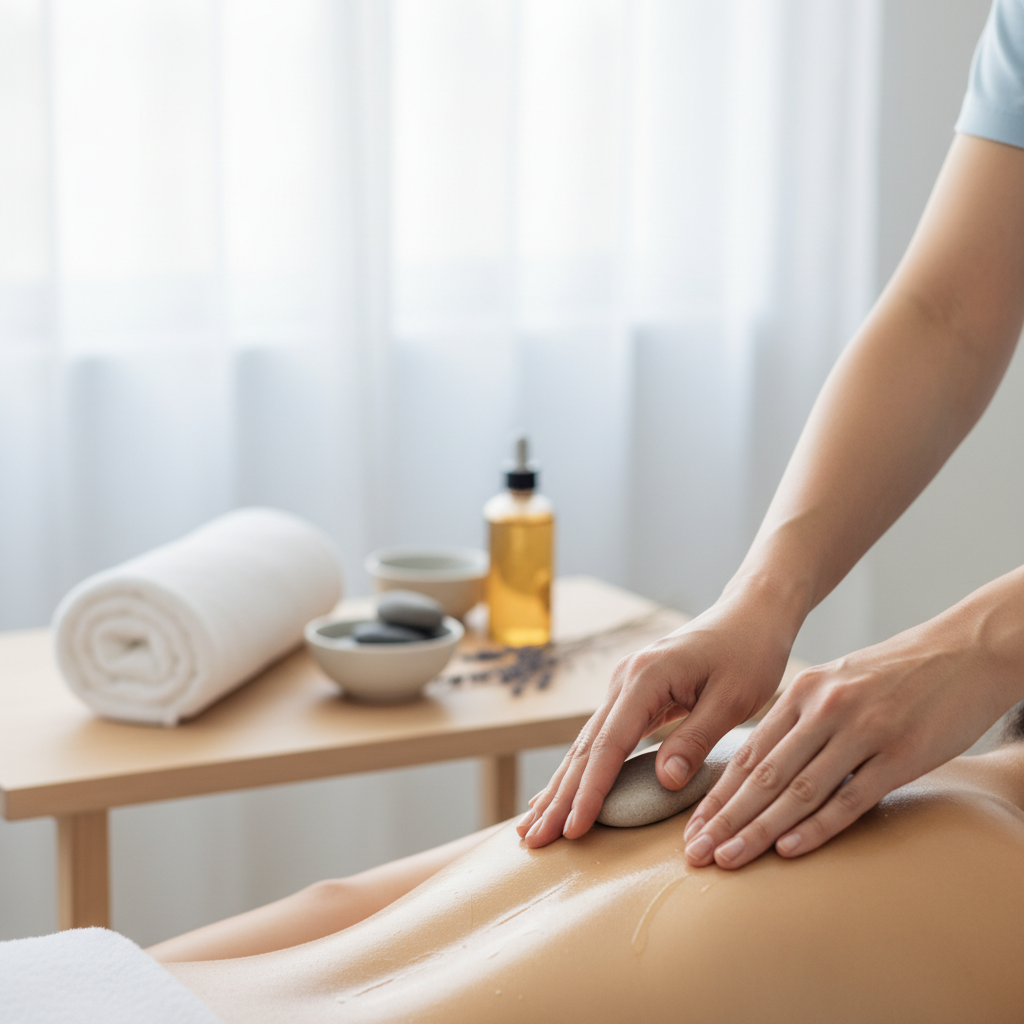
Understanding Russian Massage Techniques for Home Application
Russian massage is a therapeutic system that combines elements of sports and medical massage. Developed in the former Soviet Union, it is renowned for its focus on scientific principles and its effectiveness in treating musculoskeletal issues and improving athletic performance. Unlike more relaxation-focused modalities, Russian massage is often vigorous and aims to manipulate the body's soft tissues—muscles, tendons, and ligaments—to achieve specific therapeutic outcomes. Understanding its core techniques is the first step to appreciating its benefits, especially when considering how its principles might be applied in a non-professional, at-home setting for general well-being.
When adapted for home use, these techniques should be applied gently and with constant communication. The goal is not to replicate a clinical treatment but to use the foundational movements for relaxation and minor muscle relief. Below are the key techniques that form the basis of this massage style.
Friction (Rastiranie)
Friction is one of the most defining techniques in Russian massage. It involves deep, penetrating movements designed to generate heat and break down adhesions or scar tissue within the muscle fibers. The therapist uses their fingertips, thumbs, or the heel of their hand to apply firm, consistent pressure in circular, linear, or cross-fiber motions. This action is not just superficial; it targets the deeper layers of muscle and connective tissue, increasing blood flow and bringing vital nutrients to the area. The warmth created by friction helps to make the tissues more pliable and receptive to further manipulation.
In a home setting, a gentle version of friction can be used to warm up stiff areas like the shoulders or lower back. The person giving the massage can use the pads of their fingers to make small, slow circles around a tense muscle, gradually increasing pressure as long as it remains comfortable for the receiver. The key is to work slowly and deliberately, focusing on warming the tissue rather than trying to force a release. This technique is particularly effective for addressing chronic tension and preparing the body for deeper work.
Kneading (Razminanie)
Kneading is a versatile technique that involves lifting, squeezing, rolling, and pressing the muscles. It is the primary movement used to address muscle bulk, and its application can vary from gentle and broad to deep and specific. Think of it like kneading dough—the goal is to manipulate the muscle tissue to release metabolic waste products, reduce tightness, and improve elasticity. Different variations of kneading target muscles in unique ways; for example, broad squeezing with the whole hand can address large muscle groups like the quadriceps, while smaller, more precise movements with the thumbs can target specific knots or trigger points.
When applying kneading at home, the focus should be on gentle squeezing and lifting motions. Using the palms and fingers, one can gently grasp a muscle, lift it slightly away from the bone, and then release it. This rhythmic action encourages the muscle to relax and can be very effective for relieving general soreness in the arms, legs, and upper back. It's crucial to avoid pinching the skin and to ensure the pressure is distributed evenly. This technique helps improve circulation and can leave the muscles feeling looser and more refreshed.
Vibration (Vibratsiya)
Vibration is a technique that involves rapid, oscillating, or trembling movements applied with the fingertips or the whole hand. The movement can be either fine and rhythmic or coarse and shaking. The primary purpose of vibration is to stimulate the nervous system and soothe irritated nerves. When applied gently, it has a deeply relaxing and sedative effect on the body, making it an excellent technique to use at the end of a massage session. When applied more vigorously, it can help to stimulate muscle tone and improve nerve function.
For at-home use, gentle vibration is the safest and most effective approach. The person giving the massage can place their flat hand or fingertips on a muscle group, such as the calf or upper back, and create a subtle, trembling motion. This shouldn't be a forceful shake but rather a light, rapid quiver that ripples through the tissue. It can be particularly soothing for areas that are too tender for deeper techniques and helps to create a sense of full-body relaxation.
Percussion/Tapotement (Postukivanie)
Percussion, also known as tapotement, consists of a series of light, rhythmic strikes to the body. These movements are performed with different parts of the hands, including cupped palms (cupping), the sides of the hands (hacking), or loose fists (pounding). The goal of percussion is to invigorate and stimulate the muscles and nerves. It’s often used in sports massage to awaken the muscles before an event or to relieve fatigue afterward. The brisk, rhythmic nature of these movements creates a stimulating effect that can increase local blood flow and improve muscle tone.
In a home context, tapotement should be applied very lightly and carefully, avoiding bony areas like the spine, kidneys, and joints. Gentle cupping on the large, fleshy areas of the back or thighs can be invigorating. This involves forming a cup with the hand and tapping the skin to create a hollow sound. The action should be springy and light, coming from the wrist rather than the elbow or shoulder. When done correctly, it can help relieve congestion and leave the receiver feeling energized.
The Origins and Philosophy Behind Russian Massage
The history of Russian massage is deeply intertwined with the country's focus on sports science and physical medicine. Its modern form was systemized in the Soviet Union during the 20th century, primarily by figures like Professor I.M. Sarkisov-Serafini. The goal was to create a highly effective and scientifically grounded method for rehabilitating soldiers, treating medical conditions, and maximizing the performance of elite athletes. Unlike many Western massage modalities that evolved from spa traditions, Russian massage was developed in clinical and sports settings, which explains its practical, no-frills, and results-oriented approach.
The core philosophy behind this modality is to treat the body as an interconnected system. Practitioners believe that dysfunction in one area can impact the entire body and that true healing requires addressing both the symptoms and the root cause. The techniques are designed to work systematically through different layers of tissue—from the skin and superficial fascia down to the deep muscle fibers and joints. This methodical approach ensures that each part of the body is prepared for the next level of therapeutic work, maximizing effectiveness and minimizing discomfort. Its emphasis remains on restoring function, improving physiological processes like circulation and lymphatic drainage, and promoting the body's natural healing capabilities.
Key Benefits and Considerations for At-Home Russian Massage
What Are the Primary Benefits of Russian Massage?
The benefits of Russian massage are extensive, thanks to its comprehensive and targeted techniques. One of its most celebrated advantages is its profound effect on circulation. The combination of friction, kneading, and percussion significantly increases blood flow to the muscles, delivering oxygen and nutrients while efficiently removing metabolic byproducts like lactic acid. This process accelerates recovery from physical exertion, reduces muscle soreness, and improves overall tissue health. Athletes, in particular, find it beneficial for enhancing performance and preventing injuries by keeping muscles pliable and responsive.
Beyond the physical, Russian massage offers significant benefits for the nervous system. The slower, rhythmic strokes and gentle vibrations can have a calming effect, helping to reduce stress and anxiety by down-regulating the sympathetic nervous system (the "fight or flight" response). Conversely, the more vigorous techniques can stimulate the nerves, leading to increased alertness and energy. This adaptability makes it a versatile therapy for both stress management and physical revitalization. It is also highly effective for addressing chronic pain and stiffness associated with conditions like arthritis or fibromyalgia by breaking down adhesions and improving joint mobility.
Is Russian Massage Painful?
A common question about Russian massage is whether it is painful, given its reputation as a deep and intense therapy. The answer is complex: it should not be painful in a harmful way, but it can certainly be uncomfortable. A skilled practitioner works within the client's tolerance, applying pressure that is deep enough to be effective but not so intense that it causes the muscles to tense up in defense. There is a clear distinction between "good pain"—a therapeutic discomfort that signals a release of tension—and "bad pain," which is sharp, shooting, or indicative of potential injury. Communication is absolutely critical during a session.
When adapting these techniques for home use, the guiding principle should always be comfort. The goal is relaxation and general wellness, not clinical treatment. It's essential for the person receiving the massage to provide constant feedback about the pressure and sensations. Any movement that causes sharp pain should be stopped immediately. The intensity should be built up gradually, allowing the muscles to warm up and relax before any deeper work is attempted. An at-home massage should always feel restorative, not punishing.
Essential Tools and Preparation for a Home Massage
Creating a successful at-home massage experience doesn't require expensive equipment, but a few key elements can make a significant difference. First, a comfortable and stable surface is essential. While a professional massage table is ideal, a firm mattress or a soft rug on the floor can work well. The surface should allow the person giving the massage to move around easily without straining their own back. Second, a good quality massage oil, lotion, or cream is crucial. This reduces friction on the skin, allowing the hands to glide smoothly and preventing irritation. Unscented or lightly scented options with natural ingredients like jojoba, almond, or coconut oil are excellent choices.
Setting the right atmosphere is just as important as the physical tools. Dim the lights, play some calming music, and ensure the room is a comfortable, warm temperature. Minimizing distractions is key to allowing the receiver to fully relax and benefit from the experience. Having a few clean, soft towels on hand is also practical—one to drape over areas not being worked on to maintain warmth and modesty, and another for cleaning up any excess oil afterward. A pillow or rolled-up towel can also be used to support the neck, knees, or ankles to ensure proper alignment and comfort.
Conclusion
Russian massage is a powerful and effective therapeutic system built on a foundation of scientific principles. Its distinct techniques—friction, kneading, vibration, and percussion—work together to improve circulation, release muscle tension, and enhance overall well-being. While a professional session offers targeted clinical benefits, understanding its core concepts allows for the safe and gentle application of its principles at home. By focusing on communication, comfort, and creating a relaxing environment, an at-home massage inspired by these techniques can be a wonderful tool for relaxation, connection, and managing everyday aches and pains.
For further reading and information from authoritative sources, you can visit: