Explore the Cutting-Edge World of Intimate Tech Gadgets
Technology has officially entered the bedroom, and the latest intimate gadgets are more innovative than ever. From app-controlled devices that bridge long distances to clever designs focused on entirely new sensations, the options are expanding rapidly.
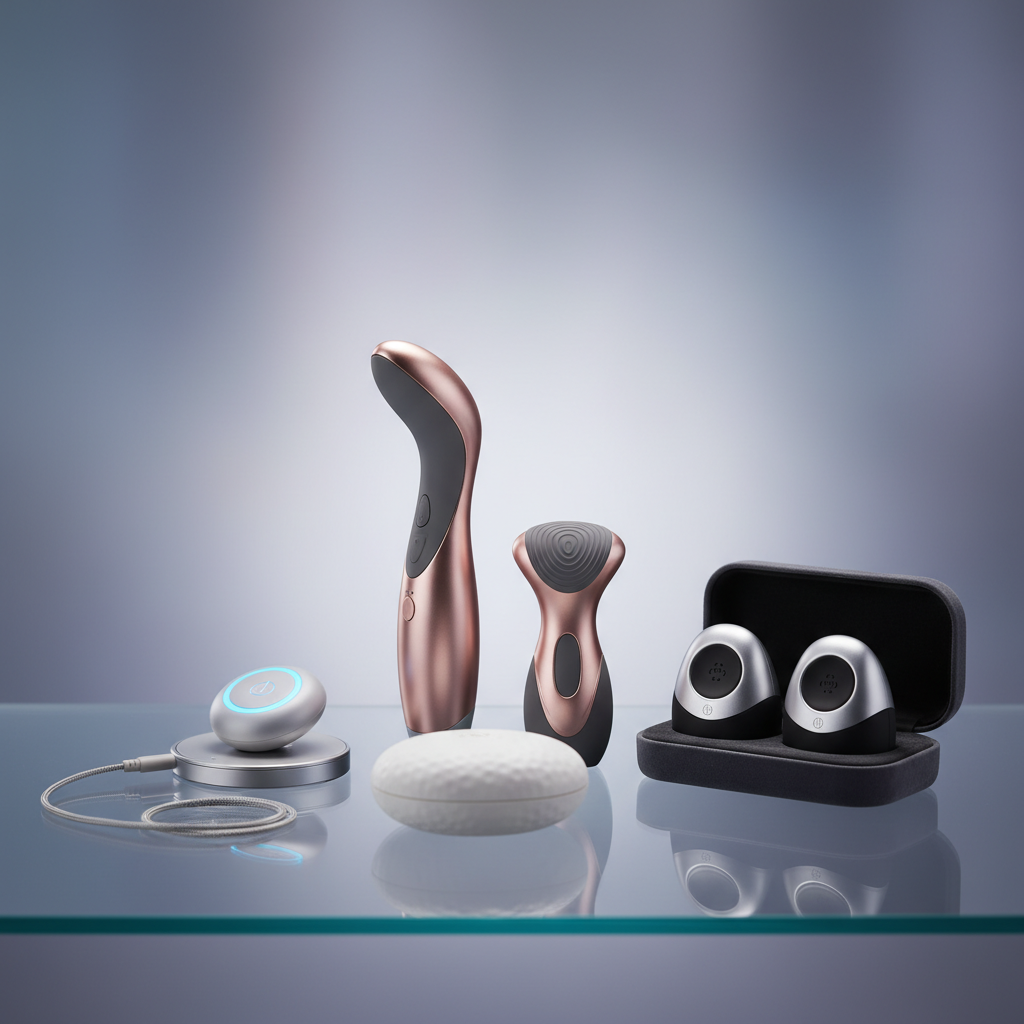
Exploring the New Wave of Intimate Tech Gadgets
Technology has permeated every aspect of modern life, and personal wellness is no exception. In recent years, the field of intimate technology has seen remarkable innovation, moving far beyond simple battery-operated devices. Today's gadgets are smart, connected, and designed to offer highly personalized and sophisticated experiences. These advancements focus on integrating features like app control, artificial intelligence, and biometric feedback to create a new paradigm of personal pleasure and connection. Let's delve into some of the latest categories of intimate tech that are shaping the industry.
1. App-Controlled and Long-Distance Devices
One of the most significant leaps in intimate tech is the integration of Bluetooth and Wi-Fi connectivity, allowing devices to be controlled via a smartphone app. This fundamentally changes the user experience from a solo activity to a potentially shared one, regardless of physical distance. These apps often provide a suite of features, including the ability to create custom vibration patterns, sync the device's sensations to music or ambient sounds, or even grant control to a partner anywhere in the world with an internet connection. This feature has been particularly transformative for long-distance relationships, offering a tangible way to maintain intimacy and connection.
Beyond remote control, these applications often build a community or content ecosystem around the device. Users can download patterns created by others, participate in interactive stories, or use the device in conjunction with other forms of media. The level of customization is a key selling point, as users can fine-tune intensity levels and patterns with a precision that manual buttons could never offer. This transforms the gadget from a simple tool into an interactive entertainment platform, blending physical sensation with digital engagement.
2. Smart Kegel and Pelvic Floor Trainers
Moving into the realm of health and wellness, smart Kegel trainers represent a fusion of biofeedback technology and personal fitness. The pelvic floor is a critical group of muscles that supports the bladder and other organs, and strengthening it can have significant health benefits for adults of all ages. Traditional Kegel exercises can be difficult to perform correctly without guidance, which is where these smart devices come in. They are typically inserted like a tampon and contain pressure or motion sensors that detect when the user is squeezing their pelvic floor muscles correctly.
These devices connect to a smartphone app that gamifies the exercise process. The app provides real-time feedback on the strength and accuracy of each contraction, guiding the user through a series of "games" or workout routines. By turning a mundane exercise into an engaging activity, users are more likely to stay consistent. The app also tracks progress over time, showing measurable improvements in muscle strength, endurance, and control. This technology offers a private, effective, and data-driven approach to an important aspect of physical health.
3. AI-Powered and Responsive Gadgets
Artificial intelligence is beginning to create truly responsive and adaptive intimate experiences. Instead of relying on pre-set patterns, AI-powered devices use built-in sensors to learn and adapt to the user's responses in real-time. These sensors might measure motion, pressure, or even biometric data like heart rate to gauge arousal levels. The device's internal AI then adjusts its patterns, speed, and intensity to match what it perceives the user is enjoying most, creating a dynamic and personalized session every time.
This "learning" capability means the device can evolve with the user. It moves beyond simple remote control to become a more intuitive partner in the experience. Some of the most advanced models analyze thousands of data points during use to predict which patterns will be most effective, effectively creating a feedback loop of pleasure. The goal of this technology is to eliminate the need for manual adjustments and allow the user to be fully immersed in the moment, as the gadget intelligently anticipates their needs.
4. Wearable Devices for Couples
Wearable technology has expanded from fitness trackers to intimate gadgets designed specifically for couples to use together. These devices are often designed to be worn by one or both partners during intimacy, enhancing shared sensations. For example, a vibrating ring worn by one partner can provide stimulation for both simultaneously. Many of these wearables are also app-controlled, allowing either partner to adjust the settings from their phone, adding a new layer of interactive play.
The design of these gadgets is often discreet, ergonomic, and made from body-safe silicone, prioritizing comfort during use. The focus is on mutual pleasure and exploring new dynamics within a relationship. By introducing a new element of sensation that both partners can experience and control, these wearables can help enhance communication and exploration. They serve as a tool to augment, rather than replace, the natural connection between partners.
5. Haptic Feedback and VR Integration
The convergence of virtual reality (VR) and intimate technology is creating deeply immersive experiences. Haptic technology, which uses touch and vibration to simulate physical sensations, is at the core of this innovation. When an intimate gadget is synced with VR content, it can translate the actions happening in the virtual world into physical feedback. For example, the device’s vibrations can be perfectly synchronized with a visual or auditory cue in a VR environment, creating a powerful sense of presence and realism.
This integration is still in its early stages but holds immense potential. Companies are developing platforms where haptic devices can be used with interactive videos, games, or virtual social spaces. This allows for a multi-sensory experience that engages sight, sound, and touch simultaneously. It represents the frontier of intimate tech, aiming to blur the lines between the digital and physical worlds for a completely new form of entertainment and connection.
The Evolution of Intimate Technology
The journey of intimate technology is a fascinating reflection of broader technological progress. Early devices from the 20th century were purely mechanical or relied on simple electrical currents, with a singular focus on vibration. They were often bulky, loud, and made from materials that were not designed with body safety in mind. The primary innovation for decades was simply making them smaller or battery-powered.
The real revolution began with two key developments: the use of body-safe silicone and the advent of microprocessors. Silicone allowed for the creation of devices that were non-porous, hygienic, easy to clean, and soft to the touch. This shifted the industry's focus toward health and user comfort. Simultaneously, tiny yet powerful motors and microprocessors enabled designers to program a variety of complex vibration patterns, moving beyond the simple on/off functionality of the past. The introduction of Bluetooth connectivity in the 2010s was the next major leap, untethering devices from direct manual control and paving the way for the app-integrated, smart, and responsive gadgets we see today.
Exploring Key Considerations in Modern Intimate Tech
What Are the Privacy and Security Concerns with Connected Devices?
As intimate gadgets become "smarter" and more connected, questions about data privacy and security naturally arise. When a device connects to a smartphone via Bluetooth or Wi-Fi, it creates a potential vulnerability. The primary concerns revolve around the unauthorized access to the device (giving a third party control) and the collection of sensitive user data. Data, such as usage patterns, frequency, and custom settings, could be collected by the manufacturer's app.
Reputable brands in the industry are actively addressing these concerns. They typically employ end-to-end encryption for communications between the app and the device, making it difficult for outsiders to intercept the signal. Furthermore, responsible companies have clear privacy policies that state what data is collected and how it is used, often offering anonymous usage modes that do not tie activity to a specific user account. Before purchasing a connected device, it is crucial for consumers to research the brand's security track record and read its privacy policy carefully to make an informed decision.
How Does App Connectivity Enhance the Experience?
App connectivity does more than just turn a device on or off remotely. Its true value lies in the depth of customization and the new forms of interaction it enables. For solo use, an app can provide a visual interface to create intricate vibration patterns that would be impossible to program with simple buttons. Users can "draw" a pattern with their finger or choose from an expansive library, tailoring the experience precisely to their preferences.
For partners, the app becomes a bridge for intimacy. In a long-distance relationship, giving a partner control over the device creates a tangible sense of presence and shared experience that can be profoundly connecting. Even for couples who are physically together, using an app to control a device can be a fun and engaging way to explore and communicate desires without words. The app transforms the device from a static object into a dynamic tool for play, communication, and connection.
Understanding Body-Safe Materials in Tech Gadgets
The material an intimate gadget is made from is one of its most important features. The term "body-safe" refers to materials that are non-porous, phthalate-free, and hypoallergenic, meaning they are safe for internal and external use without causing irritation or harboring harmful bacteria. The gold standard in the industry is 100% medical-grade silicone. Silicone is silky to the touch, holds temperature well, and is extremely easy to clean because its surface has no microscopic pores where bacteria can hide.
Other common materials include ABS plastic and glass. ABS plastic is often used for the hard components of a device, such as the base or handle, and is also non-porous and safe. Glass, particularly borosilicate glass (like Pyrex), is another excellent non-porous option known for its smoothness and ability to be heated or cooled for temperature play. It is vital to avoid gadgets made from porous materials like jelly, PVC, or TPR, as these can break down over time and can never be fully sanitized, posing potential health risks.
Conclusion
The landscape of intimate tech has transformed dramatically, driven by advancements in smart connectivity, AI, and material science. Modern gadgets offer more than just simple functions; they provide personalized, interactive, and connected experiences that can enhance personal wellness and relationships. From AI that learns user preferences to smart trainers that support physical health, these innovations are pushing the boundaries of what's possible. As technology continues to evolve, the focus remains on creating safer, smarter, and more intuitive tools that cater to individual needs and desires in an increasingly digital world.