Explore the Latest Smart Devices Enhancing Intimate Wellness and Self-Care
Technology has officially entered the bedroom, and if you're curious about how smart devices can enhance your intimate life, you're in the right place.
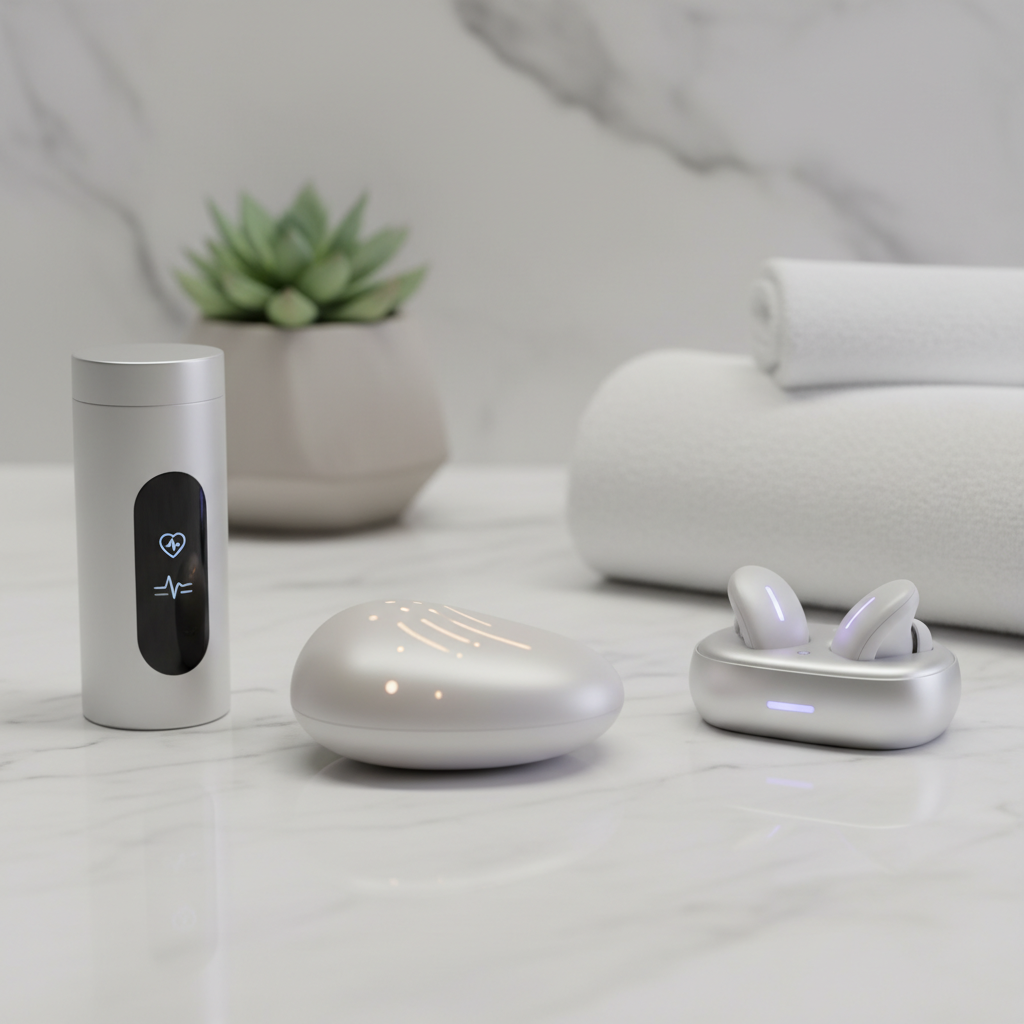
Exploring the Top Smart Devices For Intimate Wellness
In recent years, technology has permeated every aspect of our lives, and personal wellness is no exception. The rise of "smart" technology, characterized by app integration, data tracking, and personalized feedback, has led to a new category of devices aimed at enhancing intimate health and wellness. These tools go beyond basic functions, offering users a data-driven approach to understanding and improving their personal well-being. From pelvic floor trainers to app-controlled massagers, these devices leverage connectivity to provide tailored experiences, track progress, and offer insights previously unavailable.
This guide explores the leading types of smart devices in the intimate wellness space. We will focus on their technological features, the benefits they offer, and how they function to support individual health goals. The aim is to provide a clear, informational overview of the technology available today.
1. Smart Kegel Trainers
Smart Kegel trainers represent a significant leap forward in pelvic floor health. Devices like the Elvie Trainer and Perifit are designed to help users correctly perform and track their Kegel exercises. These small, insertable pods are made from medical-grade silicone and contain force and motion sensors. Once connected to a smartphone app via Bluetooth, they provide real-time biofeedback. This is the core innovation; instead of guessing whether an exercise is being performed correctly, the user can see their muscle contractions visualized on their phone screen, often through engaging games and guided workouts.
The app-based experience is central to their effectiveness. It transforms a mundane exercise into an interactive activity, which boosts consistency and motivation. The apps guide users through different training programs designed to improve strength, endurance, and control. Over time, the technology tracks progress, showing measurable improvements in muscle strength and response time. This data can be invaluable for postpartum recovery, managing incontinence, or simply enhancing core stability and intimate sensation. The combination of guidance, feedback, and progress tracking makes smart Kegel trainers a powerful tool for anyone focused on pelvic health.
2. App-Controlled Personal Massagers
App-controlled personal massagers have redefined the category by introducing a layer of customization and connectivity. Brands such as We-Vibe and Lora DiCarlo have integrated Bluetooth technology that allows users to control the device's functions through a dedicated smartphone app. This unlocks a world of possibilities beyond simple preset patterns. Users can create their own vibration rhythms by simply drawing patterns on their phone's screen, save their favorites, and explore a vast library of pre-designed modes.
The "smart" aspect extends even further with features designed for partner play, regardless of distance. Many of these apps allow a partner to take control of the device from anywhere in the world with an internet connection. Some devices also feature sound-activated modes, syncing vibrations to the rhythm of music, a partner's voice, or even ambient noise. This level of interactivity and personalization transforms the experience from a static function to a dynamic and highly customizable one, putting complete control in the hands of the user or their partner.
3. Smart Devices for Male Wellness
The intimate tech space has also seen innovation in devices designed for male wellness. Smart male masturbators and smart cock rings are engineered with sensors and connectivity to offer interactive and data-driven experiences. For instance, some automated devices can sync with adult video content, matching the device's movements and sensations to the action on the screen for a highly immersive experience. These devices often connect to an app that allows for manual control, pattern creation, and sometimes even control by a partner.
Smart cock rings, on the other hand, often focus on performance and mutual pleasure. Devices like those from We-Vibe are designed to be worn by the male partner but provide vibrations for both individuals. They are typically controlled via a smartphone app, allowing either partner to cycle through different intensity levels and patterns. The integration of technology in these products is geared towards enhancing connection, exploration, and providing new avenues for shared experiences.
4. Wearable Intimate Monitors
A newer category in smart intimate wellness involves wearable monitors that track physiological responses. While still an emerging field, these devices aim to provide users with bio-data about their own bodies during moments of intimacy. These wearables might track metrics such as heart rate, body temperature, and electrodermal activity to provide insights into arousal patterns and physiological changes. The goal is to help users better understand their bodies and what contributes to their personal sense of pleasure and connection.
The data collected is anonymized and displayed in a companion app, often through charts and graphs that show trends over time. For many, this information can serve as a conversation starter with a partner or a personal tool for self-discovery. By demystifying the body's responses, these devices aim to foster a greater sense of body literacy and empower users to learn more about their unique wellness needs and preferences, turning subjective feelings into objective data points for reflection.
The Evolution of 'Femtech' and Intimate Wellness Technology
The term "Femtech" (Female Technology) was coined in 2016 to describe technology-based products and services focused on women's health. However, the roots of intimate wellness technology go back much further. Early devices were simple, analog tools without any digital components. The major shift began with the miniaturization of motors and the improvement of battery technology, but the true revolution arrived with the widespread adoption of Bluetooth and smartphones. This allowed for the creation of connected devices that could be controlled with precision and nuance through a familiar interface.
Early innovators often turned to crowdfunding platforms like Kickstarter and Indiegogo to bring their ideas to life, bypassing traditional retail channels that were often hesitant to carry such products. This direct-to-consumer approach allowed companies to communicate directly with their audience, building communities and refining their products based on user feedback. The parallel rise of body-safe materials, particularly medical-grade silicone, also played a crucial role. Consumers became more educated about the importance of non-porous, phthalate-free materials, pushing the industry toward higher safety standards. Today, the intimate tech landscape is a blend of sophisticated engineering, user-centric software design, and a growing cultural acceptance of personal wellness as a key component of overall health.
Common Questions About Smart Intimate Devices
What Should You Look for in a Body-Safe Material?
When selecting any device that will come into contact with the body, material safety is paramount. The gold standard in the industry is 100% medical-grade silicone. This material is non-porous, meaning it won't harbor bacteria, making it easy to clean and highly hygienic. It's also hypoallergenic, latex-free, and phthalate-free, which means it's safe for people with sensitivities and won't leach harmful chemicals. Silicone is soft, flexible, and holds temperature well, adding to user comfort.
Other common body-safe materials include ABS plastic and borosilicate glass. ABS plastic is often used for the handles or non-insertable parts of devices because it's rigid and durable. Borosilicate glass, the same type used in laboratory equipment and high-end cookware, is another excellent non-porous and hypoallergenic option. It's important to avoid materials like PVC, jelly, and TPR (thermoplastic rubber), as they are often porous and may contain phthalates, which can be harmful.
How Do Privacy and Data Security Work with These Devices?
Given the personal nature of these devices, privacy and data security are critical concerns. Reputable manufacturers take several steps to protect user data. First and foremost is encryption. Data transmitted between the device and the smartphone app via Bluetooth should be encrypted to prevent unauthorized interception. Furthermore, any personal data stored by the company on its servers should also be encrypted and, whenever possible, anonymized. Anonymization means stripping the data of any personally identifiable information (PII) so it cannot be traced back to an individual user.
Before purchasing a smart device, it's wise to review the company's privacy policy. This document should clearly state what data is collected, how it is used, and with whom it might be shared. Look for policies that prioritize user consent and offer options to use the device without creating an account or sharing data. Many apps now allow for "guest" or "offline" modes that provide full functionality without connecting to the internet, offering an additional layer of privacy for users who prefer it.
Understanding the Role of Biofeedback in Intimate Wellness
Biofeedback is a technique that involves using sensors to monitor a bodily process and provide real-time information about it to the user. The goal is to help the individual gain more awareness and conscious control over functions that are often involuntary. This principle is at the heart of many smart intimate wellness devices, particularly smart Kegel trainers. The sensors in the device measure the pressure and movement of pelvic floor muscle contractions, and the app translates this data into a visual signal, such as a moving object in a game.
By seeing a direct visual representation of their muscle activity, users can immediately tell if they are performing the exercise correctly, engaging the right muscles, and relaxing completely afterward. This instantaneous feedback loop accelerates the learning process and improves the effectiveness of the exercises far more than unguided practice. It gamifies the experience, making it more engaging and encouraging consistent use, which is key to achieving results in any strength-training regimen. Biofeedback empowers users by turning an internal, invisible process into an external, measurable one.
Conclusion
Smart devices have opened up new possibilities for personal and intimate wellness. By integrating advanced sensor technology, Bluetooth connectivity, and intuitive mobile applications, these tools offer users a level of personalization, feedback, and control that was previously unimaginable. From strengthening essential muscles with real-time biofeedback to exploring new forms of connection through app-controlled devices, technology is providing a data-driven path to better understanding our bodies. As with any technology, the key for users is to prioritize products from reputable brands that are transparent about material safety, data privacy, and overall security.
For more reading on related topics, you can visit: