Explore the Top 5 Foods to Support Your Diabetes Management Plan
Discover the top 5 foods to eat if you have diabetes that can help you maintain a balanced diet. These carefully selected options aim to support your wellbeing by providing essential nutrients without overloading you with sugar.
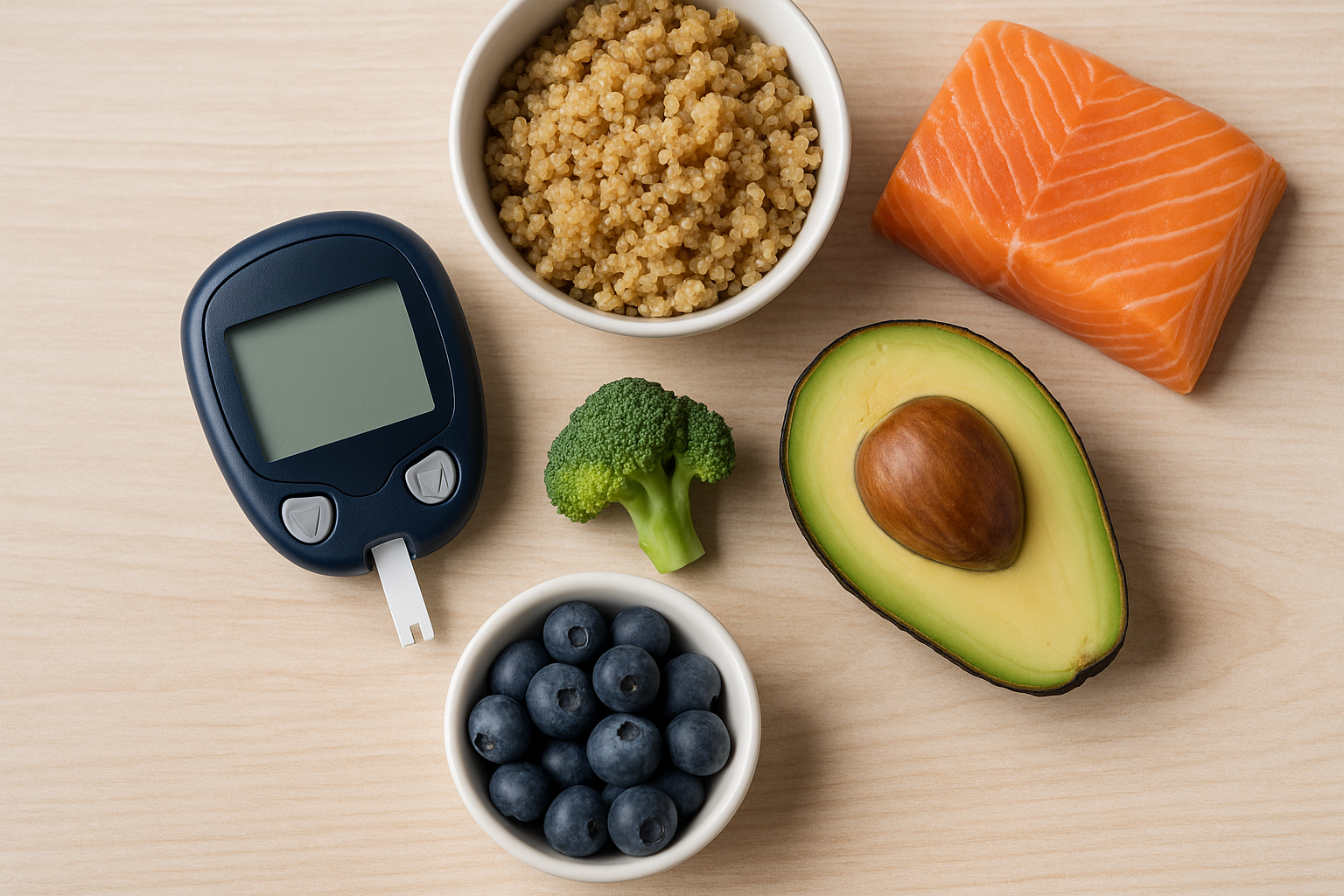
Understanding Diabetes and the Importance of Diet
Diabetes is a chronic condition characterized by high blood sugar levels. Managing diabetes effectively requires a combination of medication, physical activity, and, most importantly, a well-balanced diet. For those diagnosed with diabetes, consuming the right foods is crucial to managing blood sugar levels and preventing complications.
The World Health Organization estimates that global diabetes prevalence is steadily rising and so is the need for awareness and education about dietary patterns that support healthy living with this condition. Recent data from 2026 indicates that as of this year, approximately 10% of adults worldwide are living with diabetes, making dietary education more vital than ever.
Top 5 Foods to Eat If You Have Diabetes
1. Leafy Greens
Leafy greens like spinach, kale, and Swiss chard are rich in essential nutrients and very low in digestible carbs, making them ideal for keeping blood sugar levels stable. They are also high in vitamin C and antioxidants which have been shown to help reduce inflammation and improve blood sugar levels.
A 2026 study published in the Journal of Diabetes Research revealed that individuals who incorporated more leafy greens into their diet had improved insulin sensitivity and better glucose management.
2. Fatty Fish
Fatty fish such as salmon, mackerel, and sardines are excellent sources of omega-3 fatty acids (EPA and DHA), which are vital for heart health. Since those with diabetes are at an increased risk of heart disease, these foods provide a protective role against cardiovascular complications.
There is substantial evidence from the American Heart Association that suggests omega-3 fatty acids can significantly reduce inflammation markers in the body, an important consideration for individuals managing diabetes.
3. Whole Grains
Unlike refined grains, whole grains such as oats, quinoa, and brown rice are high in fiber. Fiber helps slow down the digestion and absorption of carbohydrates, leading to a more stable rise in blood sugar levels. Including whole grains in your diet can aid in better glycemic control.
- Oats: A fantastic breakfast option that supports prolonged energy and steady glucose levels.
- Quinoa: A versatile ingredient that serves as a nutritious base for lunch or dinner.
- Brown Rice: A filling side dish packed with fibers that help manage blood sugar levels.
According to a 2026 report by the American Diabetes Association, individuals consuming more whole grains saw up to a 20% reduction in their risk of developing cardiovascular disease, a common complication of diabetes.
4. Nuts and Seeds
Nuts and seeds are nutrient-dense, offering healthy fats, proteins, and fibers beneficial for diabetes management. Almonds, walnuts, flaxseeds, and chia seeds, in particular, can help regulate blood sugar levels and reduce the risk of heart disease.
Incorporating a small handful of nuts into daily meals or snacks can also aid in weight management, an important aspect as obesity is a significant risk factor for type 2 diabetes.
5. Berries
Rich in antioxidants, vitamins, and fibers, berries like blueberries, strawberries, and raspberries have a low glycemic index and provide a sweet option without spiking blood sugar levels.
A peer-reviewed study from 2026 in the Journal of Human Nutrition and Dietetics found that regular consumption of berries led to improved antioxidant status and had a beneficial effect on insulin sensitivity in adults with type 2 diabetes.
Frequently Asked Questions About Managing Diabetes with Diet
What are the best sources of protein for people with diabetes?
Healthy protein sources such as lean poultry, tofu, legumes, and eggs can support muscle maintenance and overall nutrition while maintaining stable blood sugars. Options like lentils and chickpeas not only provide protein but also deliver necessary fiber, further aiding in blood sugar management.
How can I incorporate these foods into my diet?
Start by integrating some of these foods into your daily meals:
- Add a handful of berries to your morning oatmeal or yogurt.
- Include a leafy green salad with a piece of grilled salmon for lunch.
- Snack on a mix of nuts and seeds in between meals for sustained energy and fullness.
Can people with diabetes eat fruits other than berries?
Yes, people with diabetes can enjoy a wide variety of fruits in moderation. It is important to consider the portion size and choose fruits with lower glycemic indices such as apples, pears, and peaches.
Conclusion
Managing diabetes through diet involves making mindful choices and including foods that naturally help regulate blood sugar. The “Top 5 Foods To Eat If You Have Diabetes,” including leafy greens, fatty fish, whole grains, nuts and seeds, and berries, are excellent starting points. By incorporating these nutritious options into your daily routine, you can enjoy diverse meals while effectively managing diabetes.
Always remember that dietary changes should be discussed with a healthcare provider or a registered dietitian, especially when managing a chronic condition like diabetes. With the right guidance and knowledge, these food choices can lead to a healthier, more balanced life.
References
https://diabetes.org/healthy-living/recipes-nutrition/eating-well
https://www.heart.org/en/healthy-living/healthy-eating/eat-smart/fats/fish-and-omega-3-fatty-acids
https://diabetes.org/healthy-living/recipes-nutrition/eating-well/whole-grains
https://www.hsph.harvard.edu/nutritionsource/nuts-for-heart-health/
https://diabetes.org/healthy-living/recipes-nutrition/eating-well/fruit