Exploring 5 Natural Remedies for Anxiety and Depression Relief
Explore five natural options that may help in easing anxiety and depression symptoms. This article offers insights into herbal remedies and lifestyle changes that can support well-being. By focusing on gentle, supportive practices, these options aim to promote mental health.
Understanding Anxiety and Depression
Anxiety and depression are among the most common mental health conditions affecting millions today. According to the World Health Organization, depression affects over 300 million people worldwide, making it a leading cause of disability. Anxiety disorders are also prevalent, impacting approximately 284 million individuals globally. These conditions can significantly affect daily life, causing emotional and physical symptoms that may seem overwhelming at times.
While traditional treatments, such as medication and therapy, are effective for many, not everyone responds to these approaches. Some individuals seek complementary or alternative forms of relief that align with a more natural lifestyle. In recent years, natural options have gained popularity, offering potential benefits without some side effects associated with pharmaceutical treatments.
Exploring 5 Natural Options for Anxiety and Depression Relief
For those considering natural methods to alleviate anxiety and depression, there are several options supported by research and anecdotal evidence. Here are five natural alternatives worth exploring:
1. Herbal Supplements
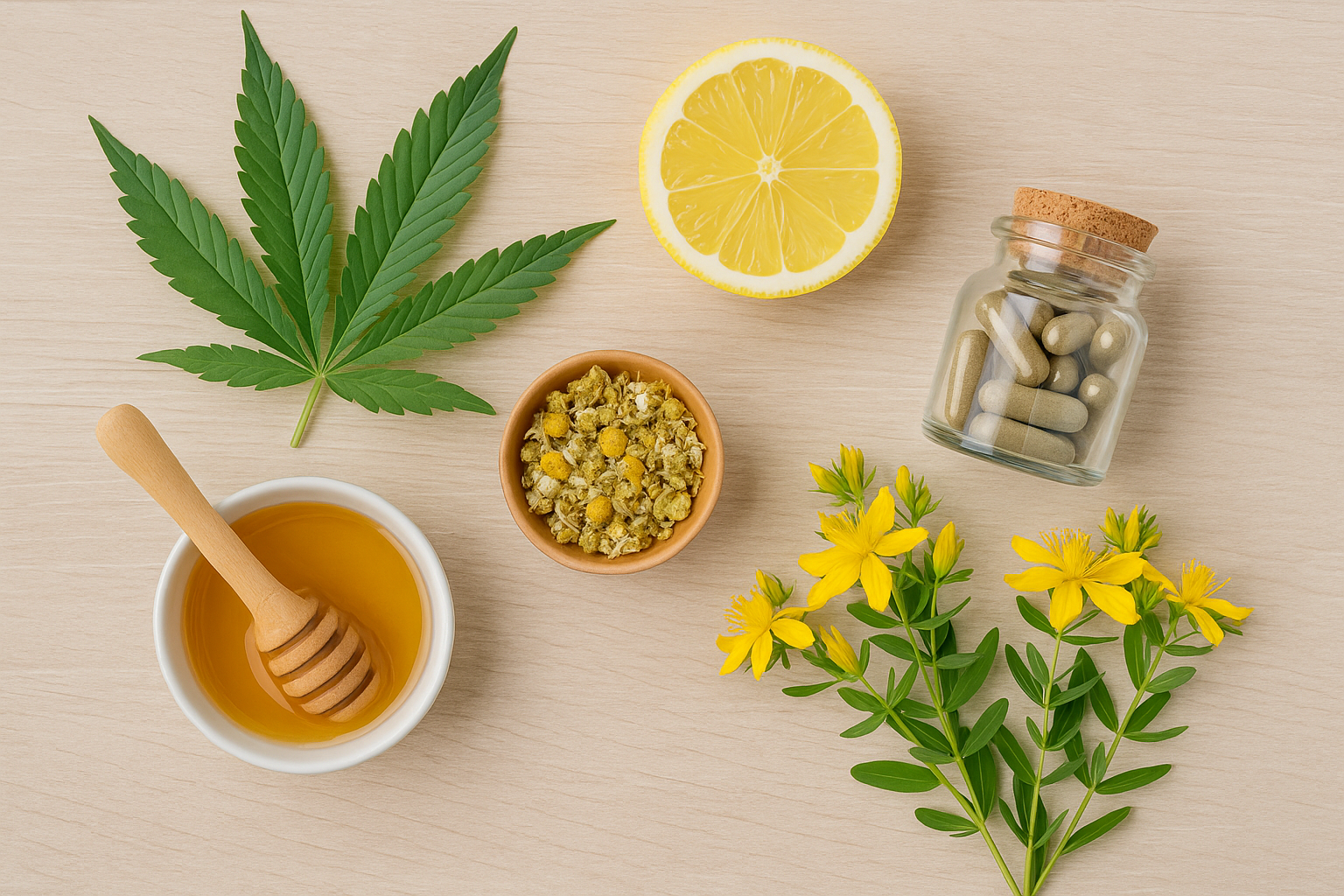
Herbal supplements have been used for centuries to address various health concerns, including mental health. Some of the most researched herbs for anxiety and depression include:
- St. John's Wort: This herb is one of the most well-known for its antidepressant properties. Several studies suggest that it's more effective than a placebo in mild to moderate depression. However, it's crucial to consult with a healthcare provider as it can interfere with other medications. Source
- Valerian Root: Known for its calming effects, valerian root is often used to reduce anxiety and promote sleep. Some studies indicate its potential to improve sleep quality and decrease anxiety levels. Source
- Chamomile: Often consumed as a tea, chamomile has been shown in clinical trials to reduce symptoms of anxiety. It is a gentle herb that can be incorporated into a daily routine. Source
2. Mindfulness and Meditation
Mindfulness and meditation practices have gained substantial attention in recent years as effective methods for reducing stress and improving mental well-being. Mindfulness involves staying present and fully engaged with the current moment without judgment, which can help break cycles of anxiety.
Meditation offers various forms, such as guided meditation, transcendental meditation, and mindfulness-based stress reduction (MBSR). Studies published in 2026 have shown that regular meditation can significantly decrease anxiety and depression symptoms by promoting relaxation and increasing emotional resilience. Source
3. Physical Exercise
Exercise is a powerful tool for improving mental health. Engaging in regular physical activity boosts the release of endorphins and serotonin, chemicals in the brain that improve mood and energy levels. According to recent guidelines by the American Psychological Association, just 30 minutes of moderate exercise five times a week can lead to noticeable improvements in anxiety and depression symptoms.
Types of exercise that are particularly beneficial include:
- Aerobic Exercises: Activities such as walking, running, and cycling are excellent for elevating heart rate and releasing mood-enhancing chemicals.
- Strength Training: Building muscle can improve self-esteem and reduce symptoms of depression.
- Yoga: Combines physical movement with mindfulness, aiding both physical health and relaxation efforts.
4. Nutrition
The role of diet in mental health cannot be overstated. Nutritional psychiatry is an emerging field of research highlighting the importance of a balanced diet for maintaining emotional well-being. Certain nutrients are essential for brain function and mood regulation:
- Omega-3 Fatty Acids: Found in fish like salmon and tuna, these fats can help reduce depression symptoms.
- B Vitamins: Essential for neurological function; can be derived from leafy greens, legumes, and seeds.
- Probiotics: Gut health impacts mental health; foods like yogurt and fermented products can improve gut microbiota.
Maintaining a diet rich in whole foods, while limiting processed foods and sugars, can help create a stable mental foundation. Source
5. Adequate Sleep
Quality sleep is critical for both physical and mental health. Insufficient sleep can exacerbate symptoms of anxiety and depression, leading to a vicious cycle of insomnia and mental distress. Recent research highlighted in 2026 has found that adults require 7 to 9 hours of restorative sleep per night to function optimally.
To improve sleep hygiene, consider the following tips:
- Create a consistent sleep schedule by going to bed and waking at the same time daily.
- Limit exposure to screens and digital devices before bedtime.
- Create a calming bedtime routine, such as reading or taking a warm bath.
Consulting Healthcare Professionals
While natural options can be valuable resources in managing anxiety and depression, it's essential to approach these methods with care. Consulting with a healthcare professional ensures that these alternatives complement any current treatments and are safe given individual health conditions. A holistic approach often yields the best results, combining traditional, natural, and lifestyle therapies for comprehensive mental health care.
Final Thoughts
Choosing the right approach to manage anxiety and depression is deeply personal. Many people find relief through a combination of both conventional and natural methods. The key is to remain informed and supported, ensuring that any chosen path promotes both mental and physical well-being.