Exploring Affordable Health Insurance Options in Canada
Exploring the landscape of health insurance in Canada can be daunting, but discovering options that balance cost and coverage doesn't have to be. Understanding what the cheapest health insurance in Canada entails can unravel ways to save and ensure you have the essential protections.
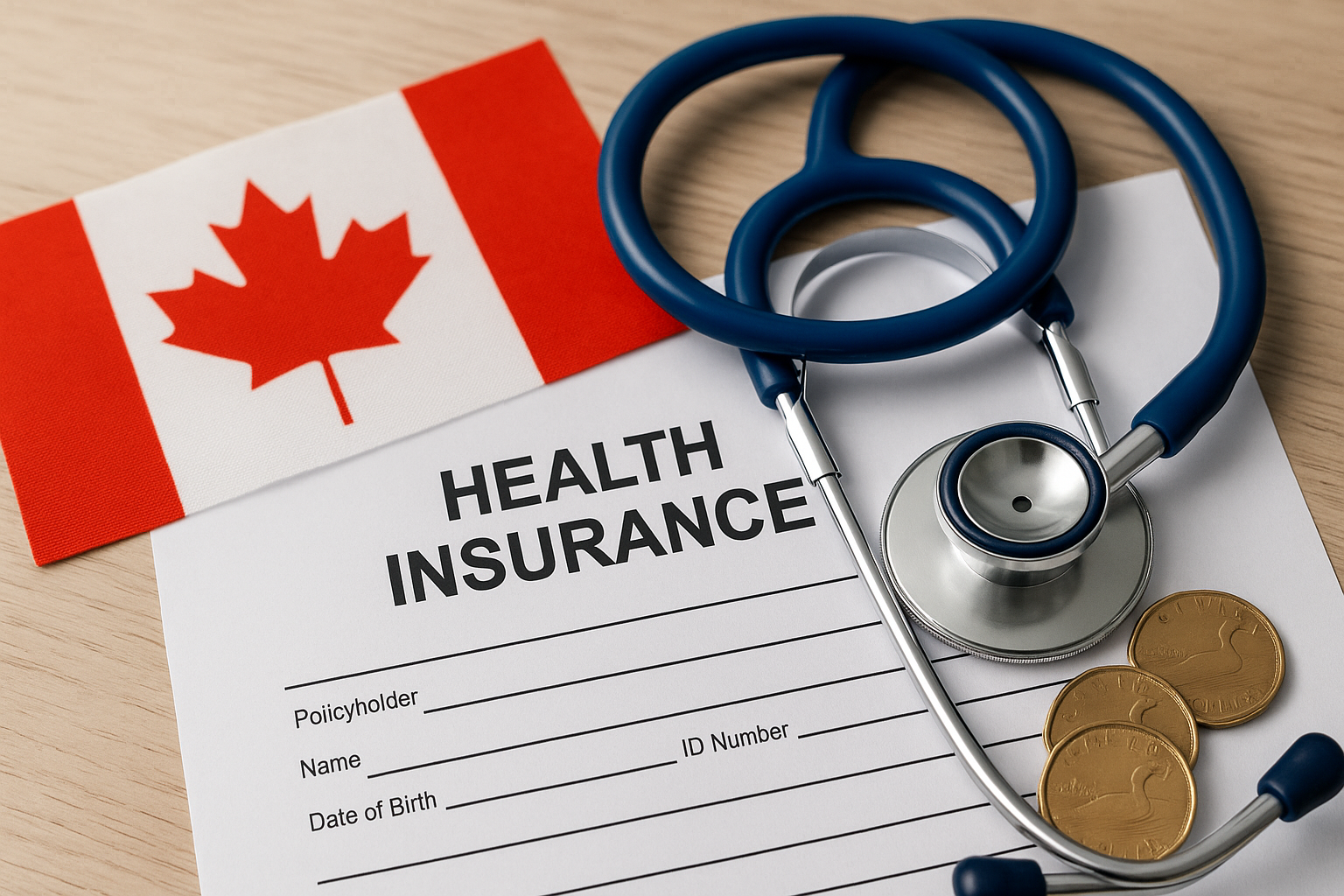
Understanding Health Insurance in Canada
Health insurance in Canada can be a complex topic, particularly because it varies by province and territory. Each region has its own public health insurance program that covers essential medical services. However, many Canadians also opt for private health insurance to cover services and treatments not included in these public plans.
Before delving into the details of the cheapest health insurance options, it's important to understand how the system works and which aspects of health care are typically covered by public versus private plans.
Public Health Insurance in Canada
Every Canadian citizen and permanent resident has access to public health insurance. These programs, also known as Medicare, ensure that necessary hospital and physician services are provided without direct charges at the point of use. However, coverage varies somewhat by location. For instance:
- In Ontario, the Ontario Health Insurance Plan (OHIP) covers visits to your family doctor, hospital stays, and some specialists.
- British Columbia's Medical Services Plan (MSP) provides similar services, but there are premiums for higher-income residents.
While these plans cover major medical needs, they often don't extend to dental care, prescription medications, physiotherapy, ambulance services, and private rooms in hospitals, prompting many Canadians to seek additional private insurance.
Exploring Private Health Insurance Options
Private health insurance can help fill the gaps left by public insurance. These plans are usually offered through employers or can be purchased individually. When looking for the cheapest options, it's vital to consider what coverage you actually need versus what is offered.
Categorizing Private Insurance Plans
Private health insurance plans can generally be categorized into three types:
- Basic Coverage: This includes fundamental health services such as prescription drugs and dental care.
- Comprehensive Coverage: Includes basic services plus extended health care needs like vision care and physiotherapy.
- Catastrophic Coverage: Designed to protect against unforeseen and high-cost medical expenses.
When opting for a private plan, careful comparison is key. Plans may vary significantly in terms of cost, coverage limits, and out-of-pocket expenses.
Finding the Cheapest Health Insurance in Canada
Finding the cheapest health insurance plan requires balancing cost with coverage quality. Here are a few strategies to help identify affordable options:
Utilizing Online Comparison Tools
Online platforms such as Ratehub (see Ratehub Private Health Insurance) and InsuranceHotline allow users to compare insurance plans based on premiums, coverage details, and customer reviews. This helps identify plans that provide the best value for money.
Exploring Group Insurance Plans
If you're employed, your employer might offer a group insurance plan. These plans are often more affordable due to the buying power of a group, spreading risk among many policyholders. Union members or alumni associations often have access to similar group benefits.
Government-Assisted Programs
For those who might have difficulty affording private insurance, examining government-assisted options can be beneficial. Programs like the Trillium Drug Program in Ontario help reduce the cost of prescription medications for those with high costs relative to their income. Check provincial or territorial health websites for similar programs in your area.
Key Considerations When Choosing a Plan
When evaluating health insurance plans, here are important factors to consider:
- Coverage Needs: Ensure the plan covers the services you need most, such as medications, therapy, or specialized care.
- Network Limitations: Check if your preferred doctors and hospitals are part of the insurance network.
- Deductibles and Out-of-Pocket Costs: Lower premiums may mean higher deductibles, so be sure to calculate potential annual expenses.
- Reputation and Customer Service: Research the insurance provider’s reputation for claims handling and customer service.
Real-Life Example
Consider Jane, a freelancer living in Toronto. After researching her needs, she opted for a plan that offered essential prescription, dental, and vision coverage without unnecessary extras. By using a comparison tool, she found a plan through Sun Life Financial that offered affordable premiums with reputable service.
Conclusion
Finding the cheapest health insurance in Canada requires a nuanced approach that considers both personal health needs and financial capabilities. Utilizing online resources and consulting with insurance experts can provide valuable insights and help select the most suitable plan. Remember, the goal is to ensure comprehensive health coverage without incurring unnecessary financial strain.
For further information, consider consulting resources like the Government of Canada’s health insurance overview (Health Cards Explained) or reaching out to a licensed insurance broker who can provide tailored advice based on your specific circumstances.