Exploring Car-Related Benefits for Disabled Veterans Through the VA
Explore the possibilities! Discover whether disabled veterans get car-related benefits from the VA. This article delves into the potential support options available, revealing essential details that every veteran should know.
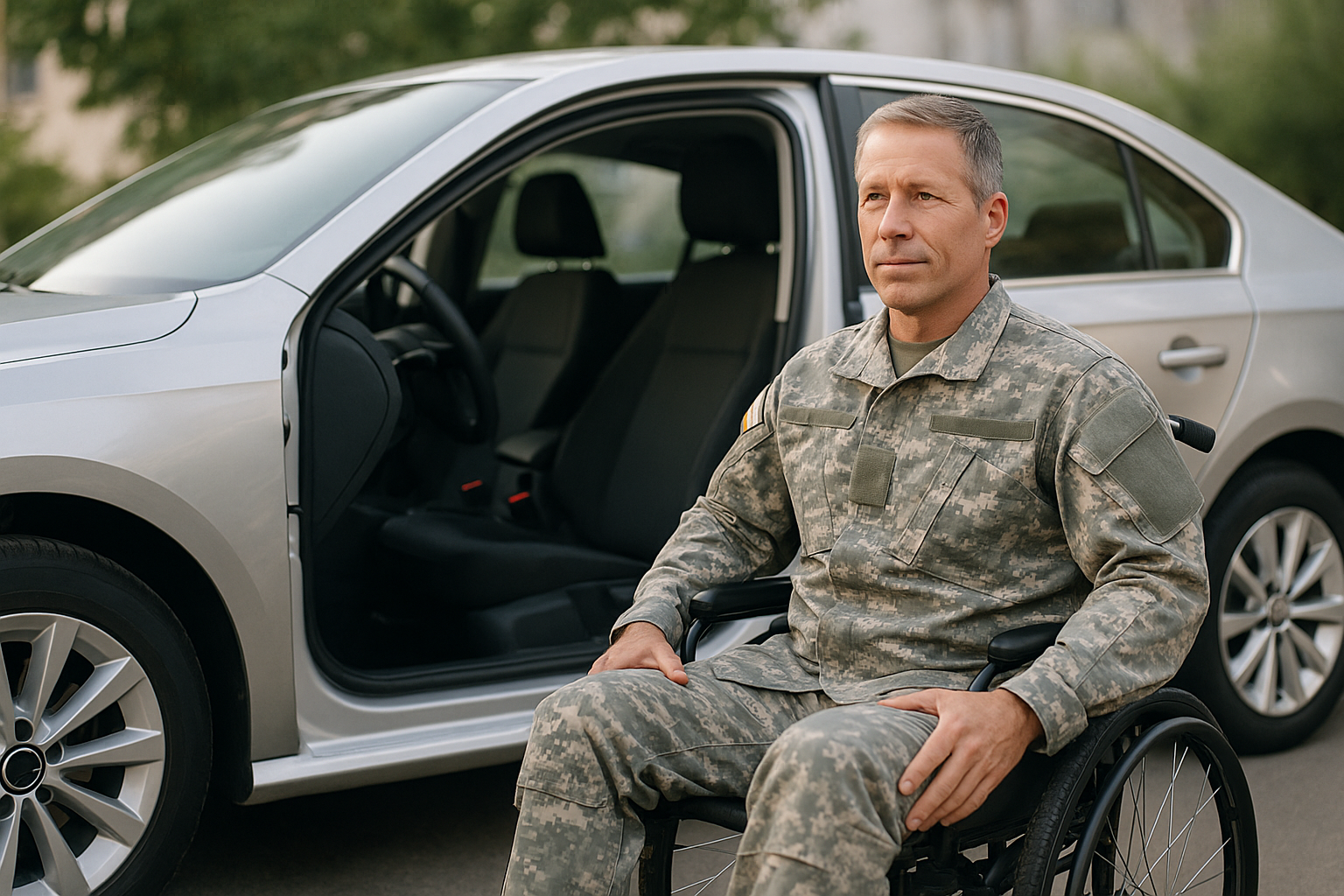
Understanding Car-related Benefits for Disabled Veterans
For disabled veterans in the United States, the process of reintegrating into civilian life can pose several unique challenges. Among these are transportation needs, where certain benefits may be available to help qualifying veterans acquire and equip vehicles suited to their mobility needs. If you or someone you know is a disabled veteran, you may be curious about what benefits the Department of Veterans Affairs (VA) offers. This article aims to elucidate those options, offer guidance on eligibility, and explain how these benefits can be accessed.
Types of Car-related Benefits Available
The VA offers several types of assistance related to automobiles for disabled veterans. These benefits are designed to help veterans overcome transportation barriers, making it possible for them to lead more independent lives. Below are the primary car-related benefits provided by the VA:
- Automobile Allowance: A one-time payment of up to $22,000 (as of 2026) to help purchase a specially equipped vehicle. This covers vehicles that may need modifications for accessibility.
- Adaptive Equipment Grant: Regular grants available to repair, replace, or install adaptive equipment, such as power steering, power windows, or power lifts, which make driving more accessible for disabled veterans.
Eligibility Criteria for Car-related Benefits
Not every disabled veteran is automatically eligible for automotive benefits from the VA. There are specific criteria that applicants must meet, typically related to the nature and extent of their service-connected disabilities. Key eligibility requirements include:
- The veteran must have a service-connected disability, including a loss or permanent loss of use of one or both feet, loss or permanent loss of use of one or both hands, or permanent impairment of vision in both eyes.
- The disability conditions must be evaluated and deemed sufficient by the VA to warrant automobile or adaptive equipment assistance.
It's important to consult with a VA representative or use the VA's resources to confirm your eligibility before proceeding with an application.
How to Apply for These Benefits
Applying for automobile and adaptive equipment benefits involves several steps, where precision and thoroughness are crucial for a successful application. Here's how you can apply:
- Complete and submit VA Form 21-4502, Application for Automobile or Other Conveyance and Adaptive Equipment. This can be done online, by mail, or in person at a VA Regional Office.
- Once approved, coordinate with car dealers and manufacturers specifically working with VA for veterans' needs to either purchase a vehicle or modify your current vehicle.
- Consult your VA health care provider or a certified prosthetic representative to get approval and installation of adaptive equipment.
Be proactive in tracking your application status and ensure all required documentation is properly submitted to avoid delays.
Real-life Success Stories
Gaining insight from those who have effectively utilized these benefits can be invaluable. Consider Carl, a disabled veteran from Ohio, who was able to purchase a specially equipped van with his automobile allowance benefit. This van included modifications such as wheelchair lifts and hand controls, enabling Carl to regain his independence and significantly enhancing his quality of life.
Testimonials like Carl's underscore the transformative power of these benefits, illustrating their critical role in supporting disabled veterans. These resources not only improve personal mobility but also contribute to broader social and economic participation.
Recent Developments and Future Outlook
The landscape of veterans' benefits is continually evolving. As of 2026, funding adjustments like the raised cap on the automobile allowance reflect broader policy efforts to cater to the needs of veterans more comprehensively.
Looking forward, advocacy groups and policymakers continue to push for increased support and greater accessibility. Future initiatives may broaden eligibility criteria or increase financial support, making a meaningful impact on the lives of veterans across the country.
For further, up-to-date information, consider resources such as the VA's official website or organizations like the Disabled American Veterans, both of which offer comprehensive guidance on these benefits and more.
Conclusion: Making the Most of Available Benefits
Navigating VA benefits can initially be challenging, but understanding the available options, eligibility criteria, and the application process is a critical first step. Ensuring that you or your loved ones have access to mobility is paramount in fostering independence and quality of life.
For veterans coping with service-related disabilities, these benefits offer a pathway to overcoming mobility challenges and enhancing daily living. By staying informed and making use of available resources, disabled veterans have the ability to reclaim their independence on the road and in their lives.
https://www.va.gov/disability/eligibility/special-claims/automobile-allowance-adaptive-equipment/
https://www.va.gov/disability/compensation-rates/special-benefit-allowance-rates/
https://www.va.gov/forms/21-4502/
https://www.rehab.va.gov/PROSTHETICS/psas/AAE.asp
https://www.va.gov/health-care/file-travel-pay-reimbursement/