Exploring Cutting-Edge Osteoporosis Treatments Coming in 2026
The landscape of osteoporosis management is changing rapidly, and 2026 is poised to introduce some truly groundbreaking treatments. To help you understand what's on the horizon, we're breaking down the most promising new options ahead.
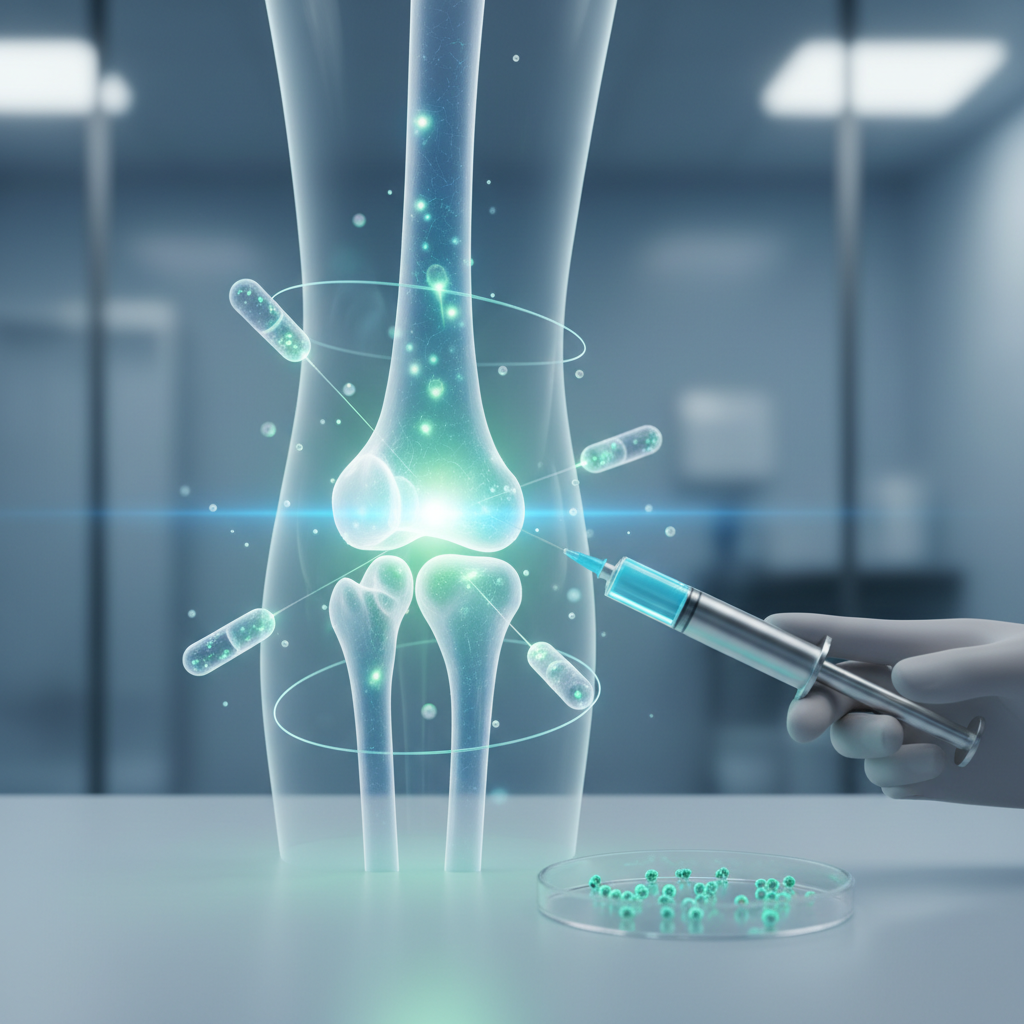
Emerging Osteoporosis Treatments on the Horizon for 2026
The landscape of osteoporosis treatment is on the brink of a significant transformation. As we look toward 2026, scientific advancements are paving the way for therapies that are more targeted, effective, and potentially regenerative. These future treatments move beyond simply slowing bone loss and focus on actively rebuilding bone, offering new hope for millions. Here’s a look at the most promising advanced treatment options expected to be making waves by 2026.
1. Next-Generation Sclerostin Inhibitors
Sclerostin inhibitors represent a major breakthrough in osteoporosis care due to their dual-action mechanism. They work by blocking sclerostin, a protein that naturally limits bone formation. By inhibiting this protein, these drugs simultaneously stimulate the activity of osteoblasts (bone-building cells) and reduce the activity of osteoclasts (bone-resorbing cells). This powerful combination leads to a rapid and substantial increase in bone mineral density (BMD) and a significant reduction in fracture risk.
While the first-generation sclerostin inhibitor, Romosozumab (Evenity), is already in use, the focus by 2026 will be on next-generation versions. Researchers are exploring formulations with improved safety profiles, potentially minimizing cardiovascular risks that have been a concern. Furthermore, development may lead to versions that require less frequent administration or can be delivered via more convenient methods, enhancing patient compliance and overall effectiveness in long-term management.
2. Advanced Cathepsin K Inhibitors
Cathepsin K is an enzyme that plays a crucial role in the breakdown of bone by osteoclasts. Inhibiting this enzyme offers a highly targeted way to reduce bone resorption without significantly impacting bone formation. Unlike bisphosphonates, which can sometimes suppress overall bone turnover, Cathepsin K inhibitors are designed to uncouple the processes, allowing bone-building to continue while bone breakdown is paused. This selective action helps maintain the natural cycle of bone remodeling more effectively.
The development journey for this class of drugs has been cautious, with an earlier candidate, Odanacatib, being discontinued due to concerns about side effects. However, the promise of this targeted approach has spurred new research. By 2026, we expect to see newer, safer Cathepsin K inhibitors emerging from clinical trials. These advanced versions will have been engineered to have a better safety profile, providing a powerful anti-resorptive option for patients who may not tolerate other therapies well.
3. Oral Formulations and Long-Acting PTH Analogs
Parathyroid hormone (PTH) analogs, such as Teriparatide and Abaloparatide, are potent anabolic agents that stimulate new bone formation. Currently, they are administered as daily injections, which can be a significant barrier for some patients. The next frontier for this class of drugs involves making them more user-friendly and accessible. Research is heavily focused on developing an effective oral formulation that can survive the digestive system and be absorbed into the bloodstream.
In addition to oral options, scientists are working on long-acting injectable versions that might be administered weekly or even monthly. This would dramatically improve convenience and adherence to treatment plans. By 2026, it is highly plausible that at least one of these advanced delivery systems will be available, transforming how anabolic therapies are used and making them a more viable option for a broader range of patients with severe osteoporosis.
4. RNA Interference (RNAi) Therapies
Perhaps one of the most futuristic approaches on the horizon is the use of RNA-based therapies, specifically RNA interference (RNAi). This technology works by using small pieces of RNA to "silence" or turn off specific genes. In the context of osteoporosis, RNAi therapies could be designed to target genes that promote the activity of osteoclasts or inhibit the function of osteoblasts. By precisely switching off these negative signals at a genetic level, it may be possible to shift the balance toward bone formation.
The primary advantage of RNAi therapy is its potential for long-lasting effects from a single treatment, possibly requiring administration only once or twice a year. While still in earlier stages of development for bone disorders, the rapid advancement of RNA technology (as seen with mRNA vaccines) suggests that by 2026, we could see promising clinical trial data for osteoporosis. This represents a paradigm shift from managing symptoms to intervening at the genetic source of bone loss.
5. Stem Cell Therapy and Regenerative Medicine
Regenerative medicine aims to repair or replace damaged tissue, and for osteoporosis, the focus is on using stem cells to regenerate healthy bone. Mesenchymal stem cells (MSCs) are of particular interest because they have the ability to differentiate into bone-forming osteoblasts. The therapeutic concept involves harvesting these cells (often from the patient's own bone marrow or fat tissue), expanding them in a lab, and then re-introducing them into the body to promote bone repair.
While systemic stem cell therapy for generalized osteoporosis is still being explored, localized applications are showing great promise. By 2026, this approach may become a viable option for treating non-healing fractures or for localized areas of severe bone loss, such as in avascular necrosis of the hip. The ultimate goal is to develop methods that can systemically encourage a patient's own stem cells to build bone throughout the skeleton, effectively reversing the damage of osteoporosis.
The Evolution of Osteoporosis Management: A Look Back
Understanding the significance of these future treatments requires a look at how far we've come. For decades, the primary tools for managing osteoporosis were relatively simple: calcium and vitamin D supplementation to provide the basic building blocks for bone. While essential, these supplements alone were often not enough to halt the progression of the disease in high-risk individuals.
The first major pharmacological revolution came with the introduction of bisphosphonates in the 1990s, such as Alendronate (Fosamax). These drugs became the cornerstone of treatment by binding to bone surfaces and inhibiting the osteoclasts that break bone down. Following this, Selective Estrogen Receptor Modulators (SERMs) like Raloxifene offered an alternative, particularly for postmenopausal women. The next leap forward was the development of biologic drugs. Denosumab (Prolia), a monoclonal antibody, provided a more targeted way to inhibit osteoclast formation, and the first anabolic agents like Teriparatide (Forteo) offered a way to actively build new bone, not just preserve existing bone.
This steady progression from foundational supplements to anti-resorptive agents and finally to anabolic therapies has set the stage for the next wave of innovation. The treatments on the horizon for 2026 build on these principles, aiming for dual-action mechanisms, greater precision, improved convenience, and even regenerative potential, marking a new and exciting era in the fight for bone health.
Answering Your Questions About Future Osteoporosis Care
How Will the Diagnosis of Osteoporosis Change by 2026?
While the DEXA (dual-energy X-ray absorptiometry) scan will likely remain the gold standard for measuring bone mineral density, the way we diagnose and assess fracture risk is set to become much more sophisticated by 2026. Artificial intelligence (AI) and machine learning algorithms will play a much larger role. These systems can analyze DEXA scans and other imaging data with a level of detail far beyond human capability, identifying subtle structural weaknesses in the bone's microarchitecture that are strong predictors of fracture risk.
Another key advancement will be the expanded use of biochemical markers. Simple blood or urine tests that measure bone turnover markers (such as CTX and P1NP) can give doctors a real-time snapshot of a patient's bone remodeling activity. In the future, this data will be used not just to diagnose but to monitor treatment effectiveness almost instantly. Instead of waiting a year or two for a follow-up DEXA scan, a doctor could determine if a therapy is working within weeks, allowing for rapid adjustments to a patient's treatment plan.
This combination of advanced imaging analysis and real-time biochemical feedback will lead to a much more proactive and personalized approach. Risk assessment will move beyond a simple BMD score to a comprehensive profile that includes genetics, lifestyle, and dynamic bone activity, allowing for earlier and more targeted interventions.
What Is the Role of Personalized Medicine in Treating Osteoporosis?
The concept of "one-size-fits-all" treatment for osteoporosis is rapidly becoming outdated. By 2026, personalized medicine will be central to how clinicians approach bone health. This means tailoring treatment choices to an individual's unique biological and genetic profile. For instance, genetic testing may identify patients who are predisposed to a rapid rate of bone loss or who may respond better to a specific class of drugs, such as a sclerostin inhibitor versus a bisphosphonate.
Personalization will also extend to treatment intensity and duration. Using bone turnover markers, a physician will be able to determine the optimal dose and frequency of a medication for a specific patient, minimizing side effects while maximizing benefits. A patient with very high bone resorption might start with a potent anti-resorptive agent, while a patient with sluggish bone formation might be a prime candidate for an anabolic therapy. This data-driven approach ensures that each patient receives the right drug at the right time.
Ultimately, personalized medicine integrates genetic information, biomarker data, and lifestyle factors to create a holistic treatment strategy. This moves away from treating osteoporosis as a single disease and toward managing it as a unique condition in each person, leading to better outcomes and a higher quality of life.
A Glimpse into the Future of Bone Health
The journey toward 2026 promises a new era in the management of osteoporosis. The focus is shifting decisively from merely slowing bone loss to actively stimulating bone growth and regeneration. With advancements in targeted biologics, RNA-based therapies, and regenerative medicine, treatments are becoming more powerful and precise. Paired with more sophisticated diagnostic tools and a personalized approach to care, these innovations offer the potential for stronger bones and a future with fewer debilitating fractures.