Exploring Delicious and Natural Sources of Plant-Based Antioxidants
Looking to boost your diet with powerful plant-based antioxidants? You're in the right place. From vibrant berries and leafy greens to surprising sources like spices and even dark chocolate, the options are as delicious as they are effective.
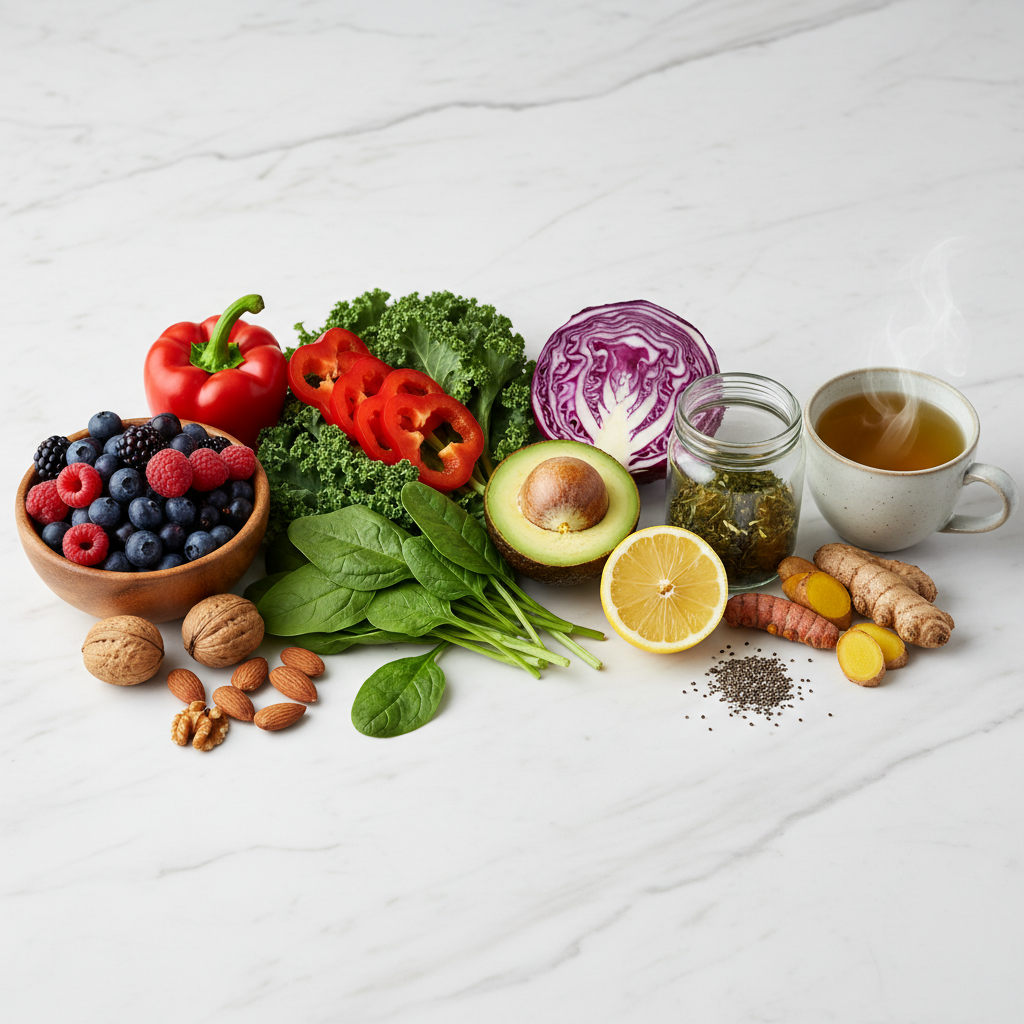
Powerful Plant-Based Sources of Antioxidants
Incorporating a variety of plant-based foods into your diet is one of the most effective ways to boost your intake of antioxidants. These powerful compounds help protect your cells from damage and are found in abundance in fruits, vegetables, nuts, and more. Here are some of the best plant-based antioxidant options to consider adding to your daily meals.
1. Berries
Berries are consistently ranked among the most antioxidant-rich foods you can eat. Blueberries, strawberries, raspberries, and blackberries are packed with a class of antioxidants called anthocyanins, which are responsible for their vibrant red, blue, and purple colors. These compounds have been extensively studied for their role in supporting brain health, improving memory, and protecting against cellular aging. Blueberries, in particular, are celebrated for their high concentration of these powerful flavonoids.
Beyond anthocyanins, berries are also an excellent source of vitamin C and ellagic acid, another potent antioxidant. Enjoying a cup of mixed berries can significantly contribute to your daily antioxidant needs. They are incredibly versatile and can be added to oatmeal, yogurt, smoothies, or simply eaten fresh as a snack. For the highest antioxidant content, choose berries that are ripe and deeply colored.
2. Dark Leafy Greens
Greens like spinach, kale, and collard greens are nutritional powerhouses for many reasons, including their impressive antioxidant profile. They are rich in carotenoids, such as beta-carotene, lutein, and zeaxanthin. Your body can convert beta-carotene into vitamin A, which is essential for vision and immune function. Lutein and zeaxanthin are particularly important for eye health, as they accumulate in the retina and help filter harmful blue light, potentially reducing the risk of age-related macular degeneration.
To get the most out of these greens, it's beneficial to consume them both raw and cooked. Some antioxidants, like the ones found in spinach, become more bioavailable when lightly steamed or sautéed. A large salad with a spinach base, a kale smoothie, or a side of sautéed collard greens are all fantastic ways to load up on these protective nutrients.
3. Dark Chocolate and Cacao
For those with a sweet tooth, dark chocolate is a delicious source of antioxidants. Raw cacao and dark chocolate with a high percentage of cocoa solids (70% or more) are rich in flavonoids and polyphenols, specifically flavanols. These compounds have been linked to improved cardiovascular health by helping to lower blood pressure, improve blood flow to the brain and heart, and make blood platelets less sticky.
When choosing dark chocolate, the higher the cocoa content, the more antioxidants it will contain and the less sugar it will have. A small square of high-quality dark chocolate can be a satisfying and health-promoting treat. You can also use unsweetened cocoa powder in smoothies, oatmeal, or homemade energy bites to get the benefits without the added sugar often found in commercial chocolate bars.
4. Artichokes
Artichokes are a surprisingly potent source of antioxidants. They contain a unique mix of compounds, including cynarin and silymarin, which are known for their beneficial effects on liver health. These antioxidants can help protect the liver from damage and promote the growth of new tissue. Artichokes are also high in chlorogenic acid, which may help regulate blood sugar levels and support healthy metabolism.
While preparing a whole artichoke might seem intimidating, it's well worth the effort. The hearts and the fleshy part of the leaves are edible and delicious. Steamed, boiled, or grilled artichokes served with a healthy dip make for an excellent appetizer or side dish. Canned or jarred artichoke hearts (packed in water or olive oil) are a convenient alternative for adding to salads, pasta, or pizzas.
5. Nuts and Seeds
Walnuts, pecans, sunflower seeds, and chia seeds are not only great sources of healthy fats and protein but are also loaded with antioxidants. Walnuts and pecans stand out for their high polyphenol content, which contributes to their anti-inflammatory properties and supports heart health. Many nuts and seeds are also one of the best plant-based sources of vitamin E, a fat-soluble antioxidant that protects cell membranes from oxidative damage.
A small handful of mixed nuts and seeds makes for a filling and nutrient-dense snack. You can also sprinkle them over salads, yogurt, or oatmeal to add a crunchy texture and an antioxidant boost. Nut butters are another easy way to incorporate them, but be sure to choose varieties without added sugars or hydrogenated oils.
6. Beans and Legumes
Beans and legumes, especially those with dark skins like black beans and red kidney beans, are an affordable and excellent source of antioxidants. Like berries, their deep colors come from anthocyanins. These versatile foods are also packed with fiber and plant-based protein, making them beneficial for digestive health and blood sugar management. Lentils and chickpeas also contain valuable antioxidant compounds like saponins and kaempferol.
Beans are a fantastic base for soups, stews, and chilis. They can be added to salads, mashed into dips like hummus, or used to make plant-based burgers. Canned beans are a convenient option; just be sure to rinse them thoroughly to remove excess sodium before using.
7. Green Tea
Green tea has been consumed for centuries for its health benefits, which are largely attributed to its high concentration of antioxidants called catechins. The most powerful and well-studied catechin in green tea is epigallocatechin gallate (EGCG). EGCG has been shown to have strong anti-inflammatory effects and may play a role in protecting brain cells and supporting metabolic health.
To maximize the antioxidant content of your green tea, it's best to use hot (but not boiling) water and let it steep for a few minutes. Over-boiling the water or steeping for too long can destroy some of the delicate catechins and result in a bitter taste. Matcha, which is a powdered form of green tea, is even more concentrated in antioxidants because you consume the entire leaf.
Understanding Antioxidants: What They Are and Why We Need Them
To fully appreciate the benefits of the foods listed above, it's helpful to understand the science behind antioxidants. At a basic level, our bodies are constantly undergoing metabolic processes that create unstable molecules called free radicals. Exposure to external factors like pollution, UV radiation, and cigarette smoke can also generate these molecules. While some free radicals are a normal part of cellular function, an excessive amount can cause a state of imbalance known as oxidative stress.
Oxidative stress is damaging because free radicals are highly reactive and can harm vital components of our cells, including DNA, proteins, and cell membranes. This cellular damage is believed to be a contributing factor to the aging process and a wide range of chronic health conditions. Think of it like rust forming on metal—oxidative stress is a similar corrosive process happening inside our bodies.
This is where antioxidants come in. Antioxidants are stable molecules that can donate an electron to a free radical, effectively neutralizing it and stopping the damaging chain reaction. Our bodies produce some antioxidants on their own, but we rely heavily on our diet to get a sufficient supply. A diet rich in a diverse range of plant-based antioxidants provides a comprehensive defense system that helps protect our cells, reduce inflammation, and support overall long-term health.
Common Questions About Plant-Based Antioxidants
How Does Cooking Affect Antioxidants in Food?
The effect of cooking on antioxidants is complex and varies depending on the specific antioxidant and the cooking method. Some antioxidants, like vitamin C, are heat-sensitive and water-soluble. Boiling vegetables like broccoli or bell peppers can cause a significant amount of vitamin C to leach out into the water and be lost. For these nutrients, steaming, stir-frying, or eating them raw is often the best approach to preserve their content.
Conversely, cooking can actually increase the bioavailability of other antioxidants. For example, the lycopene in tomatoes—a powerful carotenoid antioxidant—is more easily absorbed by the body after the tomatoes have been cooked. Similarly, the beta-carotene in carrots and sweet potatoes becomes more accessible after heating. The key takeaway is to embrace a variety of preparation methods. A balanced diet that includes both raw salads and cooked vegetable dishes will ensure you're getting the full spectrum of benefits.
Can You Get Too Many Antioxidants?
For the vast majority of people, getting too many antioxidants from whole food sources is practically impossible. The human body is well-equipped to process and utilize the nutrients found in fruits, vegetables, and other plant foods. Eating a wide variety of these foods provides a balanced mix of different antioxidants that work together synergistically, along with fiber, vitamins, and minerals that support their function.
The concern about "too many" antioxidants primarily arises from the use of high-dose supplements. Some studies have shown that taking isolated, high-concentration antioxidant supplements (like beta-carotene or vitamin E) can be ineffective or even harmful in certain populations. In high doses, these isolated compounds can sometimes act as "pro-oxidants," causing the very damage they are meant to prevent. The safest and most effective strategy is to prioritize getting your antioxidants from a colorful, diverse, and plant-rich diet.
What is an ORAC Score?
You may have come across the term "ORAC score" when reading about antioxidant-rich foods. ORAC stands for Oxygen Radical Absorbance Capacity, which was a lab test used to measure the total antioxidant capacity of a food. For a time, foods were ranked by their ORAC score, with items like cloves, acai berries, and sumac scoring very highly. It was seen as a simple way for consumers to identify "superfoods."
However, the U.S. Department of Agriculture (USDA) removed its ORAC database for public use in 2012. The primary reason was that the values, which were determined in a test tube (in vitro), did not necessarily translate to how those antioxidants would behave in the human body (in vivo). The body's absorption and utilization of antioxidants is a highly complex process. While a high ORAC score can still be a general indicator of a food's potential, it's no longer considered the definitive measure of a food's health benefit. The focus has shifted back to the importance of a varied diet rich in all types of colorful plants.
Conclusion
Boosting your antioxidant intake doesn't require expensive supplements or exotic foods. By focusing on incorporating a colorful variety of plant-based options like berries, dark leafy greens, beans, nuts, and dark chocolate, you can provide your body with a powerful defense against cellular damage. Each of these foods offers a unique profile of protective compounds, underscoring the importance of a diverse and balanced diet for long-term health and well-being.