Exploring Different Types of Medical Marijuana Trials: What to Know Before You Join
Discover the various types of medical marijuana trials you can join and contribute to groundbreaking research. These trials offer opportunities to explore innovative treatments while participating in scientific advancements.
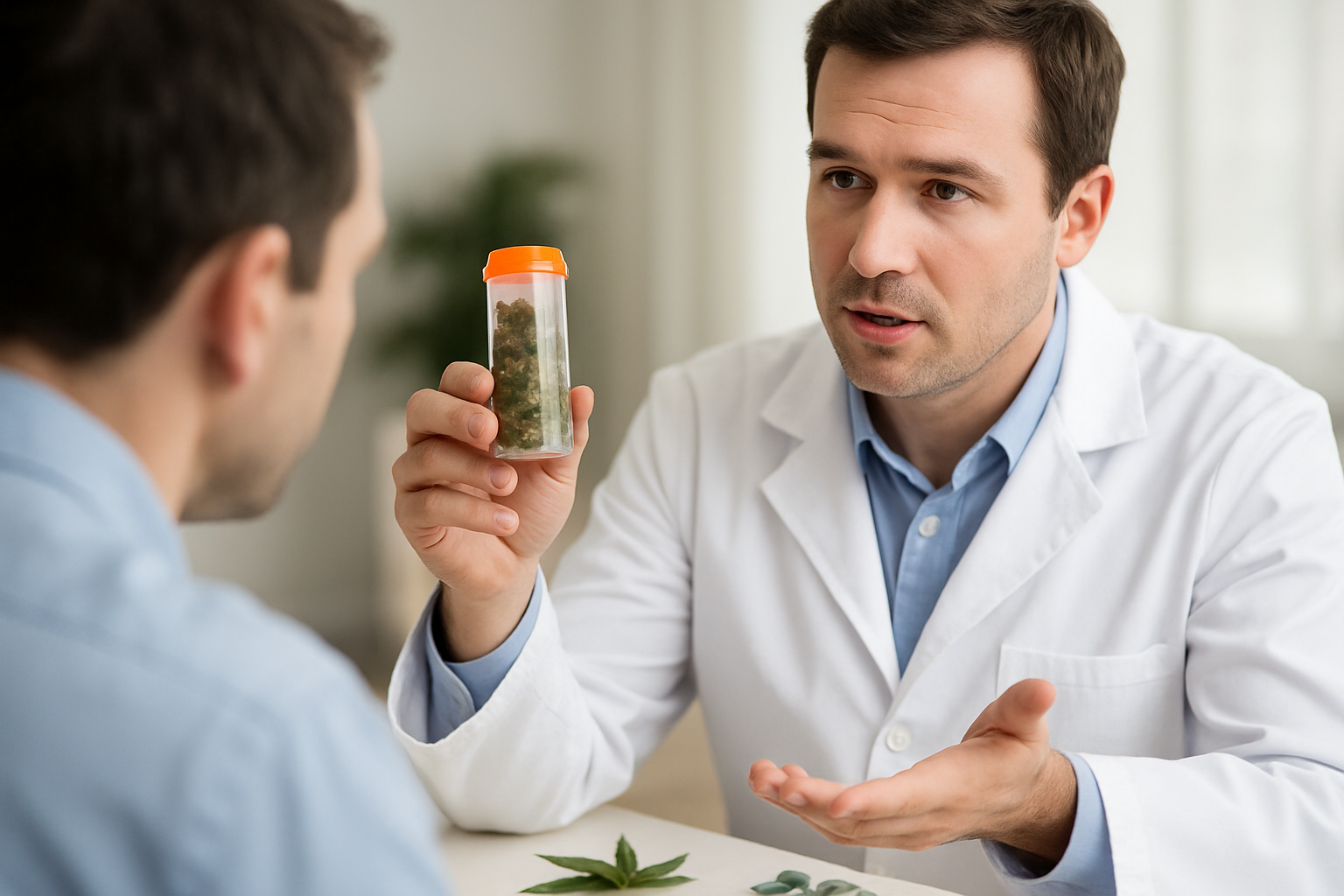
Understanding Medical Marijuana Trials
Medical marijuana has been a topic of much debate and research in recent years. With evolving laws and increasing acceptance of its therapeutic potential, joining a medical marijuana trial has become an intriguing opportunity for many. These trials are crucial for expanding our understanding of cannabis and developing new treatments for various medical conditions.
So, what exactly are these trials, and how can you participate? In this article, we'll dive into the various types of medical marijuana trials you can join, what they involve, and what you need to consider before participating.
Types of Medical Marijuana Trials
Clinical Trials
Clinical trials are structured research studies conducted with human participants to evaluate the effects and safety of a treatment. In the context of medical marijuana, these trials aim to understand the efficacy of cannabis in treating specific medical conditions, like chronic pain, epilepsy, and PTSD.
- Randomized Controlled Trials (RCTs): These are considered the gold standard in clinical research. Participants are randomly assigned to either the treatment group (receiving medical marijuana) or a control group (receiving a placebo).
- Open-label Trials: In these studies, both researchers and participants know who is receiving the actual treatment, which helps in real-world settings where placebos are not feasible.
Observational Studies
Unlike clinical trials, observational studies do not involve intervention by researchers. Instead, they focus on observing the effects of medical marijuana on participants' health outcomes over time.
- Cohort Studies: These track participants who are using medical marijuana and compare them to those who are not to identify differences in health outcomes.
- Case-control Studies: In these studies, researchers look backwards to identify factors that might have influenced the outcomes for two groups: those who used cannabis and those who didn't.
Eligibility and Participation
Who Can Join?
Eligibility for medical marijuana trials varies based on several criteria, including the medical condition being studied, age, gender, and prior treatment history. Typically, trials will require participants to meet certain health criteria to ensure safety and reliability of the results.
Often, participants are screened through initial assessments to determine if they are a good fit for the study. If you're interested in joining a trial, look out for calls for participants from research institutions and hospitals in your area.
Participating in the Trial
Participation usually involves a commitment to attend multiple sessions, follow protocol guidelines, and report on your experiences with the treatment. It's crucial to be transparent with the study coordinators about any side effects or issues you encounter.
Some trials may compensate participants for their time, transportation, and any other associated costs. Consider reading the fine print of any consent forms provided before taking part in the study.
Risks and Benefits
Potential Benefits
Joining a medical marijuana trial can provide access to innovative treatments before they are widely available. Participants also contribute to advancing medical knowledge that could benefit others with similar health issues.
Direct benefits depend on the condition being studied and the effectiveness of the marijuana strains used in the trial. Some participants report positive changes like improved pain management and reduced anxiety.
Potential Risks
As with any clinical study, there are inherent risks. Potential side effects of medical marijuana trials can include dizziness, nausea, or emotional changes. There's also a chance that the treatment may not improve your condition.
Engaging in a trial requires weighing the risks and benefits carefully. It's advisable to consult with your healthcare provider before making a decision.
Current Research and Statistics
As of 2026, research in medical marijuana continues to expand. According to a study in the Journal of the American Medical Association, the use of cannabis in controlled clinical trials has shown promise in reducing opioid usage in chronic pain management. Another study highlighted in NCBI states that medical cannabis can significantly improve quality of life for individuals with anxiety disorders.
However, more research is needed, especially long-term studies that can provide comprehensive insights into its efficacy and safety across different demographics and medical conditions.
Conclusion
Participating in a medical marijuana trial can be a rewarding way to contribute to scientific progress while potentially benefiting from cutting-edge treatments. It's important to stay informed, ask questions, and consult with medical professionals along the way. As our understanding of cannabis grows, these trials remain a cornerstone of future medical innovations.
blog/medical-marijuana-clinical-trials
research/participate/clinical-trials/intervention/marijuana?
fda-and-cannabis-research-and-drug-approval-process