Exploring Effective and Proven Treatments for Sleep Apnea
Explore the range of treatments available for sleep apnea, a common disorder that affects breathing during sleep. From lifestyle changes to advanced medical devices and therapies, discover how each option can help manage symptoms effectively.

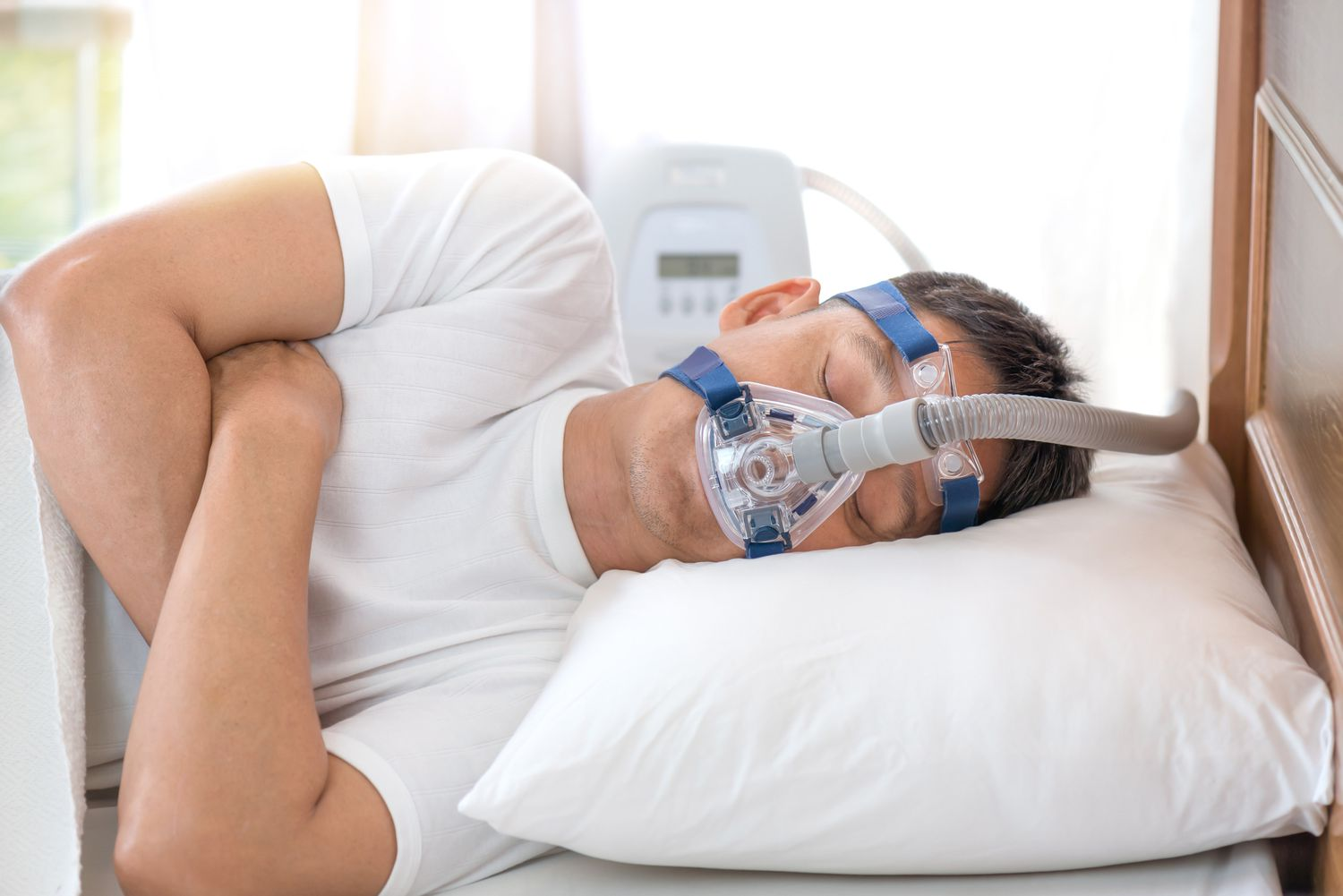
One of the most commonly diagnosed sleep disorders, sleep apnea, poses significant risks to overall health and well-being if left untreated. It is characterized by repeated interruptions in breathing during sleep, often resulting in poor quality sleep and associated health implications. Understanding the available treatments is crucial for those diagnosed with or suspecting they have sleep apnea. This article delves into the various treatment options available, ranging from lifestyle changes to surgical interventions.
Continuous Positive Airway Pressure (CPAP)
CPAP is considered the most effective treatment for obstructive sleep apnea (OSA), the most common form of sleep apnea. The therapy involves wearing a mask that covers the nose or both the nose and mouth while sleeping. The mask is connected to a machine that delivers a continuous stream of air, which keeps the airways open and uninterrupted during sleep.
The benefits of CPAP include the reduction in daytime sleepiness, improvement in quality of sleep, and a decrease in the risk of cardiovascular issues associated with untreated sleep apnea. However, it can be uncomfortable for some users, leading to compliance issues. Modern CPAP machines, with features like humidification and ramp time, are designed to improve user comfort. Learn more about CPAP Therapy
Bilevel Positive Airway Pressure (BiPAP)
For those who find CPAP challenging, BiPAP might be an alternative. BiPAP machines provide two levels of pressure: higher pressure when inhaling and lower pressure when exhaling. This can be more comfortable for some patients, particularly those with higher pressure needs or other respiratory issues. BiPAP is commonly recommended for central sleep apnea and patients with neuromuscular disorders. It is vital to consult a sleep specialist to evaluate the appropriateness of BiPAP versus CPAP.
Oral Appliances
Mandibular advancement devices (MADs) and tongue retaining devices (TRDs) are alternatives for those with mild to moderate obstructive sleep apnea. These oral appliances work by repositioning the lower jaw and tongue to keep the airway open during sleep. They are custom-fitted by dentists with special training in this area.
Oral appliances are less invasive compared to CPAP and require no electricity, making them more convenient for travel. However, they may not be effective for severe cases and can cause jaw discomfort or dental changes in some users.
Lifestyle Modifications and Other Therapies
Many cases of sleep apnea, particularly mild cases, can benefit from lifestyle changes. Some essential modifications include:
- Weight Loss: Obesity is a significant risk factor for sleep apnea. Even a small reduction in weight can have a considerable impact on symptoms.
- Positional Therapy: Positional devices or adjusting sleeping positions can help some patients who have sleep apnea episodes primarily when sleeping on their back.
- Avoid Alcohol and Sedatives: These substances can relax the muscles of the throat, exacerbating sleep apnea symptoms.
- Quit Smoking: Smoking can increase inflammation and fluid retention in the upper airway.
Researchers are also investigating other therapies like myofunctional therapy, which involves exercises to strengthen the tongue and facial muscles, potentially reducing sleep apnea severity. Explore more about Myofunctional Therapy
Surgical Treatments
In severe cases where other treatments are ineffective or unsuitable, surgery might be considered. Surgical options include:
- Uvulopalatopharyngoplasty (UPPP): This procedure removes soft tissue at the back of the throat to widen the airway.
- Genioglossus Advancement (GA): This procedure repositions the tongue muscle attachment to prevent airway collapse.
- Maxillomandibular Advancement (MMA): Involves moving the upper and lower jaw forward to expand the airway.
- Hypoglossal Nerve Stimulation: A device implanted in the chest that stimulates the tongue muscles to keep the airway open during sleep.
Surgery is usually considered when other treatments have failed, and it requires thorough evaluation and discussion of potential risks and benefits with a healthcare provider.
Emerging Treatments and Research
The field of sleep medicine is evolving, and emerging treatments are continuously being researched. One such area is the development of pharmacological treatments targeting the underlying mechanisms of sleep apnea. Additionally, the advancement in technology is paving the way for more efficient and comfortable treatment devices. Regular consultations with sleep specialists are crucial to keep up with the latest treatment options.
It's important for individuals experiencing sleep apnea symptoms to seek a professional diagnosis and discuss treatment options that best suit their specific needs and sub-type of sleep apnea. The right approach can significantly enhance sleep quality and overall health.
lung-disease-lookup/sleep-apnea/treating-and-managing
2025/09/waking-up-to-change-the-new-era-of-sleep-apnea-treatments