Exploring Effective Over-the-Counter Options for Sinus Relief
When sinus pressure and congestion strike, finding the right pill for relief can feel overwhelming. This guide breaks down the main types of medication you'll find, from over-the-counter decongestants and antihistamines to specific pain relievers that target sinus headaches.
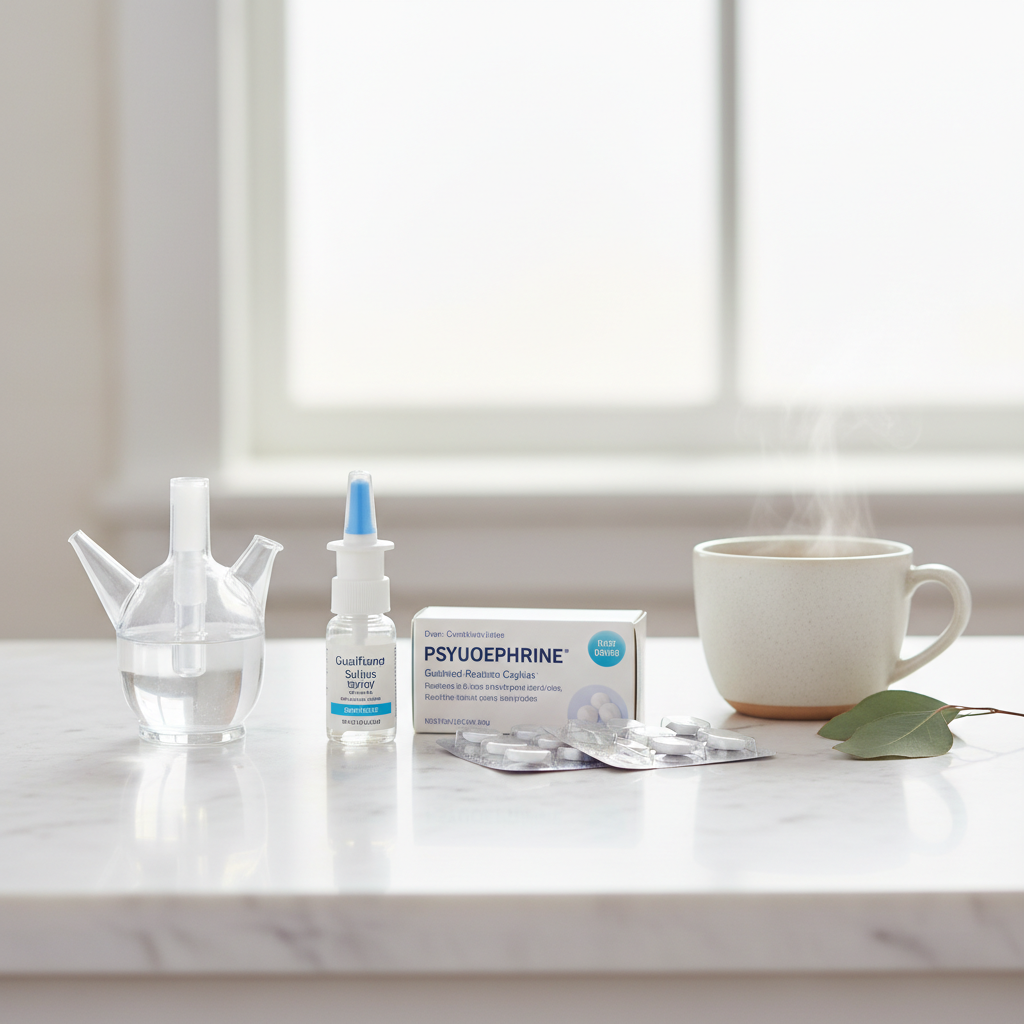
Types of Over-the-Counter Pills for Sinus Relief
When sinus pressure, congestion, and pain strike, navigating the pharmacy aisle can be overwhelming. Understanding the different types of over-the-counter (OTC) medications available can help you choose the right product for your specific symptoms. Each category of pill works in a unique way to provide relief, and some are better suited for certain causes of sinus discomfort than others.
It's crucial to identify what you're feeling. Is it a stuffy nose? A pounding headache? Thick mucus? An allergic reaction? Answering these questions will guide you toward the most effective solution, whether it's a single-ingredient medication or a combination product designed to tackle multiple symptoms at once.
Decongestants (Pseudoephedrine & Phenylephrine)
Decongestants are often the first thing people reach for when they feel that familiar stuffy, blocked-up sensation. These medications work by narrowing the blood vessels in your nasal passages. When you have a cold or allergies, these blood vessels swell, leading to inflammation and congestion. By shrinking them, decongestants reduce the swelling and allow more air to pass through, helping you breathe more easily and alleviating the feeling of pressure.
The two most common oral decongestants are pseudoephedrine and phenylephrine. Pseudoephedrine is generally considered more effective and is sold from behind the pharmacy counter due to regulations, while phenylephrine is widely available on open shelves. Because they stimulate the body, decongestants can cause side effects like increased heart rate, elevated blood pressure, and sleeplessness. They are best used for short-term relief and should be taken with caution by individuals with heart conditions, high blood pressure, or thyroid problems.
Antihistamines (Loratadine, Cetirizine, Diphenhydramine)
If your sinus problems are triggered by allergies, antihistamines are your best bet. Allergies cause your body to release a chemical called histamine, which is responsible for symptoms like sneezing, itching, a runny nose, and watery eyes. These symptoms can directly lead to or worsen sinus congestion. Antihistamines work by blocking the effects of histamine, thereby calming the allergic reaction and reducing the associated inflammation in your nasal passages.
There are different generations of antihistamines. First-generation options like diphenhydramine (Benadryl) are very effective but are known for causing significant drowsiness. Newer, second-generation antihistamines like loratadine (Claritin) and cetirizine (Zyrtec) are non-drowsy or less sedating, making them a better choice for daytime use. While they can help with allergy-driven sinus issues, they aren't typically effective for congestion caused by the common cold, as histamine plays a minimal role in that process.
Pain Relievers (Analgesics)
Sinus inflammation often comes with a painful sidekick: the sinus headache. This throbbing pain, often felt in the forehead, between the eyes, and in the cheekbones, is caused by the pressure building up in your blocked sinus cavities. Over-the-counter pain relievers, or analgesics, are designed specifically to manage this type of discomfort. They don't clear congestion, but they can make the experience of having sinusitis much more bearable.
The primary options include Non-Steroidal Anti-inflammatory Drugs (NSAIDs) like ibuprofen (Advil, Motrin) and naproxen sodium (Aleve), and acetaminophen (Tylenol). NSAIDs have a dual benefit: they not only block pain signals but also reduce inflammation, which can help lessen the swelling in your sinus tissues. Acetaminophen focuses solely on relieving pain. It's important to follow dosage instructions carefully, as excessive use of acetaminophen can harm the liver, while NSAIDs can sometimes cause stomach irritation.
Expectorants (Guaifenesin)
Sometimes the problem isn't just swelling, but thick, stubborn mucus that refuses to drain. This is where expectorants like guaifenesin (found in Mucinex) come in. Unlike a decongestant that shrinks tissue, an expectorant works directly on the mucus itself. It thins the consistency of the mucus, making it less sticky and easier to clear from your airways through coughing or blowing your nose. This helps relieve pressure and prevents the buildup that can lead to bacterial infections.
For an expectorant to work most effectively, you need to drink plenty of water. Staying hydrated helps the medication thin the mucus and keeps your entire respiratory system functioning properly. Guaifenesin is a common ingredient in multi-symptom cold and sinus medications, so it's often combined with a decongestant or pain reliever to provide more comprehensive relief.
Combination Medications
For those experiencing multiple symptoms at once—such as congestion, a headache, and a runny nose—combination medications can be a convenient option. These pills package two or more active ingredients into a single dose. For example, you might find a product that contains a decongestant to clear stuffiness, a pain reliever to fight the headache, and an antihistamine to stop a runny nose.
While convenient, it's vital to read the "Active Ingredients" list on the box before taking any combination product. This ensures you are treating only the symptoms you have and helps you avoid accidentally "doubling up" on an ingredient if you are taking another medication. For instance, many different products contain acetaminophen, and taking too much can be dangerous. Choosing a combination pill that precisely matches your symptoms is the key to safe and effective relief.
Understanding What Causes Sinus Problems
To effectively treat sinus issues, it helps to understand what’s happening inside your head. The sinuses are a system of four pairs of hollow, air-filled cavities located in your skull, connected to your nasal passages. They are lined with a soft, pink tissue called a mucosa. Normally, these cavities produce a thin layer of mucus that traps dust, germs, and other airborne particles. Tiny hairs called cilia sweep this mucus toward openings that lead to the back of your nose, where it can drain away harmlessly.
Sinusitis occurs when this process is disrupted. The mucosal lining becomes inflamed and swells, blocking the openings and trapping mucus and air inside the sinus cavities. This buildup of pressure is what causes the classic symptoms of pain, stuffiness, and facial tenderness. This inflammation can be triggered by a variety of factors.
The most common culprits are viral infections, like the common cold. Allergies are another major trigger, causing a histamine-driven inflammatory response. In some cases, a viral infection can lead to a secondary bacterial infection, which may require different treatment. Other irritants like smoke, dry air, and air pollution can also inflame the sinus lining. For some individuals, chronic sinusitis is a persistent issue due to anatomical factors like a deviated septum or the growth of nasal polyps, which physically obstruct proper drainage.
Common Questions About Sinus Medication
When Should You See a Doctor for Sinus Issues?
Over-the-counter medications are excellent for managing acute, uncomplicated sinusitis that typically accompanies a cold or mild allergies. However, there are situations where self-treatment isn't enough and professional medical advice is necessary. If your symptoms persist for more than 10 days without any improvement, it's a strong sign that you should consult a doctor. Another red flag is if your symptoms initially get better but then suddenly worsen, which could indicate a secondary bacterial infection has developed.
You should also seek medical attention for severe symptoms, such as a high fever (above 101.5°F or 38.6°C), a severe or unrelenting headache, facial pain that is intense, or vision changes. These could be signs of a more serious infection that requires prescription antibiotics or other interventions. For those who suffer from frequent, recurring sinus infections or symptoms that last for months (chronic sinusitis), a visit to a doctor or an Ear, Nose, and Throat (ENT) specialist is important to diagnose the underlying cause.
Can Nasal Sprays Be Used With Sinus Pills?
Yes, nasal sprays can be a powerful and effective complement to oral sinus pills, as they deliver medication directly to the source of the inflammation. The most common and safest option is a simple saline spray. These sterile saltwater solutions help moisturize dry nasal passages, thin out mucus, and wash away irritants and allergens. They can be used as often as needed without any risk of side effects.
Another option is a steroid nasal spray, such as those containing fluticasone or budesonide. These are designed to reduce inflammation over time and are particularly effective for allergy-related and chronic sinus problems. However, one type of spray requires caution: decongestant nasal sprays (containing oxymetazoline). While they provide fast relief, using them for more than three consecutive days can lead to a phenomenon known as "rebound congestion," where your stuffiness becomes even worse once you stop the spray. It's best to use these sparingly and only for very short-term relief.
Are There Natural Alternatives to Sinus Pills?
For those who prefer to avoid medication or want to supplement their treatment, several natural and home-based remedies can provide significant relief. One of the most effective methods is steam inhalation. Standing in a hot shower, leaning over a bowl of hot water with a towel over your head, or using a humidifier adds moisture to the air. This moist air helps to soothe irritated nasal passages and loosen thick mucus, making it easier to drain.
Nasal irrigation is another highly recommended technique. Using a device like a neti pot or a saline rinse bottle, you can gently flush your nasal passages with a sterile saltwater solution. This physically washes out mucus, allergens, and other debris, reducing inflammation and congestion. It is critical to use only distilled, sterile, or previously boiled and cooled water to prevent introducing harmful organisms into your sinuses. Applying a warm compress to your face can also help ease facial pain and pressure associated with blocked sinuses.
Making the Right Choice for Your Sinus Symptoms
Navigating the world of sinus medications is about matching the right active ingredient to your most pressing symptoms. For pure stuffiness and pressure, a decongestant is the most direct solution. If allergies are the clear culprit, an antihistamine will target the root cause. For painful sinus headaches, a simple pain reliever can provide comfort. And for thick, heavy mucus, an expectorant can help clear things out.
Always read the labels on combination products to ensure you're not taking medication you don't need. Supporting any pill with plenty of fluids, rest, and home remedies like steam can enhance your recovery. If your symptoms are severe, long-lasting, or accompanied by a high fever, don't hesitate to consult a healthcare professional for a proper diagnosis and treatment plan.