Exploring Effective Treatment Options for Low Ejection Fraction
Understanding the available treatments for a low ejection fraction is a vital step in managing your heart health.
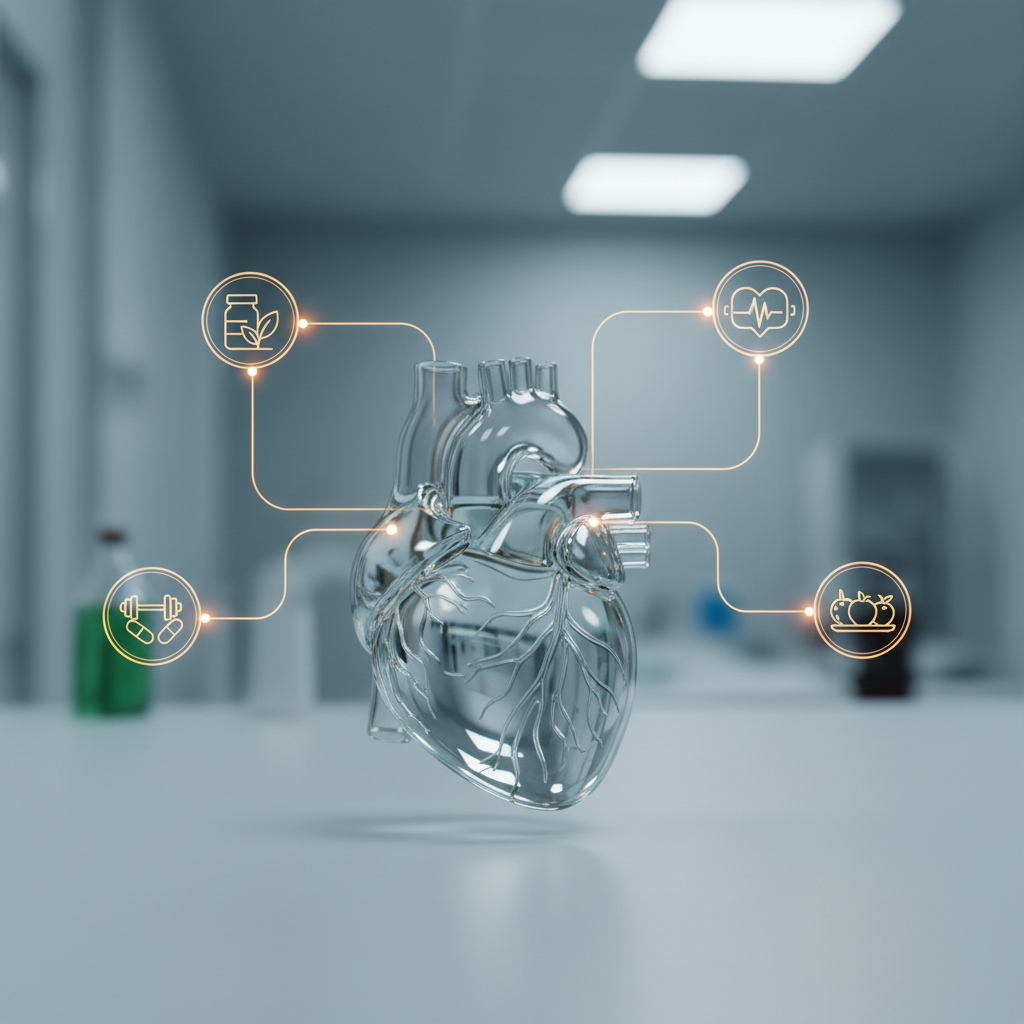
Key Treatment Approaches for Low Ejection Fraction
A diagnosis of low ejection fraction, also known as heart failure with reduced ejection fraction (HFrEF), means the heart's main pumping chamber (the left ventricle) is not squeezing out enough blood with each beat. While this sounds serious, a comprehensive treatment plan can significantly improve symptoms, slow the progression of the condition, and enhance quality of life. Treatment is multifaceted, combining medications, medical devices, surgical procedures, and essential lifestyle changes. The primary goals are to strengthen the heart muscle, reduce the workload on the heart, manage symptoms like shortness of breath and fluid retention, and prevent serious complications.
The specific combination of treatments depends on the underlying cause of the low ejection fraction, the severity of the symptoms, and the patient's overall health. A cardiologist will work closely with the patient to develop a personalized care plan. This plan is often dynamic, with adjustments made over time based on how the patient responds to different therapies. We will explore the main pillars of treatment in detail below.
Medications to Manage Low Ejection Fraction
Medication is the cornerstone of managing low ejection fraction. Several classes of drugs have been proven to improve heart function and long-term outcomes. Patients are often prescribed a combination of these medications.
Angiotensin-Converting Enzyme (ACE) Inhibitors
ACE inhibitors are often one of the first medications prescribed for low ejection fraction. They work by relaxing and widening the blood vessels, which lowers blood pressure and reduces the strain on the heart. By making it easier for the heart to pump blood throughout the body, these drugs can improve symptoms and have been shown to help people with heart failure live longer. Common examples include lisinopril, enalapril, and ramipril.
Angiotensin II Receptor Blockers (ARBs)
ARBs work similarly to ACE inhibitors by relaxing blood vessels and lowering blood pressure. They are typically prescribed for patients who cannot tolerate ACE inhibitors due to side effects, such as a persistent dry cough. ARBs block the action of a chemical called angiotensin II, which narrows blood vessels. By preventing this narrowing, they help decrease the heart's workload. Examples of ARBs include losartan, valsartan, and candesartan.
Angiotensin Receptor-Neprilysin Inhibitors (ARNIs)
This is a newer class of medication that combines an ARB with a neprilysin inhibitor. The neprilysin inhibitor helps the body retain natural substances that widen blood vessels and reduce sodium levels, further easing the burden on the heart. The combination drug, sacubitril/valsartan, has been shown to be more effective than an ACE inhibitor or ARB alone in reducing hospitalizations and improving survival for many patients with HFrEF. It is often used to replace an ACE inhibitor or ARB in a patient's treatment plan.
Beta-Blockers
While it might seem counterintuitive to slow down a weak heart, beta-blockers are a vital part of treatment. They work by blocking the effects of adrenaline, which slows the heart rate and allows the left ventricle to fill more completely with blood between beats. This also lowers blood pressure and can, over time, help remodel the heart muscle, improving its pumping ability. Specific beta-blockers proven effective for heart failure include carvedilol, metoprolol succinate, and bisoprolol.
SGLT2 Inhibitors
Originally developed as diabetes medications, SGLT2 inhibitors have shown remarkable benefits for patients with heart failure, even those without diabetes. These drugs work by causing the kidneys to remove more sugar from the body through urine, but they also have beneficial effects on the heart and blood vessels, leading to reduced hospitalizations and improved outcomes for HFrEF. Examples include dapagliflozin and empagliflozin.
Aldosterone Antagonists
Also known as mineralocorticoid receptor antagonists (MRAs), these medications act as a type of diuretic, or "water pill." They help the body get rid of excess salt and water, which reduces fluid buildup (edema) in the body and lungs. More importantly, they block the effects of a hormone called aldosterone, which can cause scarring of the heart muscle and worsen heart failure over time. Spironolactone and eplerenone are the two main drugs in this class.
Diuretics (Water Pills)
Diuretics are primarily used for symptom relief. They help the kidneys remove excess fluid and sodium from the body, which can reduce swelling in the legs, ankles, and abdomen, as well as relieve shortness of breath caused by fluid in the lungs. While they make patients feel better, they do not have the same long-term survival benefits as the other classes of medications mentioned above. Furosemide and torsemide are common examples.
Medical Devices and Surgical Interventions
When medications and lifestyle changes are not enough, or if there is a high risk of life-threatening heart rhythms, doctors may recommend medical devices or surgical procedures.
Implantable Cardioverter-Defibrillator (ICD)
A low ejection fraction increases the risk of developing a dangerously fast and irregular heartbeat (ventricular tachycardia or fibrillation), which can lead to sudden cardiac arrest. An ICD is a small device, similar to a pacemaker, that is implanted under the skin in the chest. It continuously monitors the heart's rhythm. If it detects a life-threatening arrhythmia, it delivers a controlled electrical shock to restore a normal heartbeat.
Cardiac Resynchronization Therapy (CRT)
In some people with heart failure, the electrical signals that control the heart's contractions become uncoordinated, causing the left and right ventricles to beat out of sync. This inefficiency makes the heart work even harder. A CRT device, also called a biventricular pacemaker, uses wires to pace both ventricles simultaneously, resynchronizing their contractions. This helps the heart pump more efficiently, improving symptoms and overall function. Many CRT devices also include an ICD function (called a CRT-D).
Coronary Artery Bypass Grafting (CABG)
If the low ejection fraction is caused by coronary artery disease (blockages in the heart's arteries), a bypass surgery may be recommended. During a CABG procedure, a surgeon takes a healthy blood vessel from another part of the body (like the leg or chest) and creates a new path for blood to flow around the blocked artery. Restoring blood flow to the heart muscle can improve its function and, in turn, the ejection fraction.
Heart Valve Repair or Replacement
Sometimes, a faulty heart valve (one that is too narrow or leaky) is the cause of the heart's inability to pump effectively. A leaky valve forces the heart to work harder to push blood forward, while a narrow valve restricts blood flow out of the heart. Depending on the specific problem, a surgeon can either repair the existing valve or replace it with an artificial one, which can significantly improve heart function.
Understanding Ejection Fraction: What Do the Numbers Mean?
To fully grasp the treatments, it's helpful to understand what ejection fraction (EF) actually is. Ejection fraction is a measurement, expressed as a percentage, of how much blood the left ventricle pumps out with each contraction. For example, if the left ventricle holds 100 milliliters (mL) of blood before it contracts and pushes out 60 mL, the ejection fraction is 60%.
It's a key indicator of heart health, but it's important to know that a 100% ejection fraction is not normal; the heart always needs to leave some blood in the ventricle for the next beat. The generally accepted ranges are:
- Normal Ejection Fraction: 50% to 70%
- Mildly Reduced Ejection Fraction: 41% to 49%
- Low Ejection Fraction (HFrEF): 40% or less
A low ejection fraction diagnosis means the heart muscle isn't pumping as effectively as it should. This can be due to various reasons, such as damage from a heart attack, long-term high blood pressure, faulty heart valves, or viral infections that weaken the heart muscle (cardiomyopathy). The treatments discussed are all designed to address the consequences of this reduced pumping ability.
Common Questions About Ejection Fraction
Can low ejection fraction be improved?
Yes, for many people, the ejection fraction can be improved. This is one of the primary goals of treatment. The combination of guideline-directed medical therapy (the specific medications mentioned earlier) and lifestyle changes can often strengthen the heart muscle over time, leading to a measurable increase in the EF percentage. In some cases, addressing the underlying cause—such as performing a bypass surgery for blocked arteries or repairing a leaky valve—can lead to a significant recovery of heart function.
However, the degree of improvement varies greatly from person to person. For some, the EF may return to the normal range, while for others, the goal is to stabilize the number and prevent it from getting worse. Consistent adherence to the treatment plan, including taking all medications as prescribed and making necessary lifestyle adjustments, is crucial for achieving the best possible outcome.
What are the common symptoms of a low ejection fraction?
When the heart doesn't pump enough blood to meet the body's needs, several symptoms can arise. These symptoms are collectively known as the signs of heart failure. One of the most common is shortness of breath (dyspnea), which may occur during physical activity or even while lying flat. Another key symptom is fatigue and weakness, as the body's muscles and organs are not receiving enough oxygen-rich blood.
Fluid retention (edema) is also very common. This can cause swelling in the feet, ankles, legs, or abdomen. Rapid weight gain over a few days is often a sign of worsening fluid retention. Other potential symptoms include a persistent cough or wheezing (especially when lying down), a rapid or irregular heartbeat, a reduced ability to exercise, and feeling lightheaded or dizzy.
How is low ejection fraction diagnosed?
The most common and effective way to measure ejection fraction is with an echocardiogram. This is a non-invasive ultrasound of the heart that uses sound waves to create moving pictures of the heart's chambers and valves. It allows the doctor to see how well the heart is squeezing and relaxing, providing a direct measurement of the EF.
Other tests can also provide information about ejection fraction and overall heart health. These may include a cardiac MRI, which offers highly detailed images of the heart muscle; a cardiac catheterization, which can measure pressures inside the heart and check for coronary artery blockages; or a nuclear stress test (MUGA scan), which uses a small amount of radioactive tracer and a special camera to see how well the heart is pumping blood.
Conclusion
Treating a low ejection fraction is a proactive and manageable process. Through a tailored combination of advanced medications, modern medical devices, and impactful lifestyle changes, individuals can effectively manage their symptoms and improve their heart's function. The focus is on reducing the heart's workload, managing fluid levels, and preventing complications. Working closely with a healthcare team to follow a prescribed treatment plan is the most important step toward living a fuller, healthier life despite the diagnosis.
For further reading and information, you can visit these reputable sources: