Exploring Effective Treatment Options for Low Ejection Fraction: What You Need to Know
A diagnosis of low ejection fraction can be overwhelming, but understanding the available treatments is a powerful first step toward improving your heart health. Managing this condition isn't about a single solution, but rather a combination of approaches tailored to your specific needs.
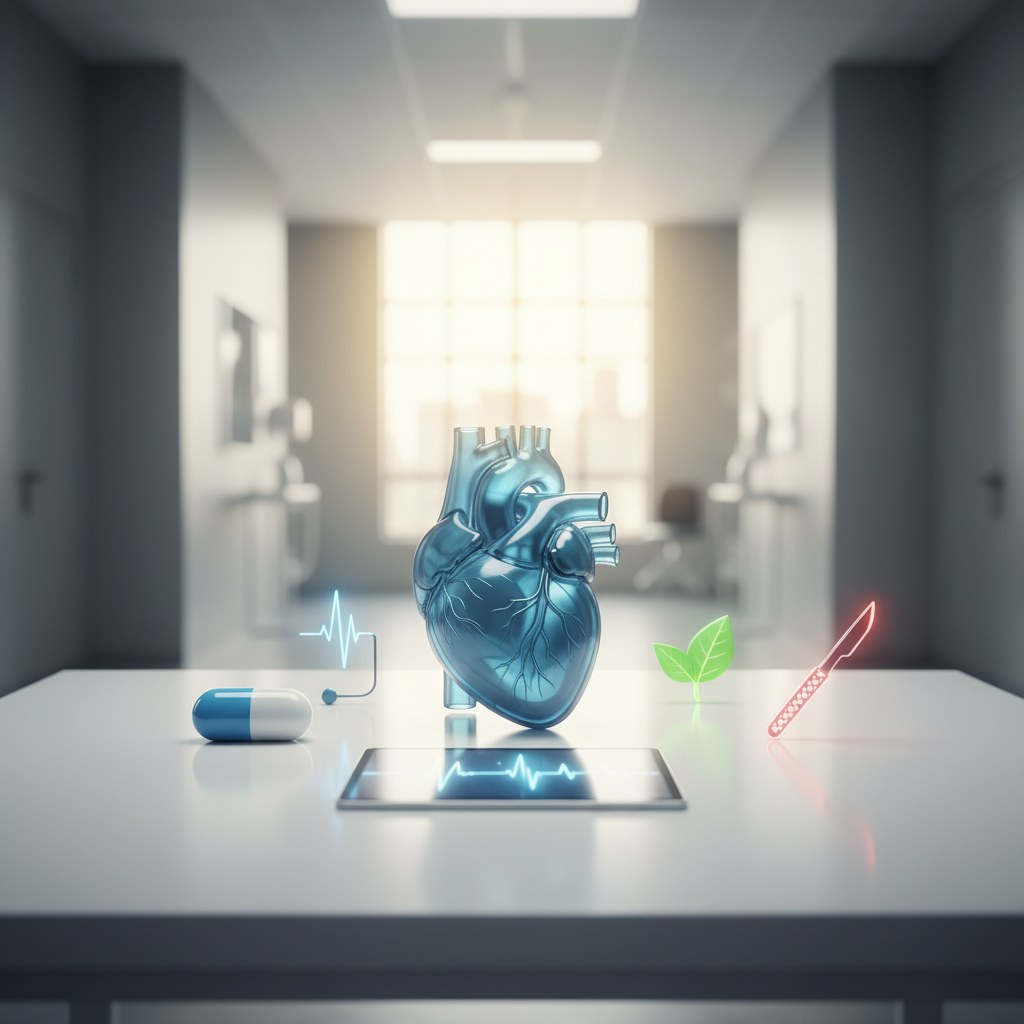
A diagnosis of low ejection fraction (EF) can be concerning, but it's important to understand that numerous effective treatments are available. Ejection fraction is a measurement of how much blood the left ventricle pumps out with each contraction. A low number indicates that the heart isn't pumping as efficiently as it should, which is a key characteristic of heart failure. The primary goals of treatment are to manage symptoms, slow the progression of heart failure, and improve overall quality of life. Treatment strategies are often multi-faceted, combining medications, medical devices, surgical procedures, and crucial lifestyle modifications.
The specific treatment plan is highly individualized and depends on the underlying cause of the low ejection fraction, the severity of symptoms, and the patient's overall health. A cardiologist will work closely with the patient to determine the most appropriate course of action. Below is a detailed overview of the primary treatment categories available for managing this condition.
Medications to Improve Heart Function
Medications are the cornerstone of treatment for low ejection fraction. Several classes of drugs work in different ways to help the heart pump more effectively, reduce its workload, and manage symptoms like fluid retention and shortness of breath.
Beta-Blockers
Initially, it might seem counterintuitive to use a medication that slows the heart rate to treat a weak heart. However, beta-blockers like carvedilol, metoprolol, and bisoprolol have been proven to be highly effective. They work by blocking the effects of adrenaline, which reduces the heart rate and blood pressure. This allows the heart to relax and fill with blood more completely between beats, reducing its overall workload. Over time, this can help the heart muscle recover and improve its pumping function, leading to a better ejection fraction.
ACE Inhibitors, ARBs, and ARNIs
This group of medications helps relax blood vessels, which lowers blood pressure and makes it easier for the heart to pump blood throughout the body. Angiotensin-Converting Enzyme (ACE) inhibitors (e.g., lisinopril, enalapril) and Angiotensin II Receptor Blockers (ARBs) (e.g., losartan, valsartan) are standard first-line treatments. A newer class of drug, called an Angiotensin Receptor-Neprilysin Inhibitor (ARNI), combines an ARB with another drug called sacubitril. This combination, sold under the brand name Entresto, has been shown to be superior to ACE inhibitors alone in reducing hospitalizations and improving survival for many patients with heart failure.
SGLT2 Inhibitors
Originally developed to treat type 2 diabetes, Sodium-Glucose Co-transporter 2 (SGLT2) inhibitors have emerged as a powerful treatment for heart failure, even in people without diabetes. Drugs like dapagliflozin and empagliflozin help the kidneys remove excess sugar, salt, and water from the body. This reduces fluid buildup (congestion) and lowers pressure within the heart, significantly reducing the risk of heart failure-related hospitalizations and improving outcomes.
Diuretics (Water Pills)
Diuretics are primarily used for symptom relief. They help the kidneys remove excess sodium and water from the body, which reduces fluid buildup in the lungs, legs, and abdomen. This can alleviate symptoms like swelling (edema) and shortness of breath. While diuretics make patients feel better, they do not directly improve the heart's pumping ability on their own. They are almost always used in combination with other foundational heart failure medications.
Surgical and Device-Based Therapies
When medications and lifestyle changes are not enough, or if there is a high risk of life-threatening heart rhythms, doctors may recommend implantable devices or surgical procedures.
Implantable Cardioverter-Defibrillator (ICD)
A low ejection fraction increases the risk of dangerous, fast heart rhythms (arrhythmias) that can cause sudden cardiac arrest. An ICD is a small device, similar to a pacemaker, that is implanted under the skin in the chest. It has wires that connect to the heart to continuously monitor its rhythm. If it detects a life-threatening arrhythmia, the ICD delivers a controlled electrical shock to restore a normal heartbeat. It acts as a safety net for patients at high risk.
Cardiac Resynchronization Therapy (CRT)
In some people with heart failure, the electrical signals that control the heart's contractions become uncoordinated. This means the two lower chambers (ventricles) don't pump in sync, further reducing efficiency. Cardiac Resynchronization Therapy, often called biventricular pacing, uses a special type of pacemaker with three wires—one for the right atrium, one for the right ventricle, and one for the left ventricle. By pacing both ventricles simultaneously, a CRT device helps them contract in a more coordinated and efficient manner, which can improve ejection fraction and symptoms.
Left Ventricular Assist Device (LVAD)
For patients with advanced, end-stage heart failure, an LVAD can be a life-saving option. An LVAD is a mechanical pump that is surgically implanted to help the weakened left ventricle pump blood to the rest of the body. It doesn't replace the heart but works alongside it to reduce its workload. An LVAD can be used as a "bridge to transplant," keeping a patient stable while they wait for a donor heart, or as "destination therapy" for those who are not eligible for a transplant.
Heart Transplant
A heart transplant is the definitive treatment for end-stage heart failure. It involves surgically replacing the diseased heart with a healthy donor heart. This option is reserved for patients with very severe heart failure who have not responded to other treatments and who meet strict eligibility criteria. The procedure is complex and requires lifelong follow-up care and immunosuppressant medications to prevent rejection of the new organ.
Understanding Ejection Fraction: What Do the Numbers Mean?
To fully grasp the importance of these treatments, it's helpful to understand what ejection fraction represents. EF is a percentage that tells doctors how well your left ventricle—the heart's main pumping chamber—is functioning. It's calculated during an imaging test, most commonly an echocardiogram.
The percentage is derived by comparing the amount of blood in the ventricle at the end of its relaxation phase (diastole) to the amount of blood pumped out during its contraction phase (systole). A normal ejection fraction typically ranges from 50% to 70%. This means that with each beat, 50% to 70% of the blood in the left ventricle is pushed out into the body. It's important to note that an EF of 100% is not possible, as some blood always remains in the ventricle. A low ejection fraction, often called heart failure with reduced ejection fraction (HFrEF), is generally considered to be 40% or below. An EF between 41% and 49% is considered "mildly reduced."
Common Questions About Low Ejection Fraction
Can a low ejection fraction be improved?
Yes, in many cases, a low ejection fraction can be improved. The potential for improvement largely depends on the underlying cause of the heart muscle weakness and how early the condition is treated. For example, if the low EF is caused by a blocked coronary artery, a procedure like angioplasty or bypass surgery to restore blood flow can lead to significant recovery of heart function.
Similarly, consistent use of guideline-directed medical therapies, such as beta-blockers and ACE inhibitors, can help the heart muscle remodel and strengthen over time, leading to a higher ejection fraction. Lifestyle changes, including a low-sodium diet, regular exercise, and quitting smoking, also play a vital role. While not every patient will see their EF return to the normal range, treatment can almost always improve symptoms, enhance quality of life, and slow the progression of heart failure.
What are the symptoms of a low ejection fraction?
The symptoms of low ejection fraction are the classic signs of heart failure. When the heart can't pump enough oxygen-rich blood to meet the body's needs, various symptoms can arise. One of the most common is shortness of breath, especially with physical activity or when lying down flat. This happens because blood can back up into the vessels of the lungs, causing fluid to leak into the air sacs.
Other frequent symptoms include persistent fatigue and weakness, as muscles aren't receiving adequate blood flow. Swelling (edema) in the legs, ankles, and feet is also common, caused by fluid retention. Some people may experience a rapid or irregular heartbeat, a persistent cough or wheezing with white or pink blood-tinged phlegm, and difficulty concentrating. In the early stages, symptoms may be mild or only noticeable during exertion, but they tend to worsen as the condition progresses.
How is a low ejection fraction diagnosed?
The primary tool for diagnosing a low ejection fraction is an echocardiogram. This non-invasive test uses sound waves to create moving pictures of the heart. It allows doctors to see the size and shape of the heart chambers, how well the valves are working, and most importantly, to measure the ejection fraction directly.
Other tests are often used to determine the underlying cause and severity of the condition. An electrocardiogram (ECG or EKG) can detect abnormal heart rhythms or signs of a past heart attack. A chest X-ray can show if the heart is enlarged or if there is fluid in the lungs. Blood tests, particularly for a hormone called B-type natriuretic peptide (BNP), can help confirm a diagnosis of heart failure. In some cases, a cardiac MRI, nuclear stress test, or cardiac catheterization may be necessary to get a more detailed look at the heart's structure and blood flow.
Conclusion
Treating a low ejection fraction involves a comprehensive and personalized approach. From foundational medications that help the heart work more efficiently to advanced implantable devices and surgical options, there are numerous strategies available to manage the condition. By working closely with a healthcare team, patients can effectively control their symptoms, improve their heart's function, and lead active, fulfilling lives. Adherence to the prescribed treatment plan, coupled with positive lifestyle changes, is the key to achieving the best possible outcomes.
For more detailed medical information, please consult with healthcare professionals or visit reputable sources: