Exploring Effective Treatment Options for Wheezing: A Comprehensive Guide
Discover the best treatment options for wheezing that can help ease discomfort and improve breathing. From medications like bronchodilators to lifestyle changes, various approaches are available to address wheezing effectively.
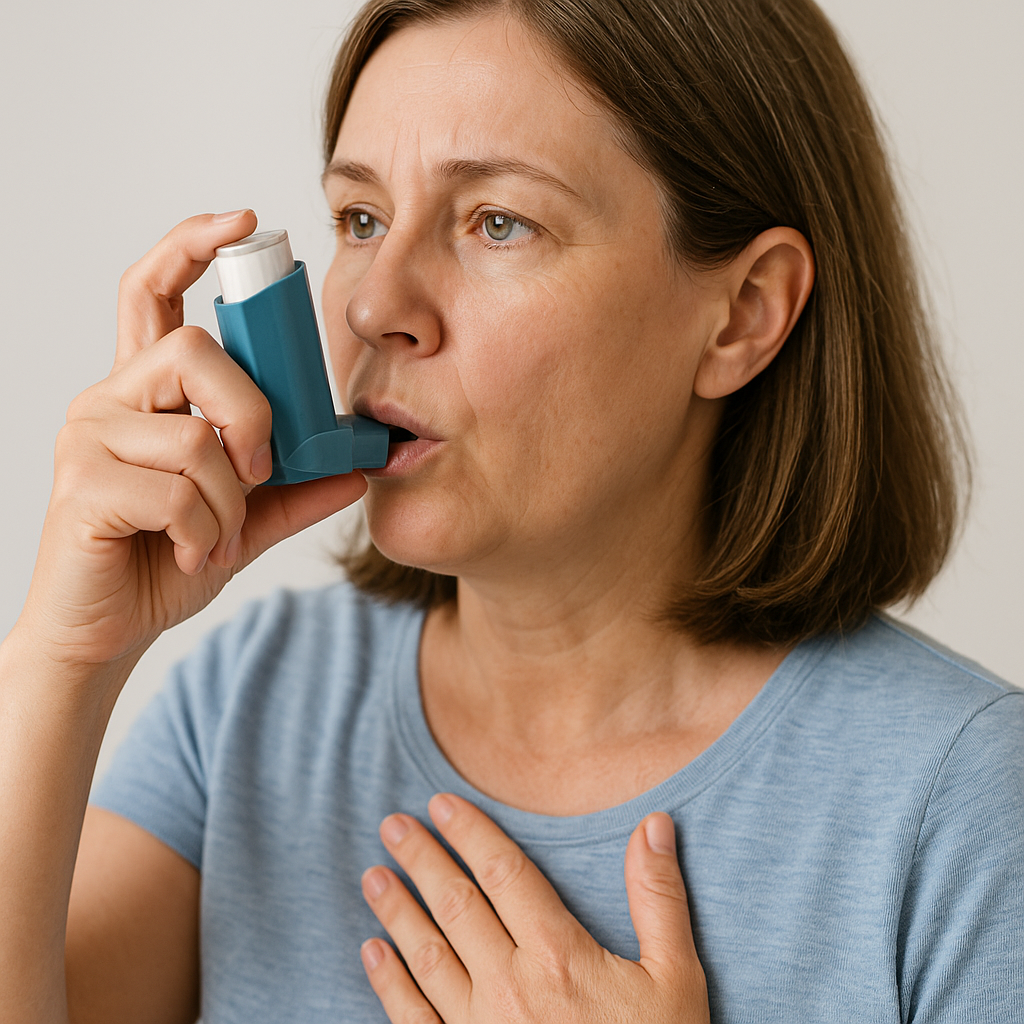
Understanding Wheezing: Causes and Symptoms
Wheezing is a high-pitched whistling sound made while breathing. It is often associated with difficulty breathing and can occur due to a variety of conditions affecting the airways. Understanding the underlying cause of wheezing is essential to determining the best treatment options.
Several causes can lead to wheezing, including asthma, chronic obstructive pulmonary disease (COPD), respiratory infections, and allergies. Additionally, wheezing can occur due to more acute events such as anaphylaxis or a foreign object obstruction.
Common symptoms accompanying wheezing may include shortness of breath, chest tightness, and coughing. The severity of wheezing and associated symptoms can vary based on the underlying condition and its progression.
Identifying the Best Treatment Options for Wheezing
Determining the best treatment for wheezing involves diagnosing the underlying cause and tailoring the approach accordingly. Here, we break down essential treatment options, with recent advancements and guidelines from 2026 in mind.
1. Medication Management
Medications play a pivotal role in managing wheezing, especially for chronic conditions like asthma and COPD. Depending on the cause, different types of medications may be prescribed:
- Bronchodilators: These help relax muscles around the airways, making breathing easier. They are commonly used in inhalers for asthma and COPD.
- Corticosteroids: These medications reduce inflammation and swelling in the airways. They can be taken orally or inhaled.
- Antihistamines: For wheezing caused by allergies, antihistamines can help alleviate symptoms by reducing the body's histamine response.
Recent studies, such as those published in the Journal of Respiratory Health in 2026, indicate that biologic treatments have been increasingly effective for severe eosinophilic asthma, further expanding the arsenal of medical interventions available.
2. Lifestyle and Home Remedies
In addition to prescribed medications, lifestyle modifications and home remedies can greatly influence the management of wheezing:
- Avoiding Triggers: Identifying and avoiding triggers such as smoke, pollen, or dust can minimize wheezing episodes.
- Humidifiers: Maintaining optimal humidity levels with a humidifier can help ease breathing by keeping airways moist.
- Breathing Exercises: Techniques like pursed-lip breathing and diaphragmatic breathing can improve overall lung function.
3. Innovative Treatments and Research
Advances in medical research have opened new avenues for treating wheezing, especially in chronic and complex cases. In 2026, targeted therapies and personalized treatment plans have become more prevalent.
Innovations in precision medicine, highlighted in recent trials from Medical Innovation Today, involve tailoring treatments based on genetic profiles, leading to more effective management strategies for individuals with severe asthma and COPD.
When to Seek Medical Attention
While occasional wheezing may be manageable at home, certain situations necessitate professional medical evaluation:
- If wheezing is accompanied by severe shortness of breath or chest pain.
- If you experience wheezing for the first time, particularly if accompanied by systemic symptoms like fever.
- If current treatments are no longer effective, or wheezing episodes increase in frequency or severity.
Seeking prompt medical intervention can prevent potentially life-threatening complications and provide a more accurate diagnosis.
Collaborative Care and Monitoring
Managing wheezing often requires a collaborative care approach, involving healthcare providers, patients, and support systems. Regular monitoring and check-ups are crucial, especially in chronic conditions, to adjust treatments and manage symptoms effectively.
Tools like digital health monitors and apps, as reviewed by Health Tech Reviews in 2026, can support people in tracking symptoms, medication usage, and environmental triggers, fostering better self-management and facilitating discussions with healthcare providers.