Exploring Funding Options for Senior Bathroom Modifications: What You Need to Know
Discover various programs that may assist with senior bathroom modifications. While many options exist, finding the right one can be key for enhancing accessibility. Explore potential opportunities from nonprofit organizations, government initiatives, and moreeach with unique benefits.
Understanding Senior Bathroom Modification
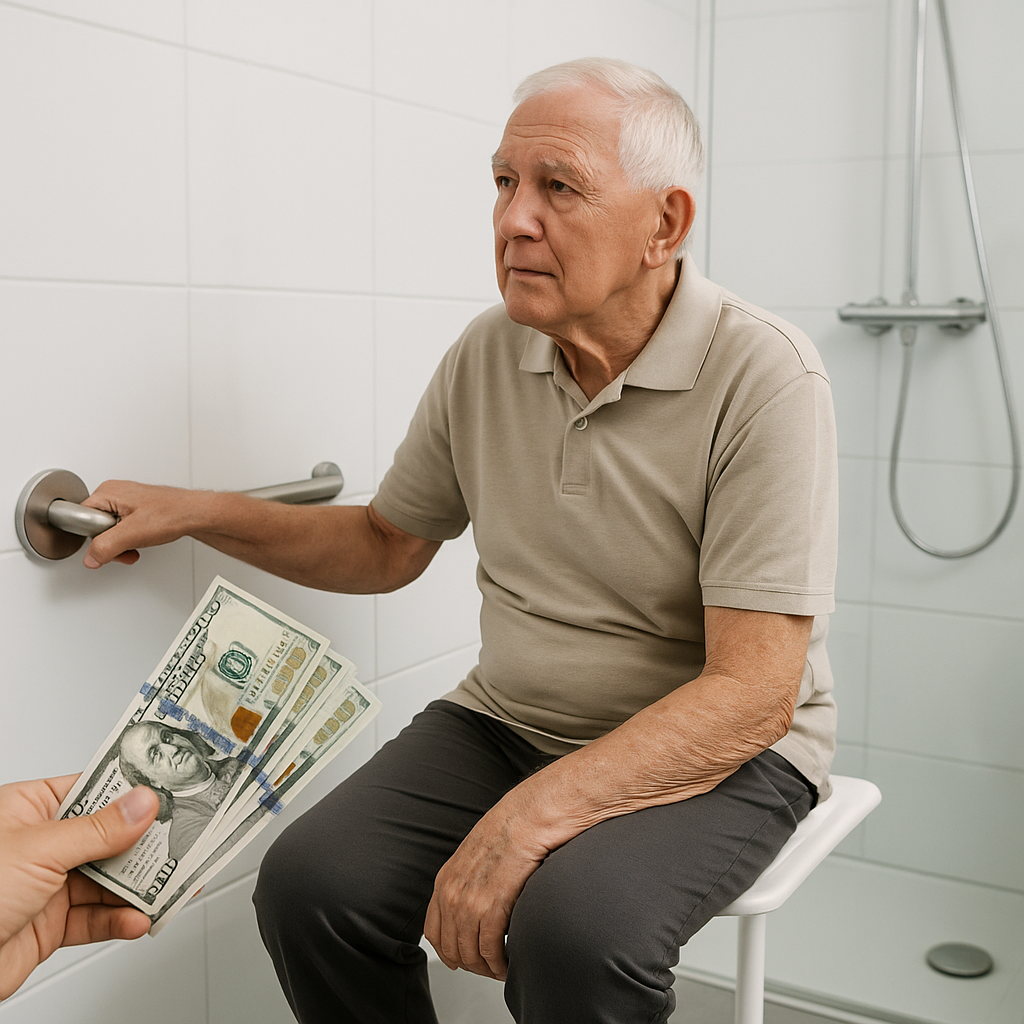
As we age, our physical needs and requirements evolve, making home modifications increasingly important for many seniors. One critical area in the home that often requires modification is the bathroom. These modifications can provide seniors with increased safety and independence, preventing common injuries such as slips and falls. But the key question is, how can these modifications be funded? Fortunately, several programs exist to assist in financing these essential updates.
Which Programs Pay for Senior Bathroom Modifications?
Various programs are available to help seniors pay for bathroom modifications. These range from government-backed initiatives to private grants. Below are key programs and funding options that may be available to seniors or their caregivers looking to adapt a home bathroom.
Medicare and Medicaid
Medicare does not typically cover bathroom modifications as part of its benefits. However, there are exceptions. If you have a Medicare Advantage Plan, also known as Part C, some plans offer benefits that cover certain types of home modifications, including bathroom updates. It is crucial to review your specific plan to understand what is covered.
Medicaid, on the other hand, provides more direct assistance with home modifications through its Home & Community Based Services (HCBS) waivers. These waivers are available in many states and help seniors with low incomes receive care at home rather than in a nursing facility. Eligibility and specific benefits vary by state.
Veterans Affairs (VA) Benefits
Veterans and their families have access to a range of benefits that can aid in home modifications. The VA offers several programs to help disabled veterans make necessary home adjustments:
- Specially Adapted Housing (SAH) Grant: This grant supports veterans with specific service-connected disabilities to construct or modify homes to meet their needs.
- Adapted Housing (SHA) Grant: Similar to the SAH grant, this option assists veterans who have a permanent and total service-connected disability but may cater to less extensive modifications.
- Home Improvements and Structural Alterations (HISA) Grant: This program offers funds for home improvements necessary for treatment or accommodation of a disability.
State Assistance Programs
Many states offer their own assistance programs beyond what federal Medicare or Medicaid might cover. For example, the Illinois Housing Development Authority provides support for home modifications through their Affordable Housing Trust Fund.
States may have area agencies on aging that help connect seniors with programs in their localities, suitable for adaptations including grab bars installation or widening doorways. It's advisable for seniors and caregivers to contact their local agency to explore available options. Eldercare Locator is a practical starting point.
Non-Profit Organizations
Numerous non-profit organizations provide grants or low-interest loans for senior home modifications:
- Rebuilding Together: With a focus on low-income homeowners, this organization offers home repair and modification services through local affiliates.
- Area Agencies on Aging: These agencies facilitate various grants and assistance programs, tailored to the needs of local senior populations.
Private Grants and Financial Loans
Private grants are an excellent resource for those who do not qualify under public programs. Some financial institutions offer loans specially tailored for home improvement, often at reduced interest rates.
It’s important to evaluate offers from credible institutions and preferably engage a financial advisor to choose an option that best suits the needs of the senior involved.
How to Assess Your Modification Needs
Before embarking on the path to securing funding, it’s beneficial to first assess the specific needs of the senior. This can involve consulting with healthcare providers or occupational therapists who can give professional insights into critical modifications that align with the senior’s physical condition.
Common modifications include installing walk-in tubs, adding grab bars, adjusting sink heights, and improving toilet access. This prioritized list can serve as a guideline when applying for grants or other financial assistance.
Conclusion
Funding senior bathroom modifications can be a challenge, but with the array of programs and resources available in 2026, it's more achievable than ever before. By leveraging federal benefits, exploring state programs, and tapping into non-profit and private options, seniors and their families can find the necessary financial support to make their homes safer and more comfortable.
For additional insights, check out AARP's guide on bathroom modifications or consult with a local area agency.