Exploring Genuine Baby Supply Assistance Programs for New Parents
Unearth the secrets to finding the best baby supply assistance programs today! Explore available options designed to ease financial pressures for families seeking essential baby items. Discover how these programs aim to help parents access diapers, formula, and more without breaking the bank.
What Are Baby Supply Assistance Programs?
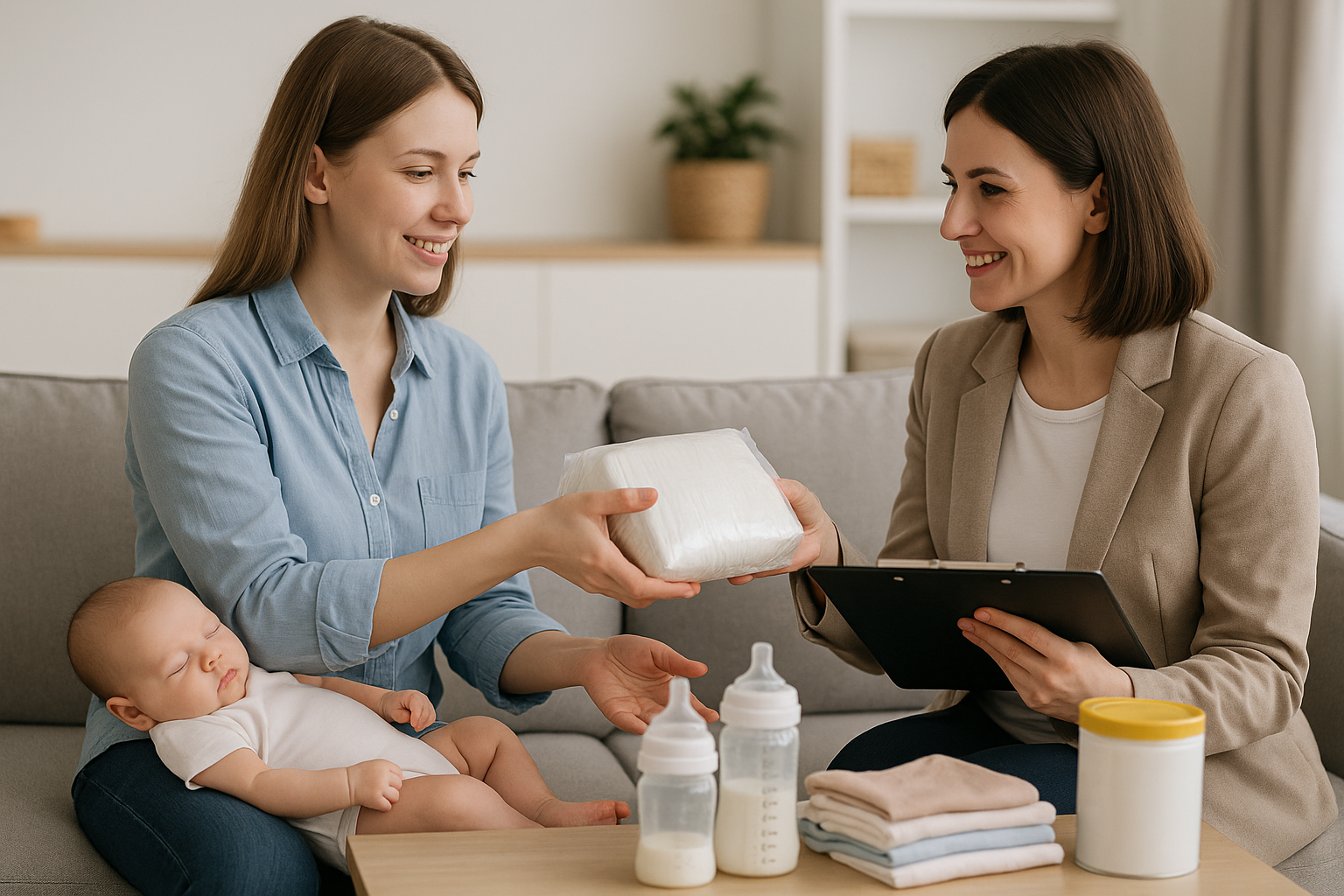
Baby Supply Assistance Programs are initiatives designed to provide essential supplies to families in need. These programs can be run by government agencies, non-profit organizations, or community groups. They aim to offer items such as baby food, diapers, clothing, and sometimes even larger items like cribs and car seats, at little to no cost.
These assistance programs are a critical lifeline for many families, ensuring that infants and toddlers have the basic necessities they require to thrive, particularly when financial resources are limited.
Why Are Baby Supply Assistance Programs Important?
Raising a child can be financially challenging, especially for families with limited incomes or those experiencing financial hardship. According to a 2026 report by the National Diaper Bank Network, one in three families in the United States struggles to afford diapers for their babies. The cost of meeting a baby’s basic needs, from feeding to clothing, can be overwhelming, especially during their first year.
Assistance programs help alleviate these pressures by ensuring that families have access to critical supplies. This not only supports children's health and well-being but also relieves some of the financial stress on parents, allowing them to focus more on their child's development.
How Can One Access Baby Supply Assistance Programs?
Government Programs
The U.S. government offers several programs that indirectly assist with baby supplies through broader assistance initiatives. Programs like the Supplemental Nutrition Assistance Program (SNAP) and Women, Infants, and Children (WIC) provide crucial financial support that can be used towards purchasing baby food and formula.
Non-Profit Organizations
Organizations such as Baby2Baby and The National Diaper Bank Network provide supplies directly to families in need. These organizations partner with local community groups to distribute items effectively. Baby2Baby, for instance, has distributed over 100 million items to families since its inception. Check their websites for local partners and distribution events.
Community-Based Initiatives
Local communities often host drives or have standing programs through churches, shelters, or community centers. These programs may provide supplies on specific days of the week or can be arranged by appointment. A call to local community social services can often guide families to the most accessible options in their vicinity.
What Types of Supplies Are Typically Available?
Baby supply assistance programs offer a range of necessities to aid families:
- Diapers and Wipes: The most commonly requested item, as babies can go through 8-12 diapers per day.
- Formula and Baby Food: Assistance with these items ensures infants have access to nutritious meals.
- Clothing: Includes seasonally appropriate clothes for infants and toddlers.
- Cribs and Car Seats: Larger items are occasionally available, donated by partners or local fundraisers.
Eligibility Criteria for Assistance
While eligibility can vary depending on the specific program, many require proof of the need such as demonstrating income level compared to federal poverty guidelines. Some programs may also require proof of residency and the age of the children in the family. It's advisable to check the specific requirements of each program or organization providing assistance.
Real-World Impacts of Baby Supply Assistance Programs
Programs providing baby supplies have significant, life-changing impacts on families. According to a 2026 survey conducted by Kids Count, families receiving assistance reported a notable reduction in financial stress and improved overall family health and wellness. Many families also highlighted the critical support in times of job loss or unexpected financial crisis.
For example, Liz and her partner Jim, parents in Dayton, Ohio, shared their story in a 2026 local news article. After Jim lost his job, the assistance they received from a local baby supply program allowed them to continue providing essentials for their six-month-old daughter without compromising on other necessities like rent and utilities.
How Can One Support Baby Supply Assistance Programs?
Supporting these programs can be an incredibly rewarding experience. Here are some ways to get involved:
- Financial Donations: Donations help with purchasing supplies and organizing events.
- Item Contributions: Many organizations accept donations of new or gently used baby supplies.
- Volunteering: Events and drives often need volunteers to organize and distribute supplies.
Visit the websites of organizations like Baby2Baby and The National Diaper Bank Network for more details on how to contribute.
Reference Links
https://nationaldiaperbanknetwork.org/get-help-now/