Exploring Government Assistance for Mobility Scooters in the USA: What You Need to Know
Curious about government mobility scooter assistance programs in the USA? Many wonder if these programs are available to help reduce costs. While eligibility and availability can vary, learning the basics is your first step.
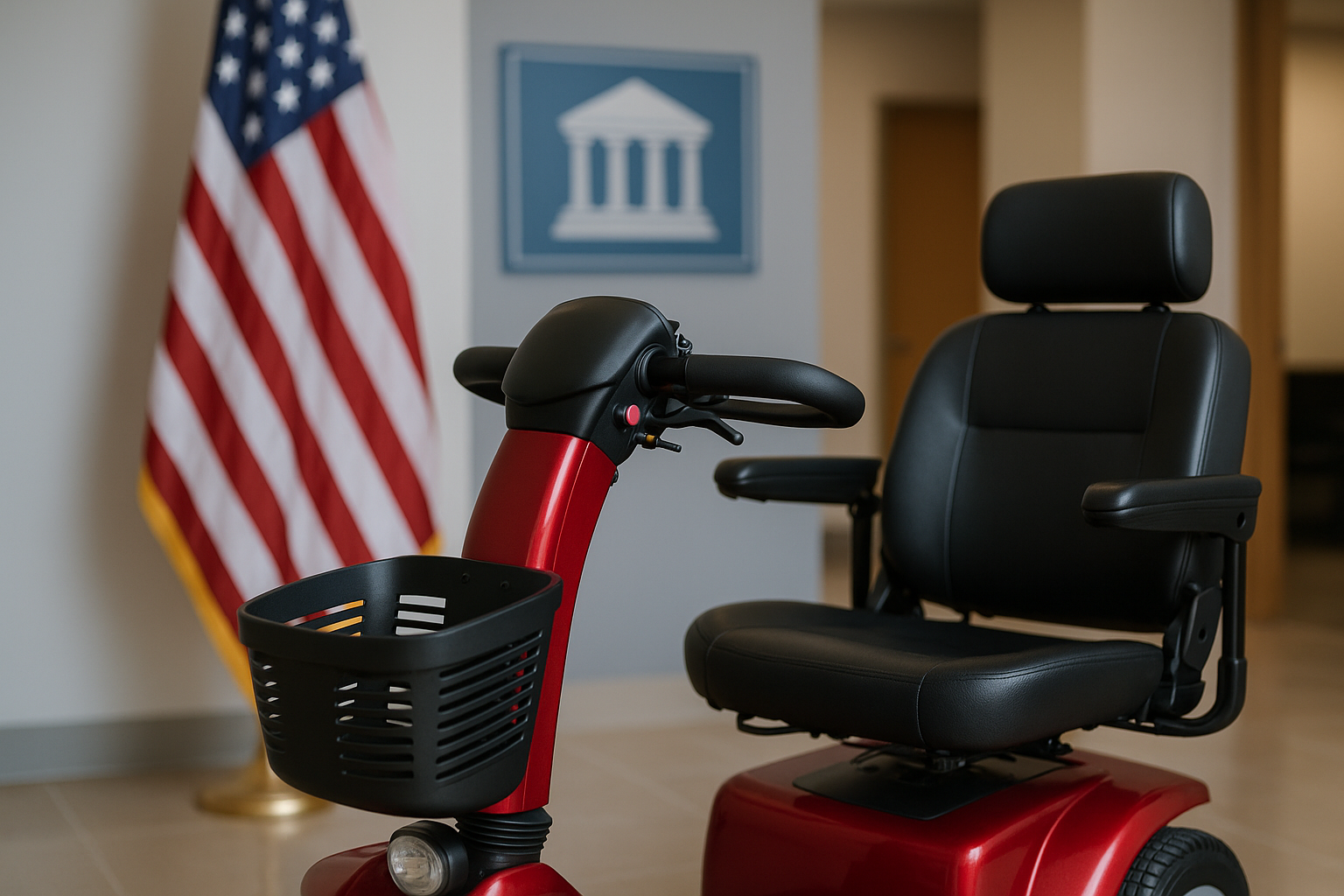
Understanding Government Mobility Scooter Assistance Programs
For individuals with mobility challenges, a mobility scooter can significantly enhance their independence and quality of life. However, these devices can be expensive, and many people may have questions about available financial assistance. In the United States, several government programs and opportunities can help cover the costs of purchasing a mobility scooter.
What Are Government Mobility Scooter Assistance Programs?
Government mobility scooter assistance programs are initiatives designed to help individuals with disabilities afford mobility scooters. These programs may cover full or partial costs and are often intended for those with limited financial resources. Assistance can come from different levels of government, including federal, state, or local programs.
Federal Assistance Programs
The federal government offers several programs that can provide financial assistance for mobility scooters:
Medicare
Medicare is a federal health insurance program primarily for people aged 65 and older, but also for some younger individuals with disabilities. Medicare Part B (Medical Insurance) may cover mobility scooters under Durable Medical Equipment (DME) if the following criteria are met:
- Your doctor submits a written order stating that the scooter is medically necessary for you to function within your home.
- You have a health condition that significantly limits your ability to move around your home.
- You can safely operate the scooter and can transfer onto and off the device independently or with help.
Patients typically cover 20% of the Medicare-approved cost after meeting the Part B deductible.
VA Benefits
If you are a veteran, the Department of Veterans Affairs (VA) offers benefits that may cover the cost of mobility scooters. Qualifying veterans can receive mobility aids if they need them to enhance their living conditions. Each case is reviewed individually.
Medicaid
Medicaid is a state and federal program providing health coverage for low-income individuals. Medicaid benefits and eligibility criteria vary by state. Some states cover the cost of mobility aids like scooters if they are deemed medically necessary. Check with your state’s Medicaid office for specific requirements and coverage details.
State and Local Assistance Programs
Besides federal programs, every state has unique programs and resources. Local departments of health or aging services often have information on mobility assistance resources.
State Medicaid Waivers
Many states offer Home and Community-Based Services (HCBS) Waivers, which are Medicaid programs that extend additional services, including mobility devices. Eligibility criteria and coverage will differ from state to state, and it is vital to consult with your state’s Medicaid office for precise guidelines.
Temporary Assistance Programs
In some states, temporary financial aid programs can provide support for mobility scooters. These programs target specific groups such as seniors or people with disabilities. Again, options and qualifications will vary regionally, and local health or social services departments can provide the best resources.
Local Community Programs
Non-profit organizations or community programs may also offer financial aid or lend mobility scooters to those in need. Organizations like Easter Seals and the American Red Cross may have resources or suggestions. Connecting with local community centers can be another way to find assistance.
Real-World Examples of Mobility Scooter Assistance
In recent years, numerous success stories highlight how individuals have received aid for mobility scooters:
- Example 1: John, a veteran in Illinois, received a mobility scooter through VA benefits after demonstrating his need for enhanced mobility within his home.
- Example 2: Mary, residing in California, successfully got her mobility scooter through Medicare Part B after her healthcare provider confirmed its necessity due to her arthritis.
- Example 3: Susan, a low-income senior living in New York, obtained her scooter through a state Medicaid waiver program focused on assisting seniors with daily home activities.
Conclusion: Taking the Next Steps
If you or a loved one needs a mobility scooter and you’re exploring government assistance, it is important to:
- Consult with healthcare providers to certify the medical need for a mobility device.
- Contact local and state assistance programs to understand eligibility requirements and documentation processes.
- Engage with community organizations for additional support and resources.
Being informed about various assistance opportunities is the first step towards obtaining a mobility scooter, thereby significantly enhancing mobility and independence.
For further guidance on navigating these programs, refer to these sources: Medicare, Medicaid, and the Department of Veterans Affairs.