Exploring How Solar Panels Can Affect Your Home's Market Value in the USA
Does the installation of solar panels increase home value in the USA? Many homeowners are curious about the potential benefits. While studies suggest solar panels can enhance appeal and energy savings, the impact on home value varies by location and market conditions.
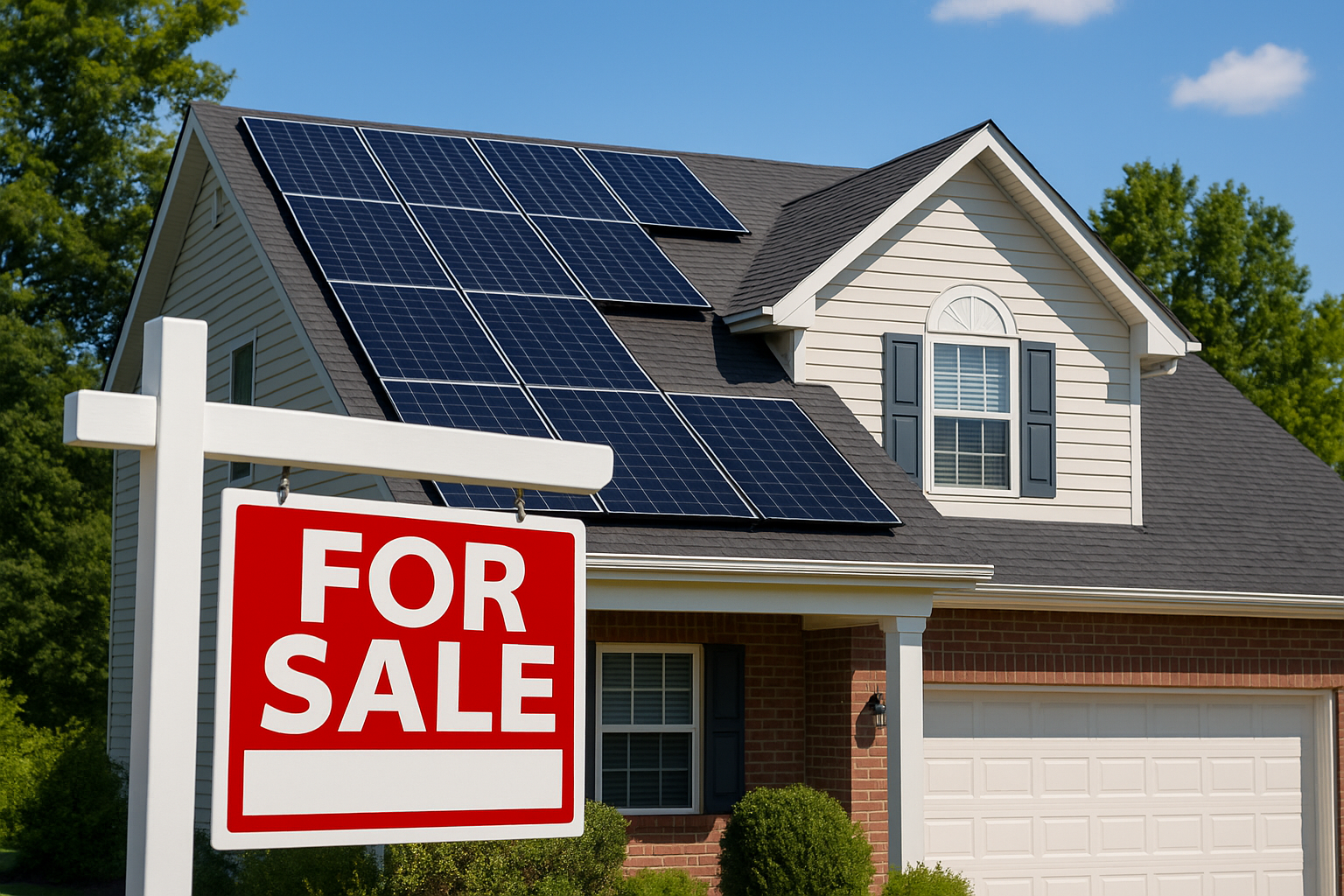
The Impact of Solar Panels on Home Value
As solar energy becomes increasingly popular in the United States, homeowners often wonder, "Do solar panels increase home value in the USA?" With growing awareness about environmental sustainability and energy independence, solar panels are more than just a way to reduce electricity bills; they can also enhance property value. But what are the real effects? Let's explore how solar installations impact home value and what factors you need to consider.
Understanding the Basics: How Solar Panels Add Value
Solar panels can potentially increase the value of your home through a combination of energy savings and increased appeal to eco-conscious buyers. According to a 2026 study by the Lawrence Berkeley National Laboratory, homes with installed solar panels were sold at a premium of around $15,000 more compared to similar homes without solar power (source).
This increment in value is largely due to the energy savings that solar panels provide. Homebuyers are more willing to pay a premium for properties that promise reduced utility costs, particularly in sun-rich regions like California, Arizona, and Florida.
- Energy Savings: Lower electricity bills remain a significant draw for buyers.
- Environmental Benefits: Growing concerns over climate change lead more people to favor homes that leave a smaller carbon footprint.
- Incentives and Rebates: Homeowners can benefit from federal tax credits and state-specific incentives.
Regional Variations in Solar Panel Value Addition
The increase in home value due to solar panels can vary significantly across different regions in the USA. In areas with high electricity rates and an abundance of sunshine, such as California, Nevada, and Texas, the financial benefits are more pronounced.
For example, California homes with solar are found to increase in value by as much as 4%, according to a recent Zillow report (source). On the other hand, areas with lower energy costs and less sunlight exposure might not see as significant an increase in property values.
Factors Affecting the Increase in Home Value
While solar panels can enhance home value, the extent of their impact depends on several factors:
- System Size and Capacity: The potential for a home’s market value to rise is correlated with the capacity and efficiency of its solar system. Larger capacity systems that meet more of a home's energy needs can result in higher value increases.
- Age and Quality of Solar Installation: Newer systems with high-quality panels and installation can contribute more to home value than older setups likely in need of maintenance or replacement.
- Ownership vs. Leasing: Whether the panels are owned outright or leased can affect their contribution to perceived home value. Owned systems often garner more value since there are no liens or lease payments required.
Real-World Examples and Case Studies
Consider a real estate market analysis in Austin, Texas, where the adoption of solar power is rapidly growing. Homes with solar systems sold on average for 5% more than comparable properties without solar. Similarly, in San Diego, California, houses equipped with solar panels sold for approximately $20,000 above the expected market value of similar non-solar homes.
These examples highlight how investing in solar energy not only contributes to a cleaner environment but also delivers tangible financial benefits upon selling a home.
Potential Drawbacks and Considerations
While the advantages of solar panels are significant, potential drawbacks exist that homeowners should consider:
- Initial Cost: The upfront cost for purchasing and installing solar panels can be high, ranging from $15,000 to $25,000.
- Market Preferences: In certain areas, a significant percentage of buyers may not value solar power as much, affecting the potential return on investment.
- Property Aesthetics: Some buyers might prefer the traditional appearance of a roof without panels, influencing their decision.
Conclusion: Maximizing Your Home's Value with Solar Panels
Solar panels have the potential to significantly increase home value in the USA, particularly when investments align with regional preferences and energy policies. To make an informed decision, homeowners should evaluate local market trends, state incentives, and the overall financial implications of solar adoption.
For those considering solar energy, consulting with a local real estate expert or solar installation company can provide additional insights tailored to your specific situation. As the trend toward sustainable living continues, solar panels increasingly represent a sound investment that benefits both the homeowner and the wider community.